 EN
EN


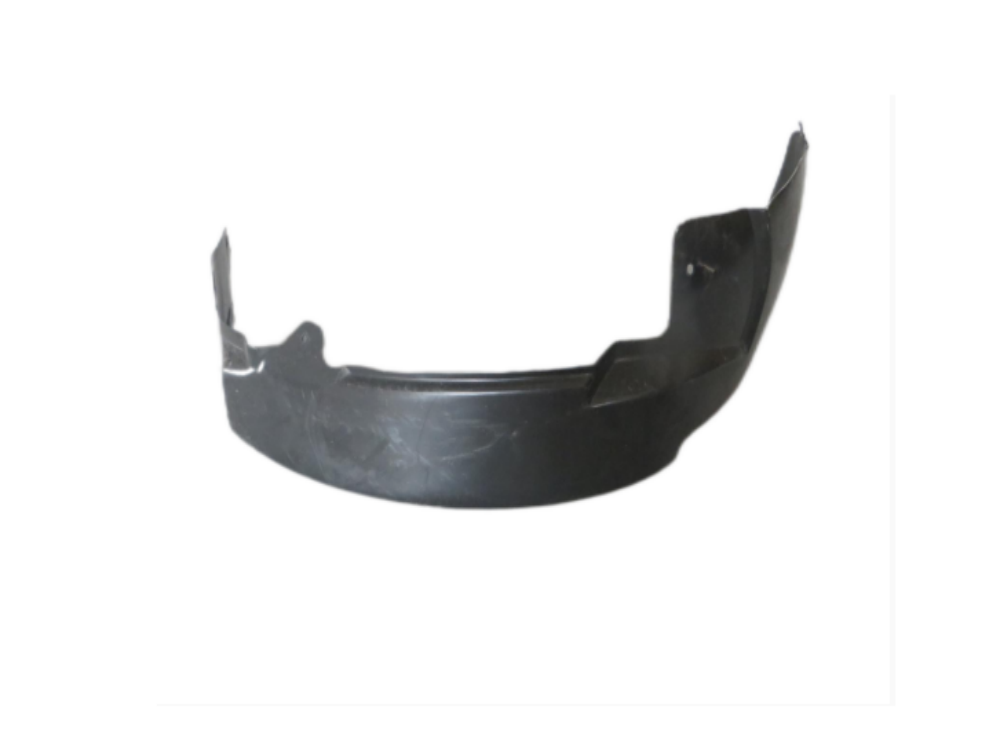
Vehicle safety encompasses numerous components working together to protect drivers, passengers, and pedestrians. Among these critical elements, the car fender serves as a frontline defense against road debris, weather elements, and potential collision damage. Understanding the importance of quality fender construction and maintenance can significantly impact your vehicle's overall safety performance and longevity. Modern automotive engineering has elevated fender design beyond mere aesthetic appeal, transforming these components into sophisticated safety features that deserve careful consideration during vehicle maintenance and repair decisions.
Understanding Fender Function in Vehicle Safety Systems
Primary Protection Against Road Hazards
The car fender acts as your vehicle's first line of defense against various road hazards that could otherwise cause significant damage to critical components. Flying rocks, gravel, and debris kicked up by other vehicles pose constant threats to your engine bay, suspension components, and electrical systems. A well-constructed fender deflects these projectiles away from vulnerable areas, preventing costly repairs and potential safety failures. The protective barrier extends beyond simple deflection, as quality fenders also channel airflow around the wheel wells to reduce turbulence and improve aerodynamic stability.
Road salt, mud, and moisture represent additional challenges that quality fenders address effectively. These corrosive elements can penetrate sensitive areas and accelerate rust formation on critical structural components. Premium fender materials and construction techniques create sealed barriers that prevent moisture infiltration while allowing proper drainage of accumulated water. This protection becomes especially important during winter months when salt exposure increases dramatically, potentially compromising vehicle integrity over time.
Impact Absorption and Energy Distribution
Modern fender design incorporates advanced impact absorption principles that help distribute collision forces across broader surface areas. During minor impacts, a quality fender can absorb and redirect energy away from passenger compartments and critical safety systems. This energy distribution reduces the likelihood of damage transmission to frame components, suspension systems, and steering mechanisms that directly affect vehicle control and occupant protection. The strategic placement and construction of fenders creates progressive deformation zones that manage impact forces more effectively than rigid alternatives.
Advanced materials used in premium fender construction provide optimal balance between flexibility and strength. These materials allow controlled deformation during impacts while maintaining structural integrity under normal operating conditions. The engineered flexibility prevents brittle fractures that could create sharp edges or loose debris during accidents, reducing injury risks to pedestrians and emergency responders who might encounter damaged vehicles.
Material Quality and Construction Standards
Advanced Composite Materials
Contemporary car fender manufacturing utilizes sophisticated composite materials that offer superior performance compared to traditional steel alternatives. These advanced materials provide enhanced corrosion resistance, reduced weight, and improved impact characteristics while maintaining the structural integrity necessary for effective protection. Carbon fiber reinforced plastics and engineered thermoplastics represent cutting-edge options that deliver exceptional strength-to-weight ratios, contributing to improved fuel efficiency and handling characteristics.
The selection of appropriate materials directly impacts long-term durability and maintenance requirements. High-quality composites resist UV degradation, temperature fluctuations, and chemical exposure that can compromise inferior materials over time. These characteristics ensure consistent performance throughout the vehicle's operational life, maintaining safety standards and aesthetic appearance without frequent replacement or repair interventions. Premium materials also facilitate easier repairs when damage does occur, often allowing localized fixes rather than complete component replacement.
Manufacturing Precision and Quality Control
Precision manufacturing processes ensure proper fitment and alignment that directly affect safety performance. Computer-controlled production techniques create consistent dimensions and tolerances that guarantee proper integration with other vehicle systems. Accurate mounting points and alignment specifications prevent stress concentrations that could lead to premature failure or compromised protection capabilities. Quality control measures throughout the manufacturing process verify that each component meets stringent safety and performance standards before installation.
Surface treatments and finishing processes applied during manufacturing provide additional protection against environmental degradation. Advanced coating systems create barriers against moisture, chemicals, and UV radiation that could otherwise compromise material properties over time. These protective treatments extend service life while maintaining the appearance and functionality that contribute to overall vehicle safety and value retention.
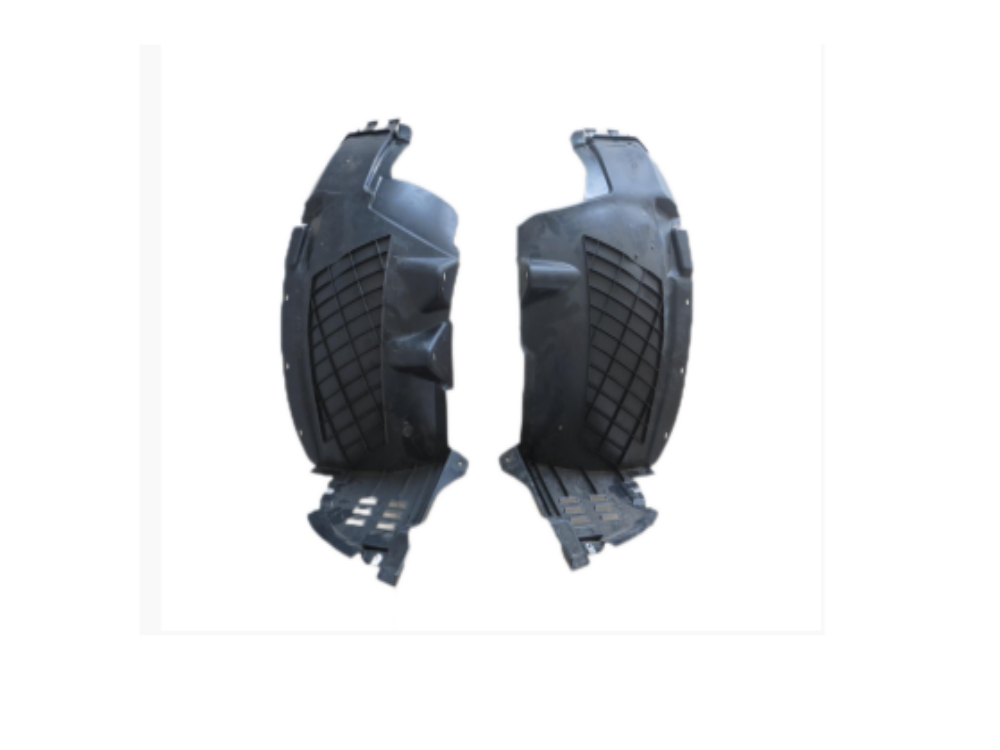
Installation and Maintenance Considerations
Professional Installation Requirements
Proper installation of replacement fenders requires specialized knowledge and equipment to ensure optimal safety performance. Professional technicians understand the critical alignment specifications and torque requirements that guarantee secure mounting and proper integration with adjacent components. Incorrect installation can create stress points, gaps, or misalignments that compromise protective capabilities and potentially create new safety hazards. Certified installation procedures also ensure compliance with manufacturer specifications and warranty requirements.
The installation process involves careful attention to mounting hardware, gaskets, and sealing elements that prevent water infiltration and maintain structural integrity. Professional installers possess the tools and expertise necessary to achieve proper fitment while avoiding damage to surrounding components during the replacement process. This expertise becomes particularly important when working with advanced materials or integrated sensor systems that require specific handling procedures to prevent damage or malfunction.
Regular Inspection and Maintenance Protocols
Routine inspection of fender condition helps identify potential safety issues before they develop into serious problems. Visual examination should focus on detecting cracks, loose mounting points, or signs of corrosion that could compromise protective capabilities. Regular cleaning removes accumulated debris and corrosive materials that could accelerate deterioration or interfere with proper drainage systems built into fender designs.
Maintenance schedules should include periodic checks of mounting hardware and associated components to ensure continued security and proper alignment. Loose or damaged fasteners can allow excessive movement that creates stress concentrations and accelerates wear patterns. Professional inspection services can identify subtle issues that might not be apparent during casual examination, providing early intervention opportunities that prevent more extensive damage or safety compromises.
Impact on Vehicle Performance and Handling
Aerodynamic Contributions
Quality fender design significantly influences vehicle aerodynamics and stability at highway speeds. Properly shaped and positioned fenders guide airflow around wheel wells and reduce turbulence that can affect fuel efficiency and handling characteristics. The smooth integration of fender profiles with body panels creates laminar flow patterns that minimize drag while providing adequate cooling for brake components and suspension systems housed within wheel wells.
Aerodynamic optimization through quality fender design contributes to improved vehicle stability during crosswind conditions and high-speed operation. Reduced air turbulence around wheel wells decreases lift forces and side forces that can affect steering precision and straight-line tracking. These benefits become particularly important for larger vehicles or those operating in challenging weather conditions where aerodynamic stability directly impacts safety margins.
Weight Distribution and Balance
Modern lightweight fender materials contribute to optimal weight distribution that enhances handling characteristics and fuel efficiency. Reduced unsprung weight in the fender area allows suspension systems to respond more effectively to road surface irregularities, improving tire contact and overall vehicle control. The weight savings achieved through advanced materials can be strategically redistributed to lower vehicle positions, improving center of gravity and stability characteristics.
Proper weight balance also reduces stress on suspension mounting points and frame components, extending service life and maintaining safety margins throughout the vehicle's operational period. The cumulative effect of lightweight components like quality fenders contributes to improved acceleration, braking performance, and fuel economy while maintaining the structural integrity necessary for effective protection and safety.
Economic Benefits of Quality Fender Investment
Long-Term Cost Effectiveness
Investing in high-quality fenders provides significant long-term economic advantages through reduced maintenance costs and extended service intervals. Premium materials and construction techniques resist environmental degradation more effectively than budget alternatives, maintaining protective capabilities and appearance over extended periods. The reduced need for frequent replacements or repairs translates into lower total ownership costs and fewer service interruptions that could compromise safety or convenience.
Quality fenders also protect expensive components located behind them, preventing damage that could result in costly repairs to engine components, electrical systems, or suspension elements. The protective value provided by premium fenders often exceeds their initial cost through prevention of more expensive damage to critical vehicle systems. This protection becomes particularly valuable for vehicles operating in harsh environments where exposure to corrosive elements or debris presents ongoing threats to component integrity.
Insurance and Resale Value Considerations
Vehicles equipped with quality car fender components often qualify for reduced insurance premiums due to improved safety ratings and lower claim frequencies. Insurance providers recognize the protective value of quality components and may offer discounts for vehicles that demonstrate superior safety equipment and maintenance standards. These premium reductions can offset initial investment costs while providing ongoing financial benefits throughout the policy period.
Resale value benefits from quality fender installation include improved appearance retention, reduced visible wear, and demonstrated commitment to proper maintenance. Prospective buyers recognize the value of vehicles equipped with premium components and proper maintenance history, leading to higher resale prices and faster sales transactions. The investment in quality fenders contributes to overall vehicle condition that appeals to discriminating buyers seeking reliable, well-maintained vehicles.
FAQ
How often should car fenders be inspected for safety issues
Car fenders should be visually inspected monthly for signs of damage, loose mounting points, or corrosion issues. Professional inspection during routine maintenance services every six months provides more thorough evaluation of structural integrity and mounting security. Immediate inspection is recommended after any impact, severe weather exposure, or when unusual noises or vibrations suggest potential fender problems.
What are the signs that indicate fender replacement is necessary
Key indicators for fender replacement include visible cracks or holes, loose or damaged mounting points, significant rust or corrosion, and misalignment with adjacent body panels. Excessive flexibility or movement when pressure is applied suggests structural compromise requiring immediate attention. Professional evaluation is recommended when any of these conditions are observed to determine repair feasibility versus replacement necessity.
Can damaged fenders affect other vehicle safety systems
Yes, damaged fenders can compromise multiple safety systems by allowing debris to reach critical components, creating aerodynamic instability, or interfering with proper wheel alignment. Structural damage may transmit stress to suspension mounting points or frame components, affecting handling and steering precision. Moisture infiltration through damaged fenders can also compromise electrical systems and accelerate corrosion of safety-critical components.
What should I consider when selecting replacement fenders
Priority considerations include material quality, manufacturer reputation, fitment precision, and compliance with original equipment specifications. Verify that replacement fenders meet or exceed original safety standards and include necessary mounting hardware and installation instructions. Consider long-term durability, warranty coverage, and compatibility with existing vehicle systems when making selection decisions for optimal safety and performance outcomes.