 EN
EN


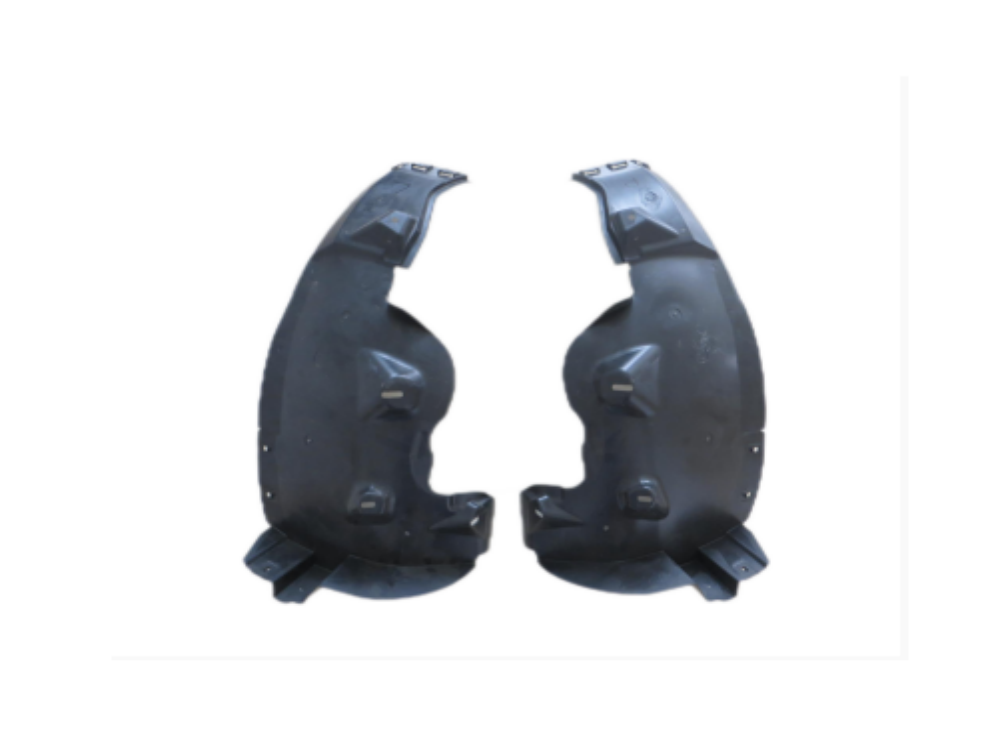
Off-road enthusiasts understand that rugged terrain demands exceptional vehicle protection, and car fenders serve as the first line of defense against rocks, debris, and harsh environmental conditions. These essential automotive components shield critical vehicle systems while maintaining structural integrity during challenging drives through mud, sand, and rocky landscapes. Professional off-road drivers and weekend adventurers alike recognize that investing in high-quality car fenders significantly extends vehicle lifespan and reduces costly repair bills.
Modern off-road vehicles face unprecedented challenges as drivers push boundaries on increasingly difficult trails and challenging terrains. The automotive aftermarket has responded with innovative fender designs that combine lightweight materials with superior impact resistance. Advanced manufacturing techniques now produce fenders that withstand extreme temperature fluctuations, corrosive saltwater exposure, and repetitive impact stress without compromising performance or aesthetic appeal.
Essential Features of High-Performance Off-Road Fenders
Material Composition and Durability Standards
Premium off-road car fenders utilize advanced polymer blends and reinforced composites that deliver exceptional strength-to-weight ratios. These materials resist cracking under extreme temperature variations while maintaining flexibility during high-impact encounters with trail obstacles. Manufacturers employ injection molding processes that create seamless construction, eliminating weak points commonly found in welded or bonded assemblies.
Quality fenders incorporate UV-resistant additives that prevent color fading and material degradation during prolonged sun exposure. This protection proves particularly valuable for vehicles frequently used in desert environments where intense solar radiation can compromise inferior materials within months of installation. Professional-grade fenders also feature chemical resistance properties that protect against fuel spills, cleaning solvents, and road salt exposure.
Aerodynamic Design Considerations
Modern car fenders incorporate computational fluid dynamics principles to minimize drag coefficient while maximizing protective coverage. Engineers design fender profiles that channel airflow efficiently around wheel wells, reducing turbulence that can impact fuel economy and high-speed stability. Strategic air venting locations help dissipate heat generated by brake systems during demanding off-road descents.
Advanced fender designs integrate seamlessly with vehicle body lines, maintaining factory appearance while providing enhanced protection capabilities. This aesthetic consideration has become increasingly important as off-road vehicles serve dual purposes as daily drivers and weekend adventure machines. Manufacturers now offer color-matched options and textured finishes that complement original equipment manufacturer styling themes.
Installation Techniques for Maximum Protection
Professional Mounting Systems
Proper fender installation requires understanding vehicle-specific mounting points and load distribution principles. Professional installers utilize reinforcement plates and backing washers to prevent stress concentration around mounting holes, particularly important for vehicles subjected to severe off-road conditions. Torque specifications must be followed precisely to ensure secure attachment without over-tightening that could crack mounting tabs or distort fender shapes.
High-quality installation hardware incorporates corrosion-resistant coatings and locking mechanisms that prevent loosening due to vibration and thermal cycling. Stainless steel fasteners provide superior longevity compared to standard zinc-plated alternatives, particularly in marine environments where salt spray accelerates corrosion processes. Thread-locking compounds ensure connections remain secure throughout the vehicle's service life.
Clearance and Compatibility Verification
Successful fender installation requires careful measurement of tire clearances, suspension travel limits, and steering lock positions. Experienced technicians verify adequate clearance at full suspension compression and maximum steering angles to prevent interference that could damage tires or compromise vehicle handling. Computer-aided design tools help visualize potential interference points before final installation.
Compatibility verification extends beyond physical fitment to include electrical system integration for vehicles equipped with fender-mounted lighting or sensor systems. Modern fenders may incorporate provisions for side marker lights, turn signals, or proximity sensors that require proper electrical connections and weatherproof sealing. Professional installation ensures these systems function correctly while maintaining vehicle safety standards.
Performance Benefits in Challenging Environments
Protection Against Environmental Hazards
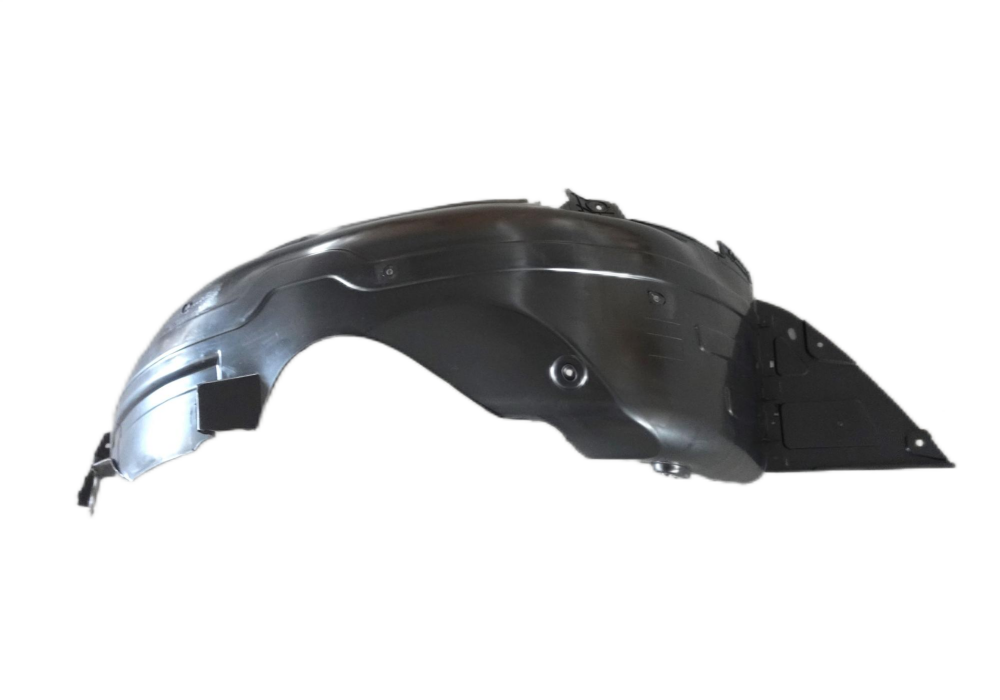
Quality car fenders provide comprehensive protection against flying debris, preventing costly damage to vehicle paint, headlights, and body panels. Rock impacts that would normally cause significant damage are deflected harmlessly away from critical vehicle components. This protection proves invaluable during high-speed trail riding where debris ejection from other vehicles creates constant hazard exposure.
Water crossing capabilities improve significantly with proper fender coverage that prevents splash-back into engine compartments and electrical systems. Well-designed fenders create protective barriers that keep moisture away from sensitive components while allowing necessary ventilation for cooling systems. This dual function becomes critical during extended off-road expeditions where mechanical reliability determines trip success.
Enhanced Vehicle Stability and Control
Aerodynamically optimized fenders contribute to improved vehicle stability by managing airflow patterns around rotating wheels and suspension components. Reduced turbulence enhances predictable handling characteristics, particularly important during high-speed desert running where crosswind sensitivity can affect driver confidence. Strategic venting locations help equalize pressure differentials that might otherwise create unwanted lifting forces.
Professional-grade fenders incorporate design features that reduce mud and debris accumulation around wheel wells, maintaining consistent handling characteristics regardless of trail conditions. Clean wheel wells allow suspension components to operate freely without interference from packed debris that can alter geometry and reduce articulation capabilities. This operational advantage becomes particularly noticeable during technical rock crawling where maximum suspension travel is essential.
Maintenance and Longevity Strategies
Regular Inspection Protocols
Effective fender maintenance begins with systematic visual inspections that identify potential issues before they compromise protection capabilities. Experienced off-road enthusiasts examine mounting hardware for signs of loosening, corrosion, or stress cracking that could lead to component failure. Weekly inspections during active trail seasons help identify problems early when repairs are simple and inexpensive.
Documentation of inspection findings creates valuable maintenance records that help predict component replacement schedules and identify patterns of wear or damage. Digital photography provides detailed records of fender condition over time, enabling proactive replacement decisions that prevent unexpected failures during remote expeditions. Professional maintenance logs also support warranty claims when manufacturer defects become apparent.
Cleaning and Preservation Methods
Proper cleaning techniques remove corrosive substances while preserving fender surface integrity and appearance. High-pressure washing systems effectively remove packed mud and debris without damaging delicate surface textures or mounting hardware. Specialized cleaning products designed for automotive plastics help maintain color stability and prevent premature aging from UV exposure and chemical contamination.
Protective treatments including UV-resistant coatings and plastic conditioners extend service life significantly beyond untreated components. These treatments penetrate surface layers to restore flexibility and prevent cracking that commonly occurs after extended exposure to temperature extremes. Regular application schedules based on usage intensity help maintain optimal protection capabilities throughout the fender's service life.
FAQ
How often should car fenders be replaced on off-road vehicles
Replacement frequency depends on usage intensity and environmental conditions, but most off-road fenders require replacement every 3-5 years under normal recreational use. Vehicles used for competitive racing or extreme expedition travel may need replacement annually due to increased impact exposure and stress loading. Regular inspections help identify when replacement becomes necessary based on actual condition rather than arbitrary time intervals.
What materials provide the best durability for off-road applications
Advanced polymer composites reinforced with glass fibers offer the optimal balance of impact resistance, weight reduction, and environmental durability. These materials outperform traditional fiberglass construction while remaining more cost-effective than carbon fiber alternatives. Professional-grade thermoplastics with UV stabilizers provide excellent longevity in harsh environmental conditions.
Can aftermarket fenders improve fuel economy compared to stock units
Aerodynamically optimized aftermarket fenders can provide modest fuel economy improvements through reduced drag coefficients and improved airflow management. The improvement typically ranges from 1-3% under highway driving conditions, with greater benefits realized at higher speeds. However, the primary benefit remains enhanced protection rather than fuel savings.
Are professional installation services necessary for fender replacement
While mechanically inclined enthusiasts can successfully install fenders using proper tools and procedures, professional installation ensures optimal fitment and warranty compliance. Complex vehicles with integrated electrical systems or specialized mounting requirements benefit significantly from professional expertise. Professional installation also provides access to specialized tools and materials that ensure long-term reliability.