 EN
EN


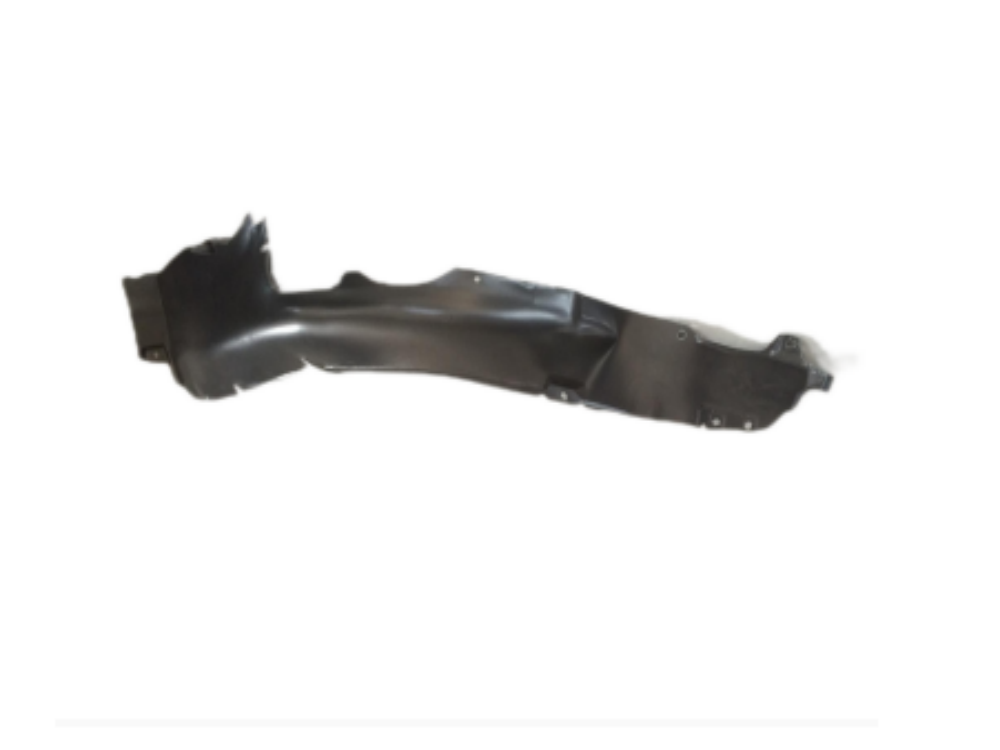
The relationship between automotive design and aerodynamic efficiency has become increasingly important in modern vehicle manufacturing. While most drivers focus on engine performance and fuel economy, the role of body panels in airflow management often goes unnoticed. A car fender serves multiple purposes beyond protection, including significant contributions to a vehicle's aerodynamic profile and overall performance characteristics.
Understanding how external body components influence air resistance requires examining the complex physics of automotive aerodynamics. Modern engineering approaches prioritize smooth airflow transitions and minimal turbulence creation, making every panel design decision critical for optimal performance. The strategic positioning and contouring of fender assemblies can dramatically impact fuel efficiency, handling stability, and overall driving dynamics.
Aerodynamic Principles in Automotive Design
Fundamental Airflow Dynamics
Aerodynamic efficiency in automobiles relies on managing three primary forces: drag, lift, and side forces. When air encounters a moving vehicle, it must flow around and over various surfaces, creating pressure differentials that affect performance. The front portion of any vehicle, including fender assemblies, plays a crucial role in establishing initial airflow patterns that influence the entire downstream air management system.
Coefficient of drag represents the primary measurement for aerodynamic efficiency, with lower values indicating better performance. Modern passenger vehicles typically achieve drag coefficients between 0.25 and 0.35, while older designs often exceeded 0.40. Strategic body panel design, including optimized fender geometry, contributes significantly to achieving these improved figures through careful attention to surface transitions and air guidance systems.
Pressure Distribution and Surface Interactions
Air pressure variations around vehicle surfaces create the forces that determine aerodynamic behavior. High-pressure zones typically form at the front of vehicles, while low-pressure areas develop behind obstacles and in separated flow regions. Fender design must balance protection requirements with smooth pressure transitions to minimize energy losses and maintain stable airflow attachment throughout the vehicle's surface.
Surface roughness, panel gaps, and geometric discontinuities can trigger boundary layer separation, leading to increased drag and reduced efficiency. Professional automotive engineers utilize computational fluid dynamics modeling to optimize these interactions, ensuring that each body panel contributes positively to overall aerodynamic performance while meeting safety and manufacturing constraints.
Fender Design Impact on Vehicle Performance
Wheel Well Aerodynamics
The wheel well area represents one of the most aerodynamically challenging regions of any vehicle design. Rotating wheels create significant turbulence and drag, while the open wheel well cavity can trap air and create additional resistance. A properly designed car fender helps manage airflow around these problematic areas through strategic shaping and integrated air management features.
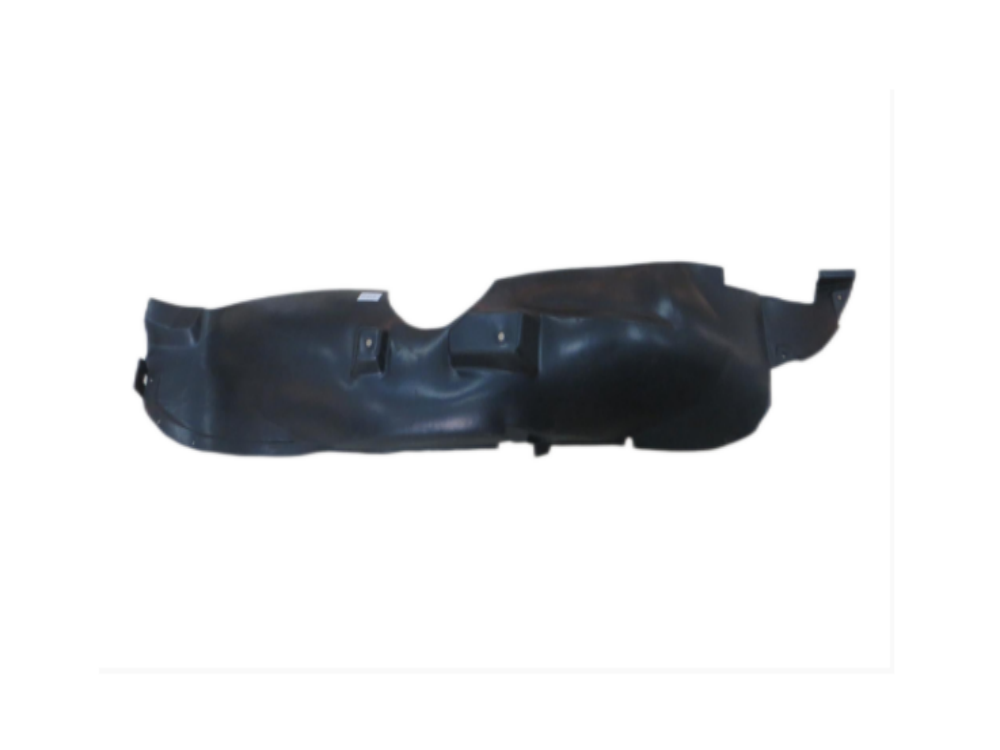
Inner fender liners and wheel arch extensions serve dual purposes of protection and aerodynamic optimization. These components can redirect airflow away from rotating components while smoothing the transition between the main body surface and wheel assembly. Advanced designs incorporate venting systems that allow trapped air to escape in controlled directions, reducing pressure buildup and associated drag penalties.
Front End Integration
Front fender assemblies must integrate seamlessly with bumper systems, headlight housings, and grille assemblies to maintain smooth airflow transitions. Gaps between components can create whistling noises, increased drag, and unpredictable handling characteristics at higher speeds. Manufacturing precision and design coordination ensure that these critical junctions maintain aerodynamic integrity throughout the vehicle's service life.
Modern automotive design increasingly emphasizes active aerodynamic systems that can adapt to driving conditions. Some advanced vehicles incorporate adjustable front splitters, active grille shutters, and variable geometry fender extensions that optimize airflow for different speed ranges and driving scenarios. These technologies demonstrate the growing importance of aerodynamic considerations in contemporary vehicle development.
Material Selection and Manufacturing Considerations
Surface Finish Requirements
The surface quality of fender assemblies directly impacts aerodynamic performance through its effect on boundary layer behavior. Smooth, consistent finishes promote laminar flow attachment, while rough or inconsistent surfaces can trigger premature flow separation. Manufacturing processes must maintain tight tolerances on surface roughness to ensure that aerodynamic benefits are realized in production vehicles.
Paint systems and surface treatments add additional complexity to aerodynamic considerations. Modern automotive coatings must balance durability, appearance, and aerodynamic requirements while maintaining cost-effectiveness in mass production environments. Some manufacturers have developed specialized low-drag coating systems that provide measurable improvements in fuel economy through reduced surface friction.
Structural Integrity and Flexibility
Fender assemblies must withstand significant aerodynamic loads while maintaining their intended shape and surface quality. High-speed driving creates substantial pressure forces that can cause panel deflection, potentially compromising aerodynamic performance. Material selection and structural design must account for these dynamic loads to ensure consistent performance across all operating conditions.
Weight considerations also influence aerodynamic effectiveness, as lighter panels may be more susceptible to vibration and deflection under aerodynamic loading. Advanced composite materials and optimized metal forming techniques allow manufacturers to achieve the ideal balance between structural performance, weight reduction, and aerodynamic efficiency in modern fender designs.
Performance Benefits and Measurable Improvements
Fuel Economy Enhancement
Aerodynamic improvements from optimized fender design translate directly into measurable fuel economy benefits. Even small reductions in drag coefficient can provide significant savings over a vehicle's lifetime, particularly for highway driving conditions where aerodynamic forces dominate energy consumption. Studies indicate that every 0.01 reduction in drag coefficient typically improves fuel economy by approximately 0.2 to 0.4 percent.
The cumulative effect of multiple aerodynamic improvements, including optimized fender geometry, can achieve fuel economy gains of 5 to 10 percent compared to conventional designs. These improvements become increasingly valuable as fuel prices rise and environmental regulations become more stringent, making aerodynamic optimization a critical competitive advantage for automotive manufacturers.
Handling and Stability Improvements
Aerodynamic enhancements from proper fender design extend beyond fuel economy to include significant handling and stability benefits. Reduced drag typically coincides with improved pressure distribution around the vehicle, leading to more predictable handling characteristics and enhanced straight-line stability at higher speeds. These improvements contribute to both safety and driving enjoyment.
Crosswind sensitivity represents another area where aerodynamic improvements provide tangible benefits. Vehicles with optimized body panel designs, including carefully shaped fender assemblies, demonstrate reduced sensitivity to side winds and improved tracking stability during highway driving. This enhanced stability reduces driver fatigue and improves overall vehicle safety in challenging weather conditions.
Future Developments and Advanced Technologies
Active Aerodynamic Systems
The future of automotive aerodynamics includes increasingly sophisticated active systems that can adapt to real-time driving conditions. Advanced fender designs may incorporate adjustable elements that optimize airflow for specific speed ranges, weather conditions, or performance requirements. These systems represent the next evolution in aerodynamic optimization technology.
Sensor integration and artificial intelligence systems will enable vehicles to continuously monitor and adjust their aerodynamic configuration for optimal efficiency. Smart fender assemblies could potentially adjust their shape, surface roughness, or venting characteristics based on detected airflow patterns and driving conditions, maximizing performance benefits across diverse operating scenarios.
Sustainable Manufacturing Approaches
Environmental considerations increasingly influence fender design and manufacturing processes. Sustainable materials and production methods must maintain aerodynamic performance while reducing environmental impact. Recycled composites, bio-based polymers, and energy-efficient manufacturing processes represent growing trends in automotive component production.
Life cycle analysis considerations extend aerodynamic benefits beyond vehicle operation to include manufacturing and disposal phases. Components that provide long-term aerodynamic advantages while minimizing environmental impact throughout their entire life cycle represent the ideal balance for sustainable automotive development. Advanced recycling technologies may enable closed-loop manufacturing systems for aerodynamic components.
FAQ
How much can aerodynamic fender improvements reduce fuel consumption
Aerodynamic improvements from optimized fender design typically contribute to overall drag reduction of 2-5%, which translates to fuel economy improvements of 1-3% depending on driving conditions. Highway driving sees the greatest benefits, while city driving shows minimal impact due to lower speeds where aerodynamic forces are less significant.
Do aftermarket fender modifications affect vehicle aerodynamics
Most aftermarket fender modifications negatively impact aerodynamics unless specifically designed for performance enhancement. Wide-body kits, aggressive styling elements, and non-integrated accessories typically increase drag and reduce fuel efficiency. Professional aerodynamic analysis is recommended for any significant modifications to ensure performance benefits.
What materials provide the best aerodynamic performance for fenders
Smooth, rigid materials with consistent surface finishes provide optimal aerodynamic performance. Carbon fiber composites offer excellent strength-to-weight ratios and surface quality, while high-grade steel and aluminum alloys provide durability and manufacturability. The surface finish quality matters more than the base material for aerodynamic effectiveness.
Can damaged fenders significantly impact vehicle fuel economy
Significant fender damage, including dents, scratches, or misalignment, can measurably impact fuel economy by disrupting smooth airflow patterns. Even minor damage that creates surface roughness or geometric discontinuities may increase drag by 1-2%, resulting in noticeable fuel consumption increases during highway driving conditions.