 EN
EN


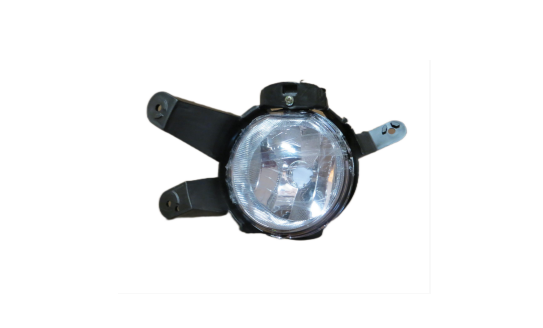
Off-road adventures demand exceptional visibility, especially when navigating through challenging terrains during adverse weather conditions. Professional off-road enthusiasts understand that standard headlights often fall short when encountering dense fog, heavy rain, or dusty environments that significantly reduce visibility ranges. Modern fog lights have evolved into sophisticated lighting systems specifically engineered to penetrate atmospheric obstacles and provide enhanced illumination patterns that complement existing vehicle lighting configurations.
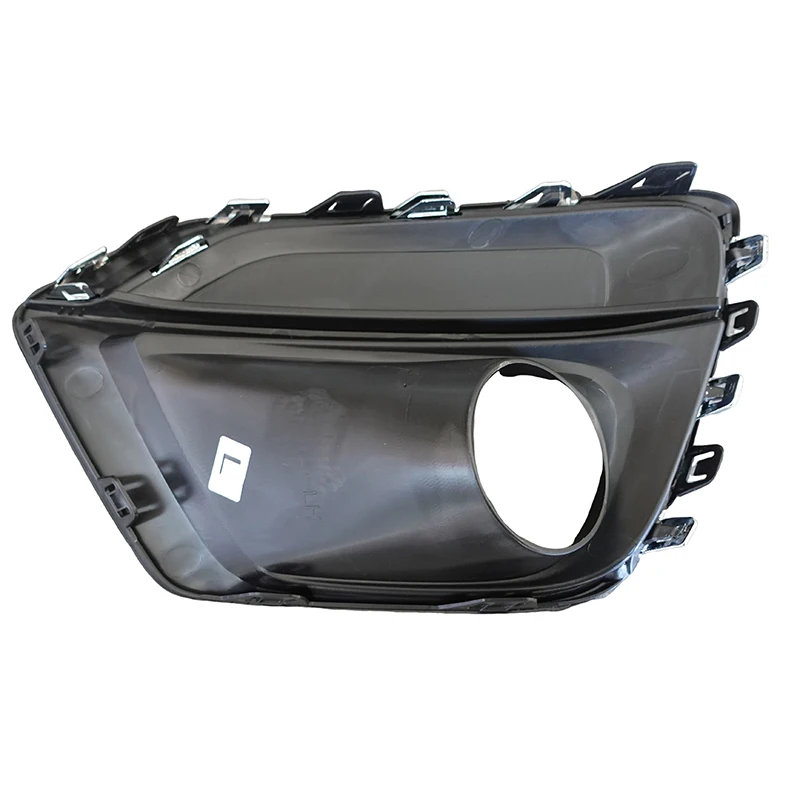
The automotive lighting industry has witnessed remarkable technological advancements in recent years, with manufacturers developing specialized fog lights that incorporate cutting-edge LED technology, advanced beam patterns, and durable construction materials. These innovations have transformed traditional auxiliary lighting concepts into precision-engineered systems that deliver superior performance across diverse off-road scenarios. Understanding the fundamental characteristics and selection criteria for premium fog lights becomes essential for serious off-road enthusiasts seeking optimal visibility enhancement.
Understanding Fog Light Technology and Applications
Advanced LED Technology Integration
Contemporary fog lights leverage sophisticated LED technology that delivers exceptional luminous efficiency while maintaining minimal power consumption characteristics. These advanced lighting systems incorporate high-performance diodes that generate precise wavelengths optimized for atmospheric penetration, ensuring maximum visibility enhancement during challenging weather conditions. Professional-grade LED fog lights typically feature multi-chip configurations that distribute light output evenly across designated illumination zones.
The thermal management systems integrated within modern fog lights utilize advanced heat dissipation technologies including aluminum heat sinks, copper conductors, and specialized cooling fans. These components work synergistically to maintain optimal operating temperatures, preventing performance degradation and extending overall service life. Quality LED fog lights often incorporate intelligent temperature monitoring systems that automatically adjust output levels to prevent overheating during extended operation periods.
Beam Pattern Optimization Strategies
Professional fog lights employ carefully engineered optical systems that create wide, low-mounted beam patterns specifically designed to illuminate road surfaces while minimizing atmospheric scatter. These specialized beam configurations differ significantly from traditional headlight patterns, focusing illumination closer to the vehicle while spreading light horizontally across the driving path. Advanced reflector designs and precision-crafted lens systems contribute to optimal light distribution characteristics.
The geometric positioning of fog lights relative to vehicle centerlines and ground clearance plays a crucial role in achieving maximum effectiveness. Lower mounting positions reduce the likelihood of light reflection from atmospheric particles, while wider spacing between fog lights creates improved depth perception and enhanced peripheral visibility. Professional installation considerations include proper aiming adjustments to ensure optimal beam alignment with road surfaces.
Essential Performance Characteristics for Off-Road Applications
Durability and Weather Resistance Features
Off-road environments subject automotive lighting systems to extreme conditions including temperature fluctuations, moisture exposure, impact forces, and abrasive particle bombardment. Premium fog lights incorporate robust construction materials including die-cast aluminum housings, polycarbonate lenses, and stainless steel mounting hardware that withstand these challenging operational demands. Advanced sealing systems prevent moisture intrusion while maintaining internal component integrity.
Vibration resistance becomes particularly critical for off-road fog lights, as rough terrain generates significant mechanical stress that can compromise internal connections and component alignment. Quality fog lights feature reinforced mounting systems, shock-absorbing materials, and secure electrical connections designed to maintain reliable operation despite continuous vibration exposure. Military-grade specifications often guide the development of premium off-road lighting systems.
Power Consumption and Electrical Integration
Modern fog lights balance high-performance illumination requirements with reasonable power consumption levels to prevent excessive strain on vehicle electrical systems. Efficient LED technology typically consumes significantly less power compared to traditional halogen alternatives while delivering superior light output characteristics. Professional-grade fog lights often incorporate intelligent power management systems that optimize performance based on operating conditions.
Electrical integration considerations include proper wiring gauge selection, relay implementation, and switch placement to ensure safe and reliable operation. Quality fog lights include comprehensive installation hardware and detailed wiring diagrams that facilitate professional installation procedures. Advanced systems may incorporate CANbus compatibility features that integrate seamlessly with modern vehicle electronic systems without triggering error codes.
Installation and Mounting Considerations
Strategic Positioning and Alignment
Optimal fog lights positioning requires careful consideration of vehicle-specific mounting locations that maximize illumination effectiveness while maintaining ground clearance and protection from impact damage. Professional installations typically utilize factory mounting points or reinforced aftermarket brackets that distribute mounting loads across structural components. The vertical positioning of fog lights significantly influences beam pattern effectiveness and atmospheric penetration capabilities.
Horizontal spacing between fog lights affects depth perception and peripheral illumination coverage, with wider spacing generally providing enhanced three-dimensional visibility characteristics. Installation professionals consider vehicle width, bumper configuration, and aerodynamic factors when determining optimal fog lights placement. Proper alignment procedures ensure that beam patterns complement existing headlight illumination without creating excessive glare or light pollution.
Electrical System Integration and Controls
Professional fog lights installations incorporate dedicated switching systems that provide independent control over auxiliary lighting functions. These control systems often feature illuminated switches, variable intensity settings, and automatic activation capabilities that enhance operational convenience. Proper electrical integration includes adequate fusing, relay protection, and wire routing that maintains system reliability while preventing electrical interference.
Advanced fog lights control systems may incorporate integration with existing vehicle lighting controls, allowing synchronized operation with headlight systems and automatic activation based on ambient light conditions. Professional installations ensure that all electrical connections meet automotive standards for reliability, corrosion resistance, and mechanical security. Proper grounding procedures prevent electrical noise and ensure optimal fog lights performance characteristics.
Maintenance and Performance Optimization
Regular Inspection and Cleaning Procedures
Maintaining optimal fog lights performance requires regular inspection procedures that identify potential issues before they compromise illumination effectiveness. Professional maintenance protocols include lens cleaning, connection inspection, mounting hardware verification, and beam pattern assessment. Accumulated dirt, salt residue, and environmental contaminants can significantly reduce light output and create uneven illumination patterns.
Cleaning procedures for fog lights require appropriate cleaning solutions and techniques that prevent lens damage while effectively removing contaminants. Microfiber cleaning cloths and specialized automotive glass cleaners provide optimal cleaning results without creating scratches or chemical damage. Regular cleaning schedules become particularly important for off-road vehicles that encounter dusty or muddy conditions frequently.
Performance Monitoring and Troubleshooting
Professional fog lights systems benefit from periodic performance monitoring that ensures continued optimal operation and identifies developing issues early. Performance assessment includes light output measurement, beam pattern verification, electrical current monitoring, and thermal performance evaluation. Advanced diagnostic procedures may utilize specialized equipment to measure illumination levels and identify performance degradation trends.
Troubleshooting procedures for fog lights systems require systematic approaches that isolate electrical, mechanical, and optical issues efficiently. Common problems include moisture intrusion, electrical connection corrosion, lens clouding, and LED degradation. Professional diagnostic techniques enable accurate problem identification and appropriate repair procedures that restore optimal fog lights performance characteristics.
Frequently Asked Questions
How do fog lights differ from regular headlights in terms of beam pattern and functionality
Fog lights create wide, low-mounted beam patterns that illuminate road surfaces close to the vehicle while minimizing atmospheric scatter, unlike headlights which project focused beams at greater distances. This specialized beam configuration reduces glare reflection from atmospheric particles and provides enhanced visibility during foggy conditions. The lower mounting position and horizontal spread pattern of fog lights complement headlight illumination by filling in near-field visibility gaps that standard headlights cannot address effectively.
What installation requirements should be considered for off-road fog lights
Professional fog lights installation requires proper mounting bracket selection, adequate electrical capacity verification, and strategic positioning to maximize illumination effectiveness. Installation considerations include ground clearance maintenance, impact protection, vibration resistance, and integration with existing vehicle electrical systems. Proper wiring procedures with appropriate gauge wire, relay protection, and weatherproof connections ensure reliable operation in demanding off-road environments.
How can I maintain optimal fog lights performance over time
Regular maintenance procedures for fog lights include lens cleaning, electrical connection inspection, mounting hardware verification, and beam pattern assessment to ensure continued optimal performance. Cleaning schedules should be adjusted based on operating conditions, with more frequent maintenance required for vehicles operating in dusty or muddy environments. Professional maintenance may include thermal performance monitoring and electrical current measurement to identify developing issues before they compromise fog lights effectiveness.
What power consumption considerations apply to modern LED fog lights
Modern LED fog lights typically consume significantly less power than traditional halogen alternatives while delivering superior light output, but proper electrical system capacity assessment remains important for reliable operation. Power consumption considerations include total electrical load calculation, alternator capacity verification, and battery capacity assessment to ensure adequate power supply during extended operation periods. Professional installations incorporate proper fusing and relay protection to prevent electrical system overload and ensure safe fog lights operation.