 EN
EN

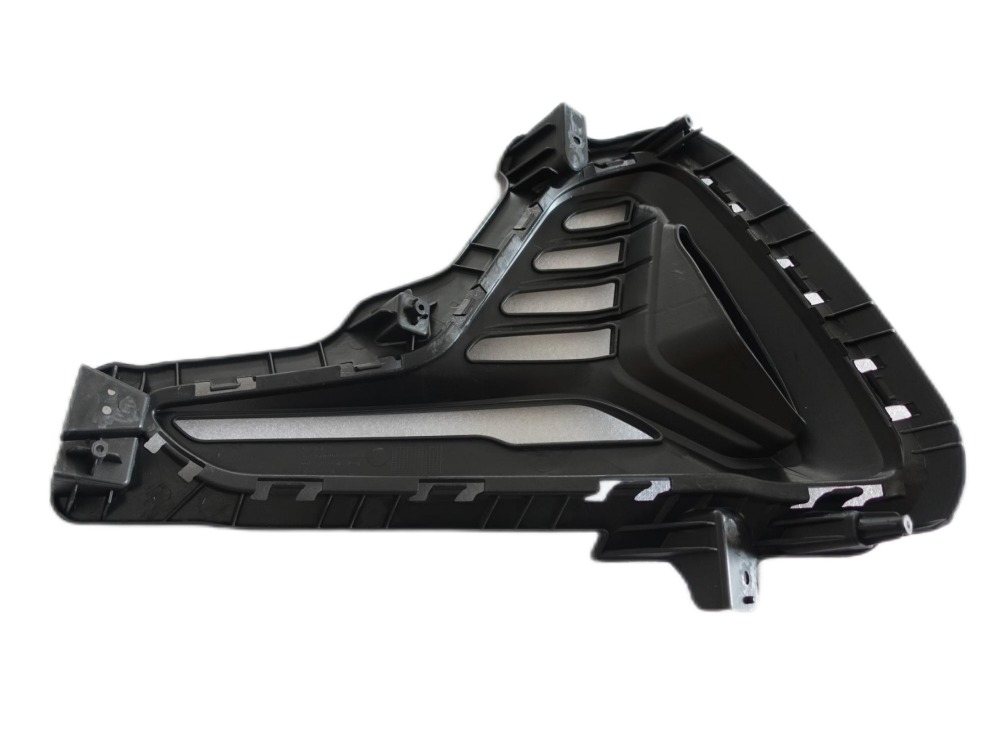
Proper maintenance of automotive fog lights ensures optimal visibility during challenging weather conditions while extending their operational lifespan. Vehicle owners who invest time in regular fog lights care can significantly improve driving safety and avoid costly replacements. Understanding the fundamental principles of fog light maintenance helps drivers maintain peak performance throughout various seasons and weather patterns.
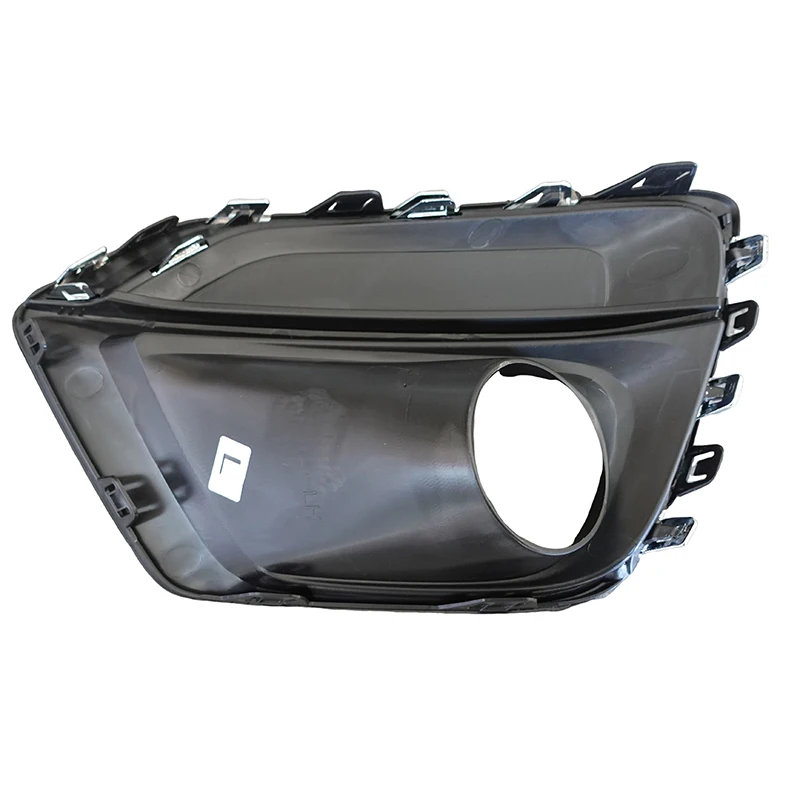
Modern automotive fog lights require systematic attention to function effectively in dense fog, heavy rain, and snow conditions. These specialized lighting components operate under extreme environmental stress, making regular maintenance essential for sustained performance. Professional automotive technicians recommend establishing comprehensive maintenance routines that address both external cleaning and internal component inspection.
The complexity of contemporary fog light systems demands thorough understanding of electrical connections, lens materials, and housing designs. Vehicle manufacturers engineer fog lights with specific maintenance requirements that vary across different models and years. Neglecting proper care can result in diminished light output, electrical failures, and compromised road safety during adverse weather conditions.
Essential Cleaning Procedures for Fog Light Components
External Lens Cleaning Techniques
Regular cleaning of fog light lenses prevents dirt accumulation that reduces illumination effectiveness. Road debris, salt residue, and environmental contaminants constantly attack fog light surfaces during normal driving operations. Professional detailing specialists recommend weekly cleaning sessions using specialized automotive glass cleaners and microfiber cloths to maintain crystal-clear visibility.
The cleaning process begins with thorough rinsing using clean water to remove loose particles and prevent scratching during wiping. Automotive-grade cleaning solutions effectively dissolve stubborn residues without damaging protective lens coatings. Gentle circular motions with lint-free cloths ensure streak-free results while avoiding pressure that could crack or damage delicate lens surfaces.
Harsh chemicals and abrasive materials can permanently damage fog light lenses, requiring expensive replacements. Professional maintenance protocols specify pH-neutral cleaners that safely remove contaminants while preserving lens clarity and coating integrity. Regular cleaning schedules prevent the buildup of corrosive substances that gradually degrade light transmission quality.
Housing and Mounting Hardware Care
Fog light housings require periodic inspection and cleaning to prevent corrosion and maintain structural integrity. Salt exposure from winter road treatments accelerates metal corrosion around mounting points and electrical connections. Automotive maintenance professionals recommend monthly inspections of housing conditions and immediate attention to any signs of deterioration or damage.
Protective coatings on fog light housings benefit from regular application of appropriate automotive waxes or sealants. These treatments create barriers against moisture infiltration and chemical attack from environmental contaminants. Quality maintenance products specifically formulated for automotive lighting components provide superior protection compared to general-purpose cleaning supplies.
Mounting hardware loosening represents a common maintenance issue that affects fog light alignment and performance. Vibration from road travel gradually works fasteners loose, creating gaps that allow moisture entry and compromise electrical connections. Systematic torque checking using manufacturer specifications prevents these issues while maintaining optimal fog light positioning.
Electrical System Maintenance and Troubleshooting
Connection Integrity and Corrosion Prevention
Electrical connections powering fog lights face constant exposure to moisture, salt, and temperature fluctuations that promote corrosion formation. Professional automotive electricians emphasize the importance of regular connection inspection and cleaning to maintain reliable fog light operation. Corrosion at connection points creates resistance that reduces current flow and diminishes light output significantly.
Dielectric grease application at all electrical connections provides long-term protection against moisture infiltration and corrosion development. This specialized compound maintains electrical conductivity while creating waterproof seals around wire terminals and connector interfaces. Regular reapplication according to manufacturer recommendations ensures continued protection throughout extended service intervals.
Wire harness inspection reveals potential problems before complete electrical failures occur. Cracked insulation, frayed conductors, and loose connections compromise fog light performance and create safety hazards. Systematic visual examination combined with electrical testing identifies maintenance needs that prevent roadside failures during critical weather conditions.
Bulb Replacement and Upgrade Considerations
Traditional halogen fog light bulbs require periodic replacement as filaments gradually deteriorate through thermal cycling. Modern LED conversion options offer extended service life and improved energy efficiency compared to conventional incandescent designs. Understanding the advantages and installation requirements of different bulb technologies helps vehicle owners make informed upgrade decisions.
Professional installation of fog lights ensures proper electrical compatibility and optimal performance characteristics. Incorrect bulb specifications can overload electrical circuits or provide insufficient illumination during critical driving conditions. Qualified technicians verify compatibility with existing wiring harnesses and control systems before completing installations.
Heat management becomes particularly important when upgrading to higher-output bulb technologies. Improved ventilation and thermal protection prevent overheating that shortens bulb life and damages surrounding components. Professional maintenance includes verification of adequate cooling airflow and inspection of heat-sensitive materials near fog light assemblies.
Seasonal Maintenance Strategies for Optimal Performance
Winter Protection and Salt Damage Prevention
Winter driving conditions expose fog lights to aggressive road salt treatments that accelerate corrosion and component deterioration. Proactive maintenance during cold months includes frequent washing to remove salt accumulation and application of protective treatments to vulnerable surfaces. Professional winter preparation helps fog lights survive harsh conditions while maintaining reliable operation.
Anti-corrosion treatments applied before winter weather provide essential protection for fog light components. Specialized automotive products create barrier coatings that resist salt penetration and chemical attack. Regular reapplication throughout winter months maintains protection levels as treatments gradually wear away from weather exposure and mechanical washing.
Snow and ice accumulation on fog light surfaces severely reduces illumination effectiveness during critical visibility conditions. Systematic removal of frozen precipitation before driving ensures maximum light output when fog lights are most needed. Gentle clearing techniques prevent damage to delicate lens surfaces while restoring full illumination capability.
Summer Heat and UV Protection Measures
Intense summer heat and ultraviolet radiation gradually degrade fog light materials through photochemical reactions and thermal stress. Plastic lenses become cloudy and brittle when exposed to prolonged UV radiation without adequate protection. Professional maintenance includes application of UV-resistant treatments that preserve lens clarity and material integrity throughout hot weather periods.
Thermal cycling from daily temperature variations creates expansion and contraction stresses that can crack lens materials and loosen mounting hardware. Regular inspection during summer months identifies developing problems before complete failures occur. Preventive maintenance addresses thermal stress effects while maintaining fog light reliability during sudden weather changes.
Cooling system maintenance becomes critical during summer operation as fog lights generate significant heat that must be dissipated effectively. Blocked ventilation passages and accumulated debris reduce cooling efficiency, leading to premature component failure. Professional cleaning of cooling channels and verification of airflow patterns ensures adequate heat management throughout high-temperature operation.
Advanced Maintenance Techniques for Professional Results
Alignment and Beam Pattern Optimization
Proper fog light alignment ensures maximum visibility coverage while preventing glare that affects other drivers. Professional alignment procedures utilize specialized equipment to verify beam patterns meet manufacturer specifications and regulatory requirements. Systematic adjustment techniques optimize fog light performance for specific vehicle configurations and driving conditions.
Vibration from road travel gradually shifts fog light positioning, requiring periodic realignment to maintain optimal beam patterns. Professional maintenance includes verification of mounting hardware tightness and adjustment of aim settings according to established procedures. Precise alignment maximizes illuminated area coverage while maintaining safe light distribution characteristics.
Advanced diagnostic equipment identifies subtle alignment problems that affect fog light performance without obvious visual indicators. Professional testing reveals beam pattern irregularities and intensity variations that compromise visibility effectiveness. Systematic alignment verification ensures fog lights provide intended illumination patterns throughout their service life.
Performance Testing and Quality Assessment
Comprehensive fog light testing evaluates electrical performance, light output characteristics, and overall system functionality. Professional diagnostic procedures measure current draw, voltage levels, and illumination intensity to verify optimal operation. Regular performance assessment identifies declining components before complete failures occur during critical driving situations.
Light output measurement using calibrated equipment provides objective assessment of fog light performance degradation over time. Professional testing reveals gradual declines in illumination effectiveness that may not be apparent during casual observation. Systematic monitoring helps establish replacement schedules that maintain consistent visibility performance.
Comparative testing against manufacturer specifications ensures fog lights meet original performance standards throughout their service life. Professional evaluation identifies modifications or repairs needed to restore optimal functionality. Regular assessment prevents gradual performance degradation that compromises driving safety during adverse weather conditions.
Cost-Effective Maintenance Planning and Scheduling
Preventive Maintenance Economics
Strategic maintenance planning reduces long-term fog light ownership costs while maximizing performance reliability. Professional analysis of maintenance intervals and replacement schedules optimizes service timing to prevent costly emergency repairs. Systematic care protocols extend component life while maintaining optimal visibility during challenging driving conditions.
Quality replacement parts and maintenance supplies provide superior long-term value compared to budget alternatives. Professional-grade components and materials resist environmental degradation while maintaining consistent performance characteristics. Investment in quality maintenance products reduces service frequency and prevents premature component failures.
Maintenance record keeping enables optimization of service intervals and identification of recurring problems. Professional documentation tracks component performance and replacement history to guide future maintenance decisions. Systematic record analysis reveals patterns that help predict maintenance needs and prevent unexpected failures.
Professional Service Integration
Coordination with professional automotive service providers ensures comprehensive fog light maintenance that addresses all system components. Qualified technicians possess specialized knowledge and equipment needed for advanced diagnostic procedures and complex repairs. Professional service integration provides access to manufacturer-specific information and genuine replacement parts.
Warranty protection for fog light components often requires professional installation and maintenance documentation. Authorized service providers ensure compliance with manufacturer requirements while maintaining warranty coverage. Professional service records demonstrate proper care that supports warranty claims when component failures occur within coverage periods.
Training and certification programs for automotive lighting systems ensure service providers maintain current knowledge of evolving technologies and procedures. Professional technicians receive regular updates on fog light maintenance techniques and diagnostic procedures. Continuing education supports optimal service quality and keeps pace with advancing automotive lighting technologies.
FAQ
How often should fog lights be cleaned and inspected
Fog lights should be cleaned weekly and thoroughly inspected monthly to maintain optimal performance. More frequent cleaning may be necessary during winter months when road salt and debris accumulation occurs rapidly. Professional inspection every six months ensures early detection of developing problems that could compromise visibility or safety.
What are the signs that fog lights need professional attention
Dimming light output, flickering operation, moisture inside lens assemblies, and cracked or cloudy lens surfaces indicate professional service needs. Loose mounting hardware, corroded electrical connections, and irregular beam patterns also require immediate professional attention. These symptoms often progress rapidly and can compromise driving safety during adverse weather conditions.
Can LED bulbs be installed in existing fog light housings
LED conversions are possible in many fog light applications but require verification of electrical compatibility and thermal management capabilities. Professional installation ensures proper fit, adequate cooling, and compliance with regulatory requirements. Some older vehicles may need additional modifications to support LED technology safely and effectively.
How do weather conditions affect fog light maintenance requirements
Harsh weather conditions significantly increase fog light maintenance needs due to increased exposure to moisture, salt, temperature extremes, and debris. Winter conditions require more frequent cleaning and corrosion prevention measures, while summer heat demands attention to thermal management and UV protection. Seasonal maintenance adjustments help fog lights withstand environmental stresses while maintaining reliable operation.