 EN
EN


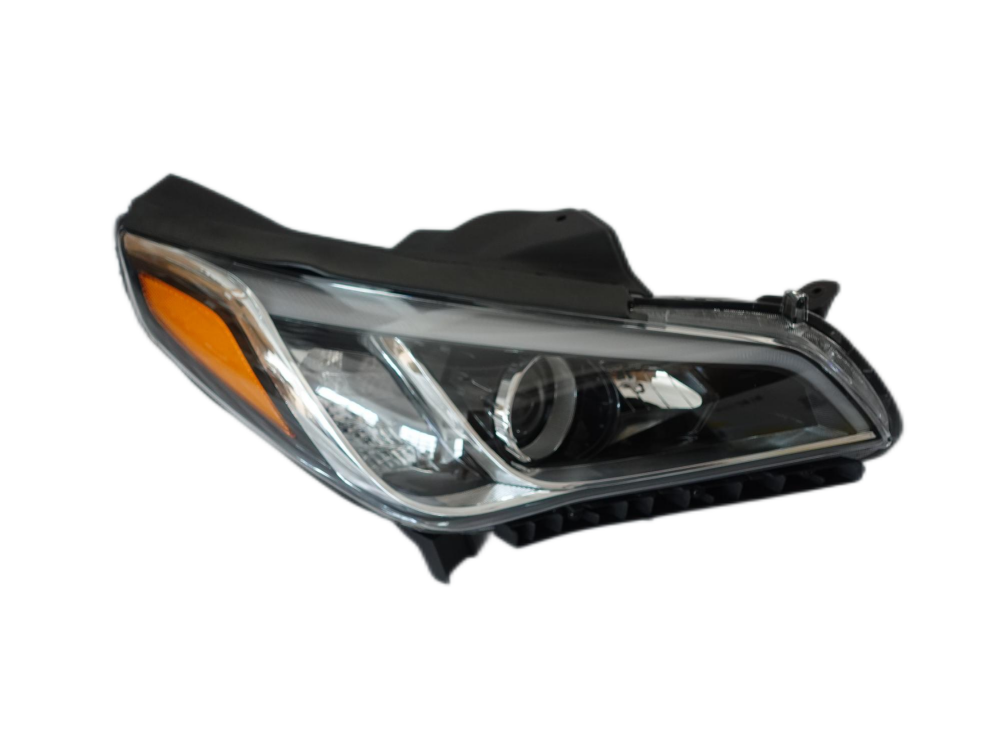
Modern automotive lighting technology has revolutionized night driving safety and visibility, making quality head lamp systems more crucial than ever for today's drivers. Whether you're navigating winding country roads or busy urban streets after dark, the performance of your vehicle's head lamp directly impacts your ability to detect hazards, read road signs, and maintain confident control behind the wheel. Superior head lamp upgrades not only enhance illumination patterns but also reduce eye strain during extended nighttime driving sessions, contributing significantly to overall road safety.
Understanding Advanced Head Lamp Technologies
LED Head Lamp Systems
Light-emitting diode technology represents the pinnacle of modern head lamp innovation, offering exceptional brightness output while consuming significantly less electrical power than traditional halogen bulbs. LED head lamp assemblies generate crisp, white light that closely mimics natural daylight, enabling drivers to distinguish colors and textures more accurately in low-light conditions. These advanced systems typically last 25,000 to 50,000 hours, dramatically reducing replacement frequency compared to conventional lighting solutions.
The instant-on capability of LED head lamp units eliminates the warm-up period associated with other lighting technologies, providing immediate full brightness when activated. This rapid response time proves particularly valuable during emergency situations or when quickly transitioning between high and low beam settings. Additionally, LED head lamp designs offer greater flexibility in housing shapes and sizes, allowing manufacturers to create more aerodynamic and aesthetically pleasing front-end configurations.
Xenon HID Head Lamp Performance
High-intensity discharge xenon head lamp systems produce exceptionally bright illumination through an electric arc between tungsten electrodes housed within a quartz glass chamber. These sophisticated head lamp units generate approximately three times more light output than standard halogen bulbs while consuming only slightly more electrical power. The characteristic blue-white light signature of xenon head lamp technology provides excellent road surface illumination and enhanced visibility of reflective materials like road signs and lane markings.
Professional-grade xenon head lamp installations require specialized ballast units and ignition systems to properly regulate voltage and maintain stable arc formation. The complex electronic components ensure consistent light output throughout the operational lifespan of each head lamp assembly, typically ranging from 2,000 to 3,000 hours of continuous use. Modern xenon head lamp systems also incorporate automatic leveling mechanisms to prevent glare issues for oncoming traffic while maintaining optimal beam projection angles.
Selecting Optimal Head Lamp Configurations
Beam Pattern Optimization
The geometric design of head lamp reflectors and projector lenses determines the distribution pattern of light across the road surface, directly influencing visibility distance and peripheral illumination coverage. Well-engineered head lamp assemblies create distinct cutoff lines that maximize forward throw while minimizing scattered light that could cause glare for opposing drivers. Advanced head lamp designs incorporate multiple reflector zones or sophisticated lens systems to achieve uniform light distribution across both near-field and distance viewing areas.
Adaptive head lamp technologies automatically adjust beam patterns based on vehicle speed, steering angle, and ambient lighting conditions to optimize illumination for changing driving scenarios. These intelligent systems can widen the head lamp spread during low-speed cornering maneuvers or extend the reach during highway cruising, providing enhanced safety margins in various driving environments. Premium adaptive head lamp systems may include additional features like cornering lights, highway mode optimization, and weather-responsive brightness adjustments.
Color Temperature Considerations
The color temperature of head lamp output, measured in Kelvin units, significantly affects visual perception and eye comfort during nighttime driving. Lower color temperatures around 3,000K produce warm, yellowish light that reduces glare and eye fatigue but may limit color recognition capabilities. Higher color temperatures between 4,000K and 6,000K generate cooler, whiter light that enhances contrast and detail visibility while providing better color rendering for improved hazard identification.
Optimal head lamp color temperature selection depends on individual driver preferences, typical driving conditions, and regional weather patterns. Drivers in areas with frequent fog or precipitation often prefer slightly warmer head lamp output that penetrates atmospheric moisture more effectively, while those primarily driving in clear conditions may benefit from cooler color temperatures that maximize visual acuity and reaction time. Modern head lamp systems sometimes offer adjustable color temperature settings to accommodate varying preferences and environmental conditions.
Installation and Compatibility Factors
Vehicle-Specific Head Lamp Requirements
Proper head lamp upgrades require careful attention to vehicle-specific mounting points, electrical connections, and regulatory compliance standards to ensure safe and legal operation. OEM head lamp assemblies are designed to integrate seamlessly with existing wiring harnesses, control modules, and lens washing systems where equipped. Aftermarket head lamp upgrades may require additional components like relay harnesses, load resistors, or canbus adapters to maintain proper functionality with modern vehicle electronics systems.
The physical dimensions and mounting geometry of replacement head lamp units must precisely match the original equipment specifications to ensure proper fitment and beam alignment. Incorrectly sized or positioned head lamp assemblies can create dangerous blind spots, produce excessive glare, or fail to provide adequate illumination coverage. Professional installation services can verify proper head lamp alignment using specialized equipment and adjust beam patterns according to manufacturer specifications and local regulations.
Electrical System Compatibility
Modern head lamp upgrades often incorporate advanced electronic components that may require modifications to existing electrical systems or additional power management hardware. LED head lamp conversions typically draw less current than original halogen systems, potentially triggering error codes in vehicles equipped with bulb monitoring circuits. Xenon head lamp installations require high-voltage ballast units and specialized ignition systems that must be properly integrated with the vehicle's electrical architecture.
Professional head lamp installations include comprehensive electrical system testing to verify proper voltage levels, ground connections, and signal integrity throughout the lighting circuit. Inadequate power supply or poor grounding connections can significantly reduce head lamp performance, create flickering issues, or cause premature component failure. Quality installations also include appropriate fusing and relay protection to safeguard both the new head lamp systems and existing vehicle electronics from potential electrical faults.
Maintenance and Longevity Optimization
Regular Head Lamp Cleaning Procedures
Maintaining optimal head lamp performance requires regular cleaning of lens surfaces, reflector assemblies, and housing ventilation systems to prevent dirt accumulation and moisture infiltration. Road debris, insect residue, and atmospheric pollutants can significantly reduce light transmission through head lamp lenses, diminishing illumination effectiveness and creating hazardous driving conditions. Professional-grade cleaning products and techniques help preserve lens clarity while avoiding damage to protective coatings and sealing materials.
Oxidation and yellowing of polycarbonate head lamp lenses represents a common maintenance challenge that progressively degrades light output and beam quality over time. Specialized restoration compounds and polishing techniques can often restore clarity to moderately damaged lenses, while severely degraded units may require complete replacement to maintain adequate head lamp performance. Regular application of protective treatments can help prevent future oxidation and extend the operational lifespan of head lamp assemblies.
Performance Monitoring and Adjustment
Systematic head lamp performance evaluation should include periodic beam pattern inspection, output measurement, and alignment verification to ensure continued optimal operation. Changes in vehicle ride height, suspension components, or loading conditions can affect head lamp aim and potentially create safety hazards or legal compliance issues. Professional alignment services use calibrated equipment to verify proper beam placement and make necessary adjustments according to manufacturer specifications.
Advanced head lamp systems may incorporate self-diagnostic capabilities that monitor component status and alert drivers to potential issues before complete system failure occurs. Regular inspection of warning indicators, unusual noise, or changes in light quality can help identify developing problems early and prevent unexpected head lamp failures during critical driving situations. Proactive maintenance scheduling based on manufacturer recommendations helps maximize the lifespan and reliability of upgraded head lamp systems.
Cost-Benefit Analysis of Head Lamp Upgrades
Safety Investment Returns
The financial investment in premium head lamp upgrades delivers measurable safety benefits that extend far beyond the initial purchase price, potentially preventing costly accidents and insurance claims. Enhanced visibility provided by modern head lamp technology enables earlier hazard detection, improved reaction times, and greater confidence during challenging nighttime driving conditions. The reduced risk of collision damage, personal injury, and associated legal expenses often justifies the cost of professional head lamp upgrade installations.
Insurance carriers increasingly recognize the safety benefits of advanced head lamp systems, with some providers offering premium discounts for vehicles equipped with certified safety enhancement technologies. The improved visibility and reduced accident risk associated with quality head lamp upgrades can contribute to lower insurance rates over the operational lifetime of the vehicle. Additionally, enhanced nighttime driving capabilities may reduce driver fatigue and stress, contributing to improved overall driving performance and safety margins.
Long-term Operational Savings
While advanced head lamp technologies typically require higher initial investments compared to basic halogen systems, the extended operational lifespan and reduced maintenance requirements often result in lower total ownership costs. LED head lamp assemblies can operate for decades without replacement, eliminating frequent bulb changes and associated labor costs. The improved energy efficiency of modern head lamp systems also reduces alternator load and fuel consumption, providing ongoing operational savings throughout the vehicle's service life.
Quality head lamp upgrades can enhance vehicle resale value by demonstrating owner commitment to safety and maintenance while providing tangible performance improvements that appeal to potential buyers. The professional appearance and enhanced functionality of premium head lamp systems contribute to overall vehicle appeal and marketability. Documented installation records and warranty coverage further support resale value retention compared to vehicles with aging or inadequate lighting systems.
FAQ
How often should head lamp bulbs be replaced
Traditional halogen head lamp bulbs typically require replacement every 500 to 1,000 hours of operation, depending on usage patterns and environmental conditions. LED head lamp systems can operate for 25,000 to 50,000 hours before requiring replacement, while xenon HID units generally last 2,000 to 3,000 hours. Regular inspection of light output and beam quality helps determine when head lamp replacement becomes necessary, regardless of the specific technology employed.
Are aftermarket head lamp upgrades legal for street use
Aftermarket head lamp modifications must comply with federal motor vehicle safety standards and local regulations to remain legal for street use. DOT-approved head lamp assemblies that maintain proper beam patterns, light output levels, and mounting configurations typically meet legal requirements. However, some modifications like colored bulbs, excessive brightness levels, or improper installation may violate traffic laws and result in citations or vehicle inspection failures.
Can I install head lamp upgrades myself
Simple head lamp bulb replacements can often be performed by vehicle owners with basic mechanical skills and appropriate tools. However, complete head lamp assembly replacement or advanced system upgrades typically require professional installation to ensure proper fitment, electrical connections, and beam alignment. Complex installations involving HID conversions or adaptive lighting systems should always be performed by qualified technicians with specialized equipment and training.
What causes head lamp lenses to become cloudy or yellow
Polycarbonate head lamp lenses develop cloudiness and yellowing due to ultraviolet radiation exposure, oxidation processes, and chemical reactions with atmospheric pollutants over time. Heat generated by high-wattage bulbs can accelerate these degradation processes, while road debris and cleaning chemicals may cause additional surface damage. Regular cleaning, protective treatments, and proper ventilation help slow lens degradation, though severely damaged units typically require professional restoration or complete replacement.