 EN
EN


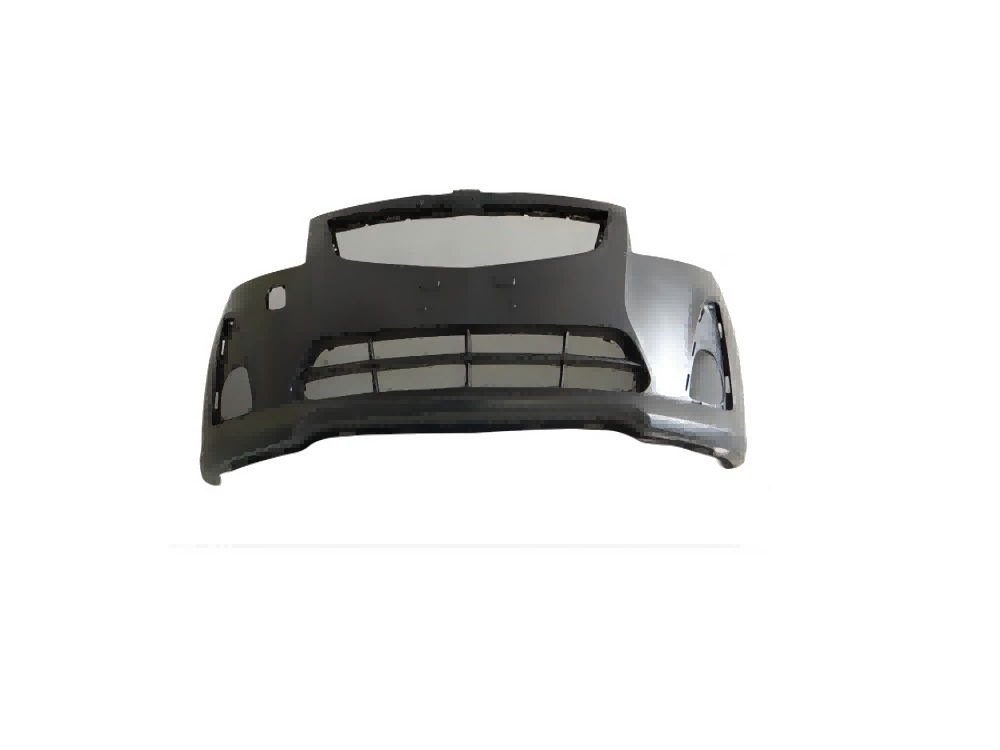
Understanding the distinction between a car fender and a fender flare is essential for vehicle owners, mechanics, and automotive enthusiasts. These two components serve different purposes in vehicle design and protection, yet they are often confused or used interchangeably in casual conversation. A car fender is a crucial structural element that protects the wheel wells from road debris, while fender flares are aesthetic and functional accessories that extend the fender's coverage. This comprehensive guide will explore the fundamental differences, functions, and applications of both components to help you make informed decisions about your vehicle's needs.
Understanding Car Fenders
Primary Function and Design
The primary purpose of a car fender extends beyond mere aesthetics, serving as a protective barrier between the vehicle's body and the external environment. Positioned over the wheel wells, fenders shield critical components from water, dirt, rocks, and other road debris that could cause significant damage over time. Modern automotive design integrates fenders as essential structural elements that contribute to the vehicle's overall aerodynamics and safety profile.
Manufacturing standards for automotive fenders require precise engineering to meet both safety regulations and performance specifications. The curvature and positioning must accommodate tire movement during steering while maintaining optimal clearance for suspension travel. This engineering precision ensures that the fender provides maximum protection without interfering with the vehicle's operational mechanics or compromising passenger safety during various driving conditions.
Materials and Construction Methods
Contemporary car fender construction utilizes various materials depending on the vehicle's intended use, price point, and performance requirements. Steel remains the most common material for mass-produced vehicles due to its durability, formability, and cost-effectiveness. Premium and performance vehicles often incorporate aluminum or carbon fiber alternatives that offer superior weight reduction while maintaining structural integrity under demanding conditions.
The manufacturing process involves sophisticated stamping techniques that create the complex curves and contours necessary for proper fit and function. Advanced coating technologies protect against corrosion, while integrated mounting points ensure secure attachment to the vehicle's frame. Quality control measures throughout production guarantee that each unit meets stringent automotive standards for impact resistance and longevity.
Exploring Fender Flares
Aesthetic Enhancement and Customization
Fender flares represent a popular aftermarket modification that combines functional benefits with visual appeal. These extensions attach to existing fenders to create a more aggressive, off-road appearance while providing additional tire coverage. The automotive customization market has embraced fender flares as an accessible way to transform a vehicle's appearance without extensive modifications or professional installation requirements.
Design variations in fender flares range from subtle factory-style extensions to bold, oversized accessories that dramatically alter the vehicle's profile. Material choices include flexible rubber compounds, rigid plastic polymers, and fiberglass composites, each offering distinct advantages in terms of durability, flexibility, and finish quality. Color options typically include paintable surfaces, textured black finishes, and pre-colored variants that complement specific vehicle models.
Functional Benefits Beyond Appearance
While aesthetics drive many fender flare installations, these accessories provide tangible functional advantages that justify their popularity among practical vehicle owners. Extended coverage protects paint from stone chips and road debris thrown by larger tires, particularly beneficial for trucks and SUVs equipped with oversized wheel and tire combinations. This protection becomes especially valuable for vehicles frequently operated in harsh environments or off-road conditions.
Legal compliance represents another important consideration, as many jurisdictions require tire coverage that extends beyond the tire's widest point. Fender flares enable vehicle owners to run wider tires while maintaining legal compliance and avoiding potential citations or inspection failures. Additionally, the extended coverage helps contain water spray during wet weather conditions, improving visibility for following vehicles and reducing environmental impact.
Key Differences in Application
Installation Requirements and Complexity
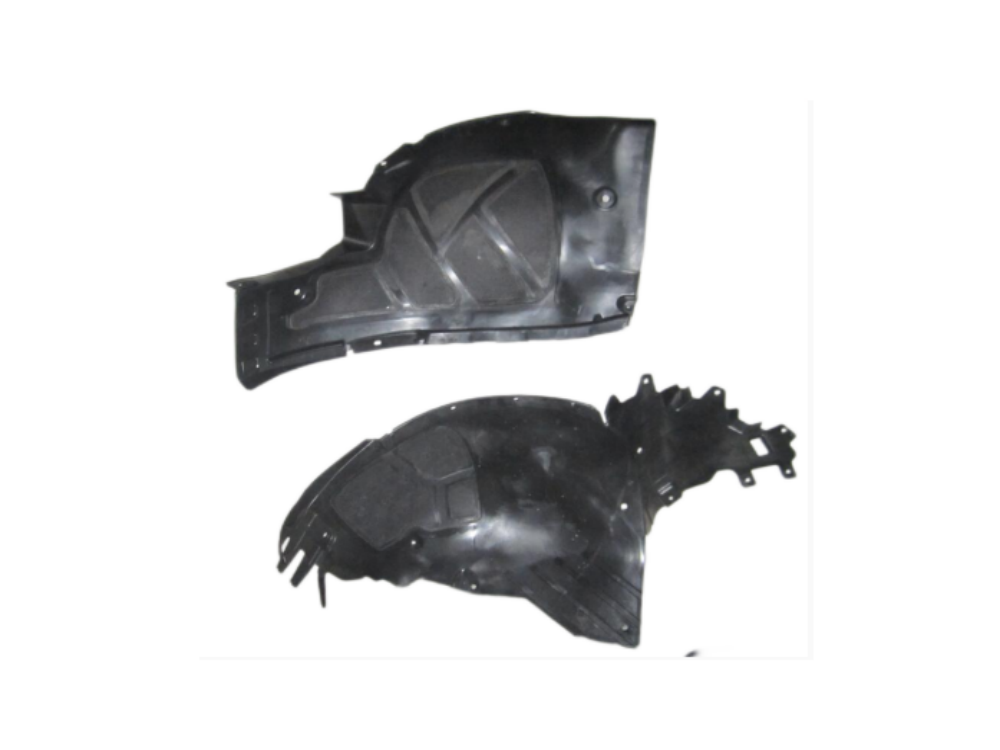
Installation procedures for car fenders and fender flares differ significantly in complexity, time requirements, and necessary tools. Replacing a damaged car fender typically requires professional expertise due to the precision alignment needed with adjacent body panels and the potential need for paint matching. The process involves removing multiple fasteners, disconnecting electrical connections for integrated lights, and ensuring proper gap consistency across all panel joints.
Fender flare installation, conversely, represents a more accessible DIY project for mechanically inclined vehicle owners. Most aftermarket flares utilize existing mounting points or require minimal drilling for secure attachment. The process typically involves cleaning the mounting surface, positioning the flare for proper alignment, and securing with provided hardware. However, achieving professional-quality results still requires attention to detail and proper preparation techniques.
Cost Considerations and Value Proposition
Economic factors play a crucial role in deciding between fender repair, replacement, or flare addition. Original equipment manufacturer fenders command premium prices due to precise fit specifications and factory finish quality, while aftermarket alternatives offer cost savings with varying degrees of quality compromise. Labor costs for professional installation add significantly to the total investment, particularly when paint work becomes necessary for color matching.
Fender flares present a more budget-friendly option for addressing minor damage or achieving desired aesthetic changes without major bodywork expenses. Quality aftermarket flares provide excellent value by extending the life of existing fenders while adding functional benefits and visual appeal. The investment becomes particularly attractive when considering the protection offered against future damage from road debris and environmental exposure.
Performance Impact and Considerations
Aerodynamic Effects on Vehicle Operation
The aerodynamic impact of fender modifications varies significantly between properly designed OEM components and aftermarket additions. Factory fenders undergo extensive wind tunnel testing to optimize airflow around the wheel wells, minimizing drag and reducing turbulence that could affect fuel economy and high-speed stability. These design considerations become increasingly important as fuel efficiency standards tighten and performance expectations rise.
Fender flares can introduce aerodynamic changes that may affect vehicle performance, though the impact typically remains minimal for street-driven vehicles. Properly designed flares incorporate aerodynamic principles to minimize negative effects, while poorly designed alternatives may create unwanted drag or noise at highway speeds. Performance-oriented applications require careful consideration of these factors to maintain optimal vehicle dynamics.
Maintenance and Longevity Factors
Long-term maintenance requirements differ substantially between integrated fenders and bolt-on flares. Factory fenders benefit from comprehensive corrosion protection and integrated drainage systems that channel water away from critical areas. Regular washing and inspection typically suffice to maintain appearance and function throughout the vehicle's service life, assuming no accident damage occurs.
Fender flares require periodic attention to mounting hardware and sealant integrity to prevent water infiltration and ensure continued secure attachment. UV exposure can degrade certain materials over time, necessitating replacement or refinishing to maintain appearance standards. However, quality aftermarket products often include warranties and replacement options that provide long-term value and peace of mind for discerning consumers.
FAQ
Can fender flares be installed on any vehicle
Fender flares are not universally compatible with all vehicles, as each application requires specific design considerations for proper fit and function. Most reputable manufacturers produce model-specific flares designed to integrate seamlessly with particular vehicle designs, ensuring optimal appearance and performance. Universal flares exist but typically require more extensive modification and may not achieve the same quality results as purpose-built alternatives.
Do fender flares affect vehicle warranty coverage
The impact of fender flares on vehicle warranty depends on the installation method and potential modifications required. Non-invasive installations using existing mounting points typically do not affect warranty coverage, while installations requiring drilling or cutting may void specific warranty provisions. Consulting with the vehicle manufacturer or authorized dealer before installation helps clarify any potential warranty implications and ensures informed decision-making.
How do I determine the correct fender part number for my vehicle
Identifying the correct fender part number requires gathering specific vehicle information including year, make, model, engine size, and trim level. Vehicle identification numbers provide the most accurate method for determining compatible parts, as manufacturers often make subtle changes within model years that affect fitment. Consulting with authorized parts departments or reputable aftermarket suppliers ensures proper part identification and compatibility verification.
What tools are typically needed for fender flare installation
Standard fender flare installation requires basic hand tools including screwdrivers, socket sets, drill bits, and measuring devices for proper alignment. Specific requirements vary by manufacturer and vehicle application, with some installations requiring additional specialized tools or hardware. Most quality flare kits include detailed instructions and necessary mounting hardware, while professional installation remains available for customers preferring expert installation services.