 EN
EN

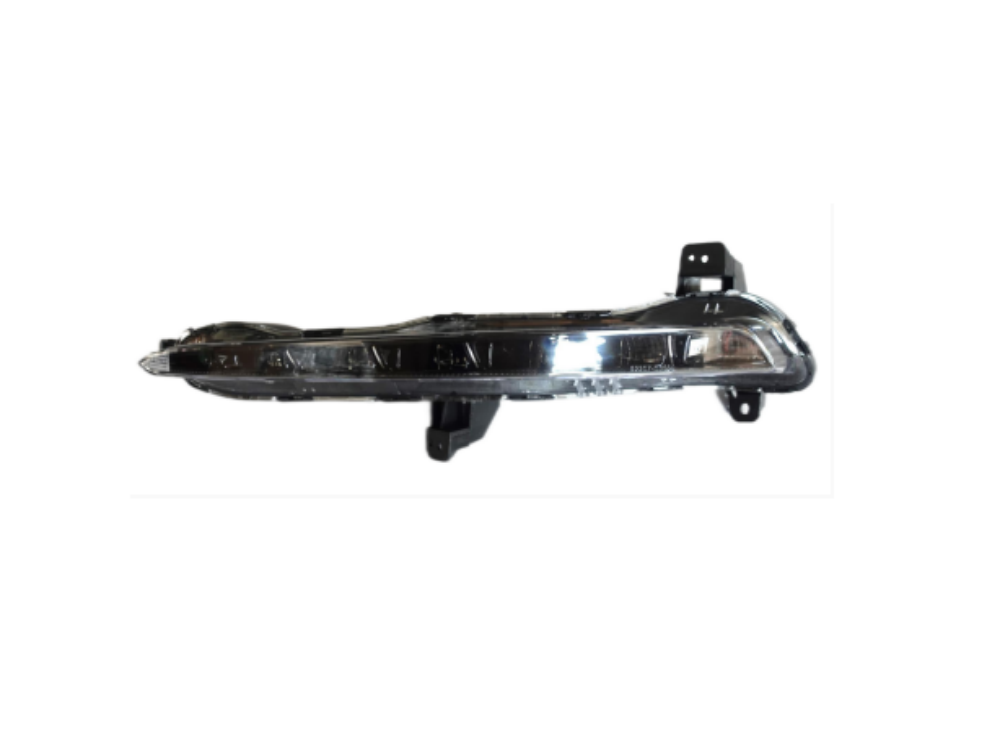
Driving in harsh weather conditions presents significant challenges for motorists worldwide. Poor visibility due to fog, rain, snow, or dust storms can transform routine journeys into dangerous encounters. Modern automotive safety relies heavily on advanced lighting systems, with fog lights playing a crucial role in maintaining visibility when standard headlights prove inadequate. These specialized lighting components cut through atmospheric interference more effectively than conventional headlights, providing drivers with the enhanced vision needed to navigate safely through challenging conditions.
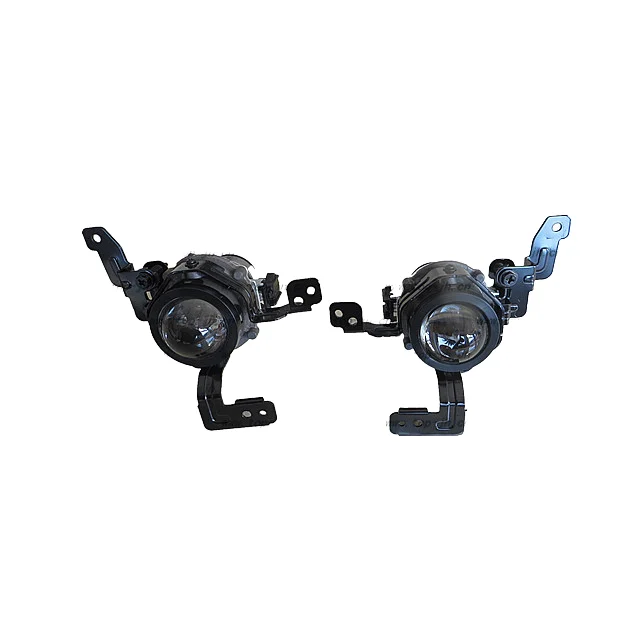
Understanding the Science Behind Fog Light Technology
Wavelength and Light Penetration
The effectiveness of fog lights stems from their unique design characteristics and light output specifications. Unlike standard headlights that produce broad-spectrum illumination, fog lights utilize specific wavelengths that penetrate atmospheric particles more efficiently. Yellow and amber fog lights have historically dominated the market due to their longer wavelengths, which scatter less when encountering water droplets or dust particles. This scientific principle explains why fog lights appear more effective during severe weather events compared to traditional white headlights.
Modern LED technology has revolutionized fog light performance by offering precise control over light output and color temperature. Advanced fog lights now incorporate selective yellow technology that maintains the penetration benefits while providing improved clarity and reduced eye strain. The beam pattern design ensures light distribution remains low and wide, preventing reflection back toward the driver while maximizing forward visibility through challenging atmospheric conditions.
Beam Pattern Engineering
Professional-grade fog lights feature carefully engineered beam patterns that complement existing headlight systems without creating dangerous glare conditions. The wide, flat beam pattern spreads illumination across the road surface while maintaining a sharp cutoff line that prevents light from reflecting off fog particles directly in front of the vehicle. This engineering approach ensures fog lights enhance rather than compromise overall visibility during adverse weather situations.
Advanced reflector and lens designs optimize light distribution by directing photons precisely where drivers need them most. The horizontal spread of quality fog lights typically extends beyond the standard headlight pattern, illuminating road edges, lane markers, and potential hazards that might otherwise remain hidden. This comprehensive coverage proves essential when navigating unfamiliar routes or dealing with rapidly changing weather conditions that affect visibility unpredictably.
Installation and Integration Considerations
Vehicle Compatibility Assessment
Selecting appropriate fog lights requires careful evaluation of vehicle specifications, mounting options, and electrical system compatibility. Different vehicle models present unique installation challenges, from bumper modifications to wiring harness integration. Professional installations ensure fog lights operate seamlessly with existing lighting systems while maintaining proper aim and beam pattern alignment. Compatibility extends beyond physical mounting to include electrical load calculations and switch integration that preserve vehicle warranty coverage.
Modern vehicles increasingly feature factory-prepared fog light mounting locations that simplify aftermarket installations. However, optimal performance requires attention to mounting height, angle adjustment, and protective covering that prevents damage from road debris. Quality fog lights include comprehensive mounting hardware and detailed instructions that facilitate proper installation while ensuring long-term reliability and performance consistency.
Electrical System Integration
Proper fog light installation involves sophisticated electrical integration that maintains vehicle safety systems while adding enhanced lighting capability. Modern fog lights incorporate smart switching technology that prevents operation with high-beam headlights, reducing power consumption and preventing dangerous over-illumination conditions. Professional installations include relay systems that protect vehicle wiring from excessive current loads while ensuring fog lights receive adequate power for optimal performance.
Advanced fog light systems feature automatic activation capabilities that respond to ambient light sensors and weather detection systems. These intelligent features ensure fog lights engage precisely when needed while conserving battery power during normal driving conditions. Integration with vehicle diagnostic systems allows monitoring of fog light performance and early detection of potential maintenance requirements that could compromise safety during critical weather events.
Performance Benefits in Various Weather Conditions
Fog and Mist Navigation
Dense fog presents perhaps the most challenging visibility conditions encountered by drivers, where standard headlights often create more problems than solutions. High-beam headlights reflect off fog particles, creating a wall of glare that severely reduces forward visibility. Quality fog lights positioned low on the vehicle cut beneath fog layers while providing wide lateral coverage that reveals road boundaries and potential obstacles. This positioning advantage proves crucial when fog density varies across different elevation levels.
Effective fog lights maintain consistent performance across varying fog densities, from light mist that reduces visibility by half to dense conditions that limit sight distance to mere feet. The selective wavelength output penetrates atmospheric moisture more efficiently than broad-spectrum lighting, revealing road surfaces, lane markings, and reflective signs that guide safe navigation. Professional drivers consistently report improved confidence and reduced fatigue when equipped with properly functioning fog lights during extended periods of poor visibility.
Rain and Snow Performance
Heavy precipitation creates dynamic visibility challenges that standard headlights struggle to address effectively. Rain droplets and snowflakes scatter conventional headlight beams, creating distracting glare patterns that mask important visual information. Premium fog lights maintain clear visibility by directing focused illumination beneath precipitation while minimizing reflection and scatter effects. The low mounting position helps fog lights illuminate road surfaces where water accumulation and snow buildup pose additional hazards.
Winter driving conditions particularly benefit from fog light supplementation, as snow-covered landscapes eliminate natural contrast that drivers rely on for spatial orientation. The wide beam pattern of effective fog lights reveals snow-buried lane markers, curbs, and road edges that become invisible under standard headlight illumination. This enhanced definition proves essential for maintaining proper lane position and identifying potential hazards obscured by snow accumulation.
Technology Advances in Modern Fog Light Systems
LED and Laser Integration
Contemporary fog lights incorporate cutting-edge LED and laser technologies that deliver superior performance while reducing power consumption and maintenance requirements. LED fog lights offer instant-on capability, extended service life, and precise color temperature control that optimizes visibility across diverse weather conditions. Advanced LED arrays provide customizable beam patterns that adapt to specific driving situations while maintaining consistent output throughout their operational lifespan.
Laser-assisted fog lights represent the latest advancement in automotive lighting technology, offering unprecedented penetration capabilities and energy efficiency. These systems combine laser diodes with phosphor conversion technology to produce highly focused beams that maintain effectiveness across extreme distances. The precise control available with laser fog lights enables dynamic beam adjustment that responds to real-time weather conditions and driving speeds for optimal safety performance.
Smart Connectivity Features
Modern fog lights increasingly incorporate smart connectivity features that integrate with vehicle telematics and driver assistance systems. GPS-enabled fog lights can automatically activate when entering geographic areas known for frequent fog conditions, providing proactive safety enhancement without requiring driver intervention. Weather data integration allows fog lights to anticipate changing conditions and adjust output characteristics accordingly.
Smartphone connectivity enables remote fog light control and monitoring, allowing drivers to verify system functionality before beginning journeys in questionable weather conditions. Advanced fog lights provide diagnostic information through mobile applications, alerting users to maintenance requirements or performance degradation that could compromise safety. These smart features ensure fog lights remain ready for critical weather events while providing convenience and peace of mind for safety-conscious drivers.
Selection Criteria for Optimal Performance
Light Output and Color Temperature
Choosing effective fog lights requires understanding the relationship between light output, color temperature, and atmospheric penetration capabilities. Lumens measurements indicate total light output, but fog light effectiveness depends more on beam pattern design and wavelength selection than raw brightness. Excessive brightness can create dangerous glare conditions that reduce rather than enhance visibility during fog encounters.
Color temperature selection significantly impacts fog light performance across different weather conditions. Warm color temperatures around 3000K provide excellent fog penetration while maintaining comfortable visibility during extended use. Cooler temperatures approaching 4000K offer improved definition in clear conditions but may prove less effective when atmospheric moisture levels increase. The best fog lights provide adjustable color temperature settings that optimize performance for specific weather conditions.
Build Quality and Durability
Professional-grade fog lights must withstand harsh environmental conditions while maintaining consistent performance over extended service periods. Quality construction includes weatherproof housings that prevent moisture infiltration, shock-resistant mounting systems that survive road impacts, and thermal management that prevents overheating during extended operation. Premium fog lights incorporate corrosion-resistant materials that maintain appearance and functionality despite exposure to road salt, chemicals, and extreme temperatures.
Durability testing ensures fog lights perform reliably across temperature extremes, vibration exposure, and moisture conditions encountered in real-world applications. Quality manufacturers provide comprehensive warranty coverage that demonstrates confidence in product reliability while protecting consumer investments. The best fog lights combine advanced technology with robust construction that delivers consistent performance throughout demanding service cycles.
Maintenance and Longevity Considerations
Cleaning and Alignment Procedures
Maintaining optimal fog light performance requires regular cleaning and alignment verification that ensures consistent beam patterns and maximum effectiveness. Road debris, insect accumulation, and weather exposure can significantly reduce light output and alter beam characteristics. Professional maintenance includes lens cleaning with appropriate solvents that remove buildup without damaging protective coatings or optical surfaces.
Proper fog light alignment proves crucial for safety and effectiveness, as misaligned lights can create dangerous glare conditions or fail to provide adequate road illumination. Regular alignment checks ensure fog lights maintain proper beam patterns that complement rather than interfere with standard headlight systems. Professional technicians use specialized equipment to verify beam height, spread, and cutoff characteristics that optimize visibility while preventing problems for oncoming traffic.
Component Replacement and Upgrades
Modern fog lights feature modular designs that facilitate component replacement and performance upgrades without requiring complete system replacement. LED modules, reflector assemblies, and control electronics can often be serviced independently, reducing maintenance costs while extending overall system lifespan. Quality fog lights include readily available replacement parts that ensure continued operation even after component failures or damage incidents.
Technology advancement creates opportunities for fog light upgrades that enhance performance using existing mounting hardware and electrical connections. Retrofit LED modules can transform halogen fog lights into high-efficiency systems that provide superior illumination while reducing power consumption. These upgrade options allow vehicle owners to benefit from latest lighting technology without the expense and complexity of complete fog light system replacement.
FAQ
What makes fog lights different from regular headlights
Fog lights feature specialized beam patterns that spread light horizontally rather than projecting it forward like standard headlights. They mount lower on vehicles and use specific wavelengths that penetrate atmospheric moisture more effectively. The wide, flat beam pattern illuminates road surfaces and edges while avoiding reflection off fog particles that would create dangerous glare conditions.
Can I install fog lights on any vehicle
Most vehicles can accommodate aftermarket fog lights, though installation complexity varies depending on available mounting locations and electrical system compatibility. Vehicles with factory fog light provisions simplify installation, while others may require bumper modifications or custom mounting solutions. Professional installation ensures proper integration with existing electrical systems while maintaining vehicle warranty coverage.
How do I know when fog lights need maintenance
Signs that fog lights require maintenance include reduced light output, altered beam patterns, moisture inside housings, or physical damage to lenses or mounting hardware. Regular visual inspections can identify problems before they compromise safety performance. Modern fog lights with diagnostic capabilities provide alerts through vehicle displays or smartphone applications when maintenance becomes necessary.
Are yellow fog lights better than white ones
Yellow fog lights traditionally offer better atmospheric penetration due to their longer wavelengths, which scatter less when encountering water droplets or particles. However, modern LED technology allows precise control over light characteristics, enabling white fog lights to achieve similar performance through advanced optics and beam pattern design. The choice often depends on personal preference and specific driving conditions.