 EN
EN

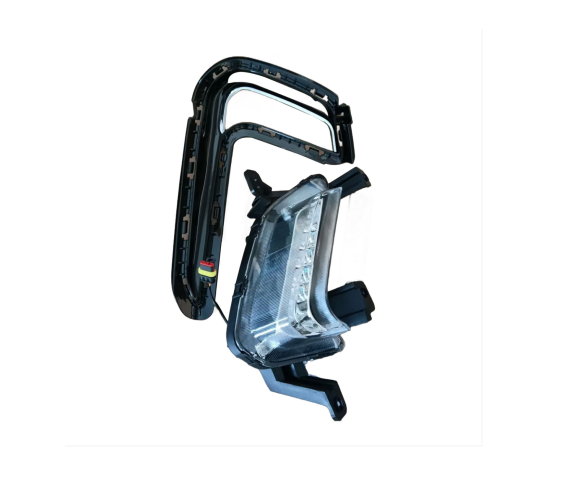
Poor weather conditions present significant challenges for drivers worldwide, with reduced visibility being one of the most dangerous factors contributing to traffic accidents. When atmospheric conditions deteriorate due to fog, rain, snow, or dust storms, standard vehicle headlights often prove inadequate for maintaining safe driving visibility. Fog lights serve as essential safety equipment designed specifically to cut through these challenging atmospheric conditions and provide drivers with enhanced illumination where they need it most.
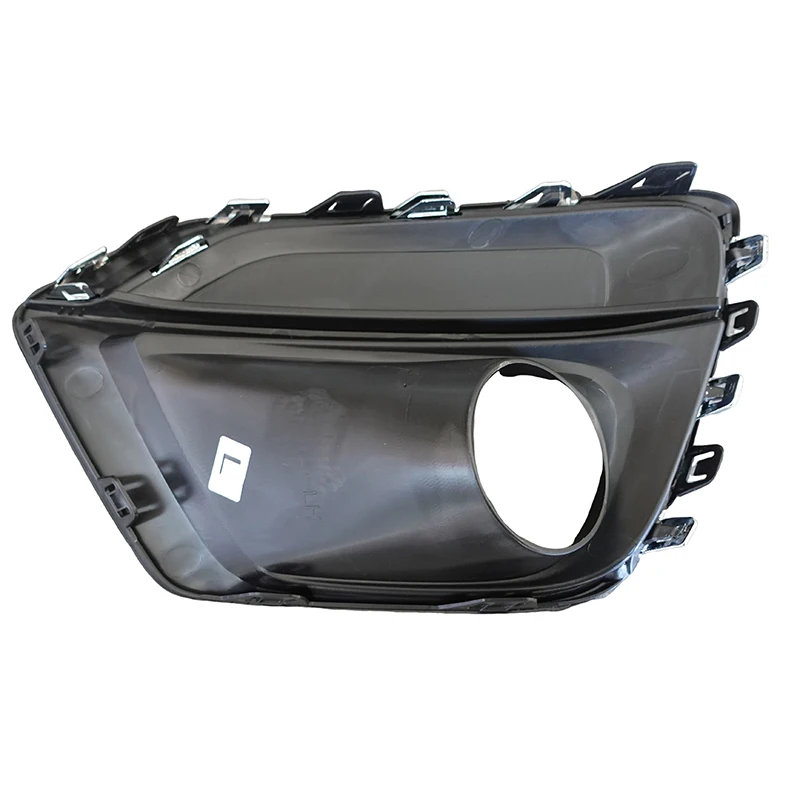
The engineering principles behind fog lights differ substantially from conventional headlight systems, making them uniquely effective in adverse weather scenarios. Unlike standard headlights that project light upward and forward in a broad pattern, fog lights are positioned lower on the vehicle and emit a wide, flat beam that stays close to the road surface. This strategic placement and beam pattern help drivers navigate safely through conditions that would otherwise severely compromise their ability to see road markings, obstacles, and other vehicles.
Understanding the Science Behind Fog Light Technology
Beam Pattern and Light Distribution
The effectiveness of fog lights stems from their carefully engineered beam pattern that addresses the specific challenges posed by atmospheric particles. Traditional headlights create a cone-shaped light pattern that extends upward and forward, which can actually worsen visibility in foggy conditions by reflecting light back toward the driver. Fog lights employ a horizontal cutoff design that prevents light from traveling upward into the fog layer, instead directing illumination along the road surface where it provides maximum benefit.
Modern fog lights utilize advanced reflector systems and lens technologies to achieve optimal light distribution. The parabolic reflector design ensures that light rays are precisely controlled and focused into the desired pattern. This engineering approach minimizes glare while maximizing the useful illumination that reaches the road ahead. The result is a lighting system that works harmoniously with atmospheric conditions rather than fighting against them.
Color Temperature and Wavelength Selection
The color characteristics of fog lights play a crucial role in their effectiveness during poor weather conditions. Many fog lights produce light with a yellowish tint, typically around 3000K to 4300K color temperature, which penetrates atmospheric particles more effectively than pure white or blue-tinted light. This warmer color temperature reduces scattering and provides better contrast against fog, rain, and snow.
Scientific research has demonstrated that longer wavelengths of light, such as those in the yellow spectrum, experience less scattering when encountering water droplets and other particles in the atmosphere. This physical principle, known as Rayleigh scattering, explains why fog lights with amber or yellow lenses can provide superior performance compared to standard white headlights in challenging weather conditions.
Strategic Positioning and Mounting Considerations
Low-Mounted Installation Benefits
The positioning of fog lights near the bottom of the vehicle serves multiple important functions in enhancing driving safety during poor weather conditions. This low mounting position takes advantage of the fact that fog and other atmospheric particles tend to be less dense closer to the ground. By directing light from this lower vantage point, fog lights can often illuminate areas beneath the thickest part of the fog layer.
Additionally, the low mounting position of fog lights helps illuminate road markings, lane dividers, and the road edge more effectively than higher-mounted lighting systems. This ground-level illumination proves invaluable when drivers need to maintain proper lane positioning and navigate curves or intersections in limited visibility conditions. The strategic positioning also reduces the likelihood of light reflecting back from atmospheric particles directly into the driver's field of vision.
Integration with Vehicle Aerodynamics
Modern fog lights are designed to integrate seamlessly with vehicle aerodynamics and styling while maintaining their functional effectiveness. Automotive engineers carefully consider the placement of fog lights to minimize air turbulence and drag while ensuring optimal light output. The housing design often incorporates aerodynamic principles that help direct airflow around the lighting unit.
The integration process also involves thermal management considerations, as fog lights generate significant heat during operation. Proper ventilation and heat dissipation systems ensure that fog lights maintain consistent performance even during extended use in challenging weather conditions. This thermal management is particularly important for LED and HID fog lights, which require stable operating temperatures for optimal longevity and light output.
Types and Technologies in Modern Fog Light Systems
Halogen Fog Light Solutions
Halogen fog lights remain one of the most popular and cost-effective solutions for enhancing visibility in poor weather conditions. These systems utilize a tungsten filament enclosed in a halogen gas-filled bulb, producing warm, penetrating light that performs well in foggy conditions. Halogen fog lights offer reliable performance, easy replacement, and compatibility with most vehicle electrical systems.
The warm color temperature produced by halogen fog lights, typically around 3200K, provides excellent contrast against fog and precipitation. This technology has been refined over decades of automotive use, resulting in reliable and proven performance characteristics. Halogen fog lights also offer the advantage of instant full brightness when activated, without the warm-up period required by some other lighting technologies.
LED and Advanced Lighting Technologies
Light-emitting diode (LED) fog lights represent the latest advancement in automotive lighting technology, offering numerous advantages over traditional halogen systems. LED fog lights provide superior energy efficiency, longer service life, and more precise control over light output and beam pattern. These characteristics make LED fog lights an increasingly popular choice for both original equipment and aftermarket applications.
The instant-on capability of LED fog lights provides immediate illumination when weather conditions deteriorate suddenly. Unlike halogen bulbs, LED fog lights produce minimal heat, reducing the risk of lens fogging or cracking due to thermal stress. Advanced LED fog lights can also incorporate multiple lighting elements and smart control systems that adjust light output based on driving conditions and vehicle speed.
Proper Usage and Driving Techniques
When to Activate Fog Lights
Understanding when to properly activate fog lights is essential for maximizing their safety benefits while avoiding unnecessary glare for other drivers. Fog lights should be used when visibility is significantly reduced due to fog, heavy rain, snow, or dust storms. The general rule is to activate fog lights when visibility drops below 100 meters or when standard headlights alone are insufficient for safe driving.
It is important to deactivate fog lights when weather conditions improve, as their low, wide beam pattern can create glare for oncoming drivers in clear conditions. Many jurisdictions have specific regulations governing fog light usage, and drivers should familiarize themselves with local laws to ensure proper compliance. Proper fog light usage demonstrates consideration for other road users while maximizing the safety benefits these systems provide.
Combining Fog Lights with Other Safety Systems
Fog lights work most effectively when used in conjunction with other vehicle safety systems and defensive driving techniques. Reducing speed, increasing following distance, and using hazard lights when appropriate all complement the enhanced visibility provided by fog lights. Modern vehicles may also incorporate automatic fog light activation systems that respond to ambient light sensors and weather detection systems.
The integration of fog lights with advanced driver assistance systems (ADAS) represents an emerging trend in automotive safety technology. These systems can automatically adjust fog light intensity and activation based on real-time weather conditions and traffic situations. Such integration helps ensure that fog lights provide optimal performance while minimizing the potential for driver distraction or error.
Maintenance and Performance Optimization
Regular Inspection and Cleaning Procedures
Maintaining fog lights in optimal condition requires regular inspection and cleaning to ensure maximum light output and beam quality. Road debris, salt, mud, and other contaminants can significantly reduce the effectiveness of fog lights by blocking or scattering light output. Regular cleaning with appropriate automotive cleaners helps maintain the clarity of fog light lenses and reflectors.
Inspection procedures should include checking for cracks, chips, or clouding in the fog light lens, as these defects can scatter light and reduce effectiveness. The mounting hardware should also be inspected to ensure proper alignment and secure attachment. Proper alignment is crucial for fog lights, as even minor misalignment can significantly impact their ability to illuminate the road surface effectively.
Replacement and Upgrade Considerations
When fog lights require replacement, drivers have the opportunity to upgrade to more advanced technologies that offer improved performance and longevity. Modern replacement fog lights may incorporate LED technology, improved reflector designs, or enhanced lens coatings that provide better light transmission and durability. These upgrades can significantly enhance the safety benefits provided by fog lights.
Professional installation of replacement or upgrade fog lights ensures proper electrical integration and alignment. Qualified technicians can also verify that new fog lights comply with applicable regulations and vehicle specifications. This professional approach helps maximize the safety benefits while ensuring long-term reliability and performance of the fog light system.
FAQ
How do fog lights differ from regular headlights in terms of functionality
Fog lights differ from regular headlights primarily in their beam pattern, mounting position, and light distribution. While headlights project light upward and forward in a broad cone pattern, fog lights emit a wide, flat beam that stays close to the road surface. This difference in beam pattern allows fog lights to illuminate the road without reflecting light back from atmospheric particles, making them much more effective in foggy, rainy, or snowy conditions.
Can fog lights be used during normal clear weather conditions
Fog lights should generally not be used during clear weather conditions as they can create glare for oncoming drivers and may violate local traffic regulations. Most jurisdictions have specific laws that restrict fog light usage to conditions of reduced visibility such as fog, heavy rain, or snow. Using fog lights inappropriately can result in traffic citations and poses a safety risk to other drivers due to their low, wide beam pattern.
What is the optimal color temperature for fog lights in poor weather
The optimal color temperature for fog lights typically ranges from 3000K to 4300K, producing a warm yellow to amber light. This warmer color temperature penetrates atmospheric particles more effectively than cooler, blue-tinted light because longer wavelengths experience less scattering when encountering water droplets and other particles. This scientific principle makes amber or yellow fog lights more effective than pure white lights in challenging weather conditions.
How often should fog lights be inspected and maintained
Fog lights should be inspected monthly and cleaned as needed to maintain optimal performance. Regular inspection should include checking for proper alignment, secure mounting, clear lenses, and proper electrical function. More thorough maintenance, including bulb replacement and electrical system checks, should be performed annually or according to manufacturer recommendations. Proper maintenance ensures that fog lights provide maximum safety benefits when needed most during challenging weather conditions.