 EN
EN

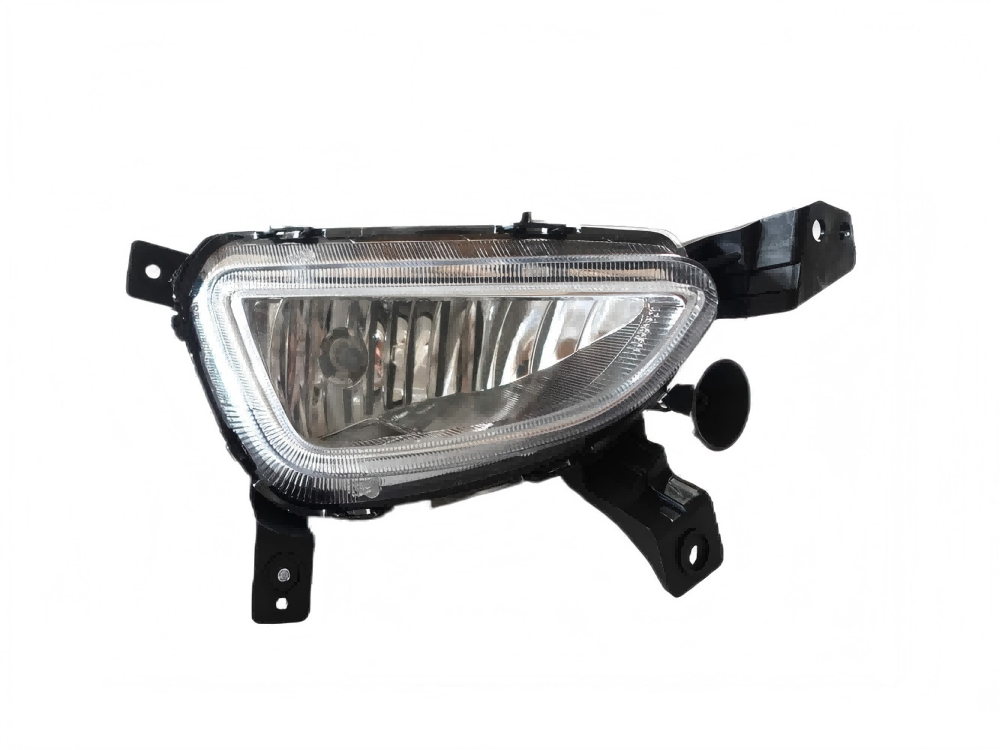
Driving in challenging weather conditions requires the right equipment to ensure maximum visibility and safety. Modern automotive fog lights have evolved significantly from their early halogen counterparts, with LED technology revolutionizing how drivers navigate through dense fog, heavy rain, and low-light situations. These specialized lighting systems cut through atmospheric moisture and particles more effectively than standard headlights, providing a focused beam pattern that illuminates the road immediately ahead without creating dangerous glare.
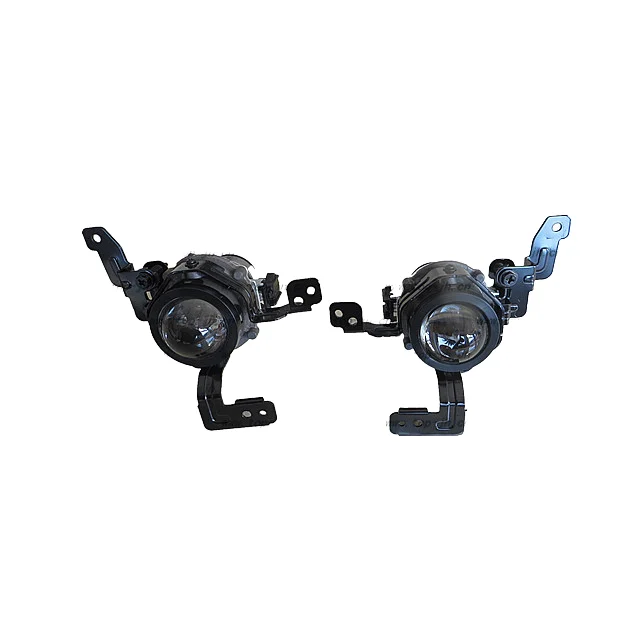
The automotive lighting industry has witnessed remarkable advancements in recent years, particularly in the development of energy-efficient LED fog lights that deliver superior performance while consuming less power. Professional drivers and safety-conscious motorists increasingly recognize the critical importance of proper auxiliary lighting systems during adverse weather conditions. Understanding the technical specifications, installation requirements, and performance characteristics of different fog light options enables drivers to make informed decisions about upgrading their vehicle's lighting capabilities.
Understanding LED Fog Light Technology
Core Components and Construction
Modern LED fog lights incorporate advanced semiconductor technology that produces intense, focused illumination while maintaining exceptional energy efficiency. The light-emitting diodes generate photons through electroluminescence, creating a stable light output that remains consistent across varying temperature conditions. High-quality fog lights feature precision-engineered reflectors and lenses designed to create the optimal beam pattern for penetrating atmospheric moisture and debris.
The housing construction of premium fog lights utilizes durable materials such as polycarbonate lenses and aluminum heat sinks to ensure long-term reliability. Advanced thermal management systems prevent LED degradation by efficiently dissipating heat generated during operation. These components work together to create lighting systems that can withstand harsh environmental conditions while maintaining peak performance throughout their operational lifespan.
Optical Design and Beam Patterns
The effectiveness of fog lights depends heavily on their optical design and the specific beam pattern they produce. Unlike standard headlights that project light upward and forward, fog lights create a wide, low-mounted beam that stays close to the road surface. This design principle minimizes the reflection of light off water droplets and fog particles suspended in the air, reducing glare and improving visibility.
Professional-grade fog lights employ sophisticated reflector geometries and lens technologies to achieve precise beam control. The ideal fog light beam pattern extends approximately 30 to 40 feet ahead of the vehicle while providing excellent side-to-side coverage. This configuration allows drivers to see lane markings, road edges, and potential hazards without creating excessive backscatter that could impair vision.
Performance Benefits in Adverse Conditions
Enhanced Visibility During Rainfall
Heavy rainfall creates unique visibility challenges that standard headlights cannot adequately address. Water droplets act like tiny prisms, scattering and reflecting light in multiple directions, which can create a wall of glare that obscures the road ahead. Quality fog lights positioned low on the vehicle produce a focused beam that travels beneath the heaviest concentration of rain droplets, providing clearer visibility of the road surface and lane markings.
The low-mounted position of fog lights also helps illuminate road surface conditions that may be obscured by standing water or wet pavement. This capability proves invaluable when navigating through puddles, identifying road debris, or detecting changes in pavement texture that could indicate hazardous conditions. Professional drivers often report significantly improved confidence and reaction times when equipped with properly functioning auxiliary lighting systems.
Fog Penetration Capabilities
Dense fog presents perhaps the most challenging driving conditions, with visibility sometimes reduced to mere feet ahead of the vehicle. Standard headlights become counterproductive in thick fog, as their upward-angled beams create a bright wall of reflected light that actually reduces visibility. fog lights address this problem by projecting their beam pattern low and wide, staying beneath the thickest fog layer where visibility is typically better.
The wavelength characteristics of LED fog lights also contribute to their effectiveness in foggy conditions. Certain LED color temperatures can penetrate atmospheric moisture more effectively than others, with many drivers preferring warmer color temperatures around 3000K to 4000K for optimal fog penetration. This scientific approach to light wavelength selection represents a significant advancement over traditional halogen fog lights that offered limited spectral options.
Installation and Integration Considerations
Mounting Options and Requirements
Proper installation of fog lights requires careful consideration of mounting height, angle, and beam alignment to achieve optimal performance. Most automotive fog lights mount between 12 and 30 inches above the road surface, with the exact height depending on vehicle design and local regulations. The mounting hardware must provide secure attachment while allowing for precise beam adjustment to ensure proper illumination patterns.
Professional installation typically involves integrating the fog lights with the vehicle's existing electrical system through dedicated switches and relay circuits. Modern fog lights often include pre-wired harnesses that simplify the installation process while ensuring proper electrical connections. Some advanced systems integrate with the vehicle's computer systems to provide automatic activation based on weather conditions or driving modes.
Electrical System Integration
Contemporary automotive fog lights require proper electrical integration to function safely and reliably within the vehicle's power management system. LED fog lights typically draw significantly less current than traditional halogen alternatives, reducing strain on the charging system and battery. However, proper wiring practices and appropriate fuse protection remain essential for safe operation and compliance with automotive electrical standards.
Many modern vehicles include factory provisions for fog light installation, complete with pre-installed wiring harnesses and switch controls. These factory-ready systems ensure seamless integration and maintain warranty coverage while providing professional-grade performance. Aftermarket installations require careful attention to wire routing, connector selection, and weather sealing to prevent electrical issues and ensure long-term reliability.
Selecting the Right Fog Light System
Technical Specifications and Performance Metrics
Choosing the appropriate fog lights involves evaluating several key technical specifications that directly impact performance and compatibility. Light output, measured in lumens, indicates the total amount of light produced, while the beam pattern determines how effectively that light illuminates the intended area. Professional-grade fog lights typically produce between 1000 and 3000 lumens per lamp, with the exact output depending on LED configuration and optical design.
Color temperature, measured in Kelvin, affects both visibility and aesthetic appearance of the fog lights. Lower color temperatures around 3000K produce warm, amber-tinted light that penetrates fog effectively but may not match modern headlight colors. Higher color temperatures between 4000K and 6000K provide whiter light that complements contemporary LED headlights while still offering good atmospheric penetration capabilities.
Durability and Weather Resistance
Automotive fog lights must withstand extreme environmental conditions including temperature fluctuations, moisture exposure, road salt, and physical impacts from road debris. High-quality fog lights feature IP67 or IP68 weatherproof ratings, indicating complete protection against dust ingress and temporary submersion in water. The housing materials and sealing systems must maintain integrity throughout years of exposure to harsh conditions.
Vibration resistance represents another critical durability factor, as fog lights mounted low on the vehicle experience significant mechanical stress from road irregularities and wind forces. Premium fog lights incorporate shock-absorbing mounting systems and robust internal component securing methods to prevent damage from constant vibration exposure. These engineering considerations ensure reliable performance throughout the product's operational lifespan.
Maintenance and Optimization
Cleaning and Care Procedures
Maintaining optimal performance from automotive fog lights requires regular cleaning and inspection to remove accumulated dirt, salt, and debris that can reduce light output and compromise beam patterns. The low mounting position of fog lights makes them particularly susceptible to contamination from road spray and splashing. Regular cleaning with appropriate automotive glass cleaners and soft cloths helps maintain maximum light transmission through the lens surfaces.
Inspection procedures should include checking the lens condition for cracks or cloudiness that could indicate UV damage or impact damage. The mounting hardware requires periodic tightening to prevent loosening from vibration, and electrical connections benefit from occasional inspection to ensure clean, corrosion-free contacts. These simple maintenance steps significantly extend the operational life and performance of fog light systems.
Performance Optimization Techniques
Achieving maximum effectiveness from fog lights involves proper beam alignment and periodic adjustment to maintain optimal illumination patterns. The beam should be positioned to provide maximum road coverage without creating glare for oncoming traffic or reflecting excessively off wet pavement. Professional alignment services use specialized equipment to ensure precise beam positioning according to manufacturer specifications and local regulations.
Advanced fog light systems may include adjustable beam patterns or multiple operating modes that can be optimized for different driving conditions. Understanding how to properly utilize these features enhances safety and visibility while reducing unnecessary power consumption. Some modern fog lights incorporate adaptive beam technology that automatically adjusts intensity and pattern based on ambient conditions and vehicle speed.
FAQ
What makes LED fog lights more effective than halogen versions
LED fog lights offer several advantages over traditional halogen alternatives, including significantly higher energy efficiency, longer operational life, and more precise beam control. LEDs produce less heat while generating more light output, resulting in better performance and reduced strain on the vehicle's electrical system. The solid-state construction of LEDs also provides superior vibration resistance and faster response times compared to filament-based halogen bulbs.
How do I determine the correct mounting height for fog lights
The optimal mounting height for fog lights typically ranges between 12 and 30 inches above the road surface, depending on your vehicle's design and local regulations. Most manufacturers recommend mounting fog lights as low as practically possible while maintaining adequate ground clearance to avoid damage from road debris. The beam should be aimed to illuminate the road surface approximately 25 to 40 feet ahead of the vehicle without creating excessive glare for oncoming traffic.
Can fog lights be used as daytime running lights
While some fog lights can function as daytime running lights, this depends on local regulations and the specific design of the lighting system. Many modern fog lights include dedicated DRL functionality with reduced power output for daytime use. However, using fog lights inappropriately during clear weather conditions may violate local traffic laws and create unnecessary glare for other drivers. Always consult local regulations and manufacturer recommendations before using fog lights as daytime running lights.
How often should fog lights be inspected and maintained
Fog lights should be inspected monthly for cleanliness, proper alignment, and secure mounting, with more frequent checks during winter months when road conditions are harsh. The lens surfaces require cleaning whenever they become dirty or contaminated to maintain optimal light output. Annual professional inspection of electrical connections and beam alignment helps ensure continued safe and effective operation throughout the fog lights' service life.