 EN
EN


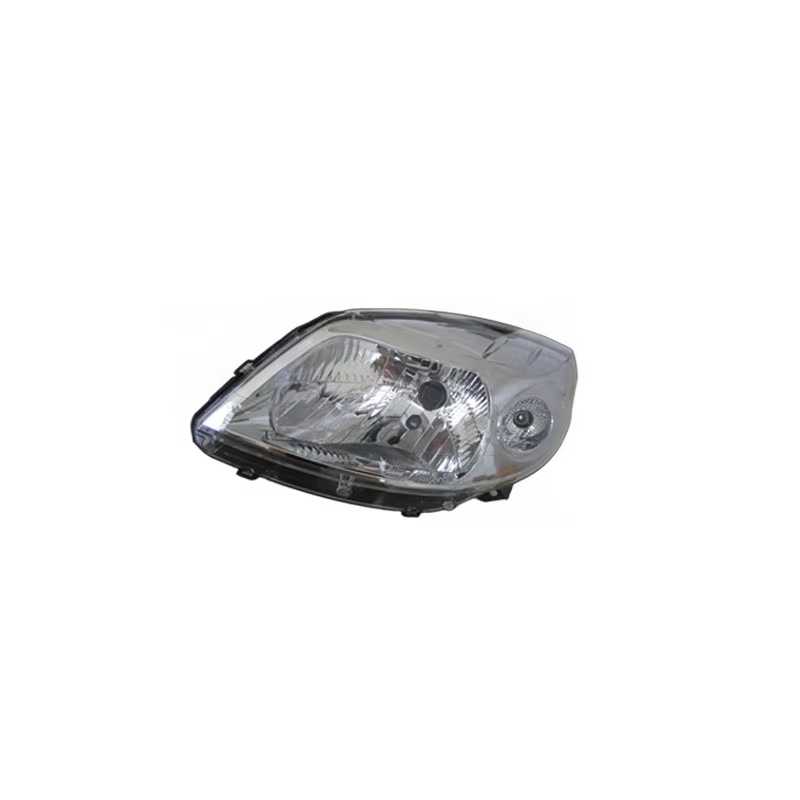
Modern automotive lighting technology has revolutionized the way drivers navigate through challenging road conditions, with adaptive head lamps emerging as one of the most significant safety innovations in recent years. These intelligent lighting systems automatically adjust beam patterns, intensity, and direction based on driving conditions, vehicle speed, and steering input. The question of whether adaptive head lamps are worth the investment has become increasingly relevant as more manufacturers integrate this technology into their vehicles, promising enhanced visibility and improved safety for drivers worldwide.
Understanding Adaptive Head Lamp Technology
Core Components and Functionality
Adaptive head lamps represent a sophisticated integration of sensors, actuators, and electronic control units that work together to optimize illumination patterns. The system typically includes steering angle sensors, speed sensors, ambient light detectors, and sometimes GPS data to predict upcoming curves. These components communicate with the lighting control module to adjust the headlight beam in real-time, ensuring optimal road illumination without blinding oncoming traffic.
The mechanical components of adaptive head lamps often feature motorized reflectors or LED arrays that can pivot horizontally and sometimes vertically. High-end systems incorporate multiple LED segments that can be individually controlled, allowing for precise beam shaping. This technology enables the creation of complex lighting patterns that can illuminate the road ahead while creating shadow zones around oncoming vehicles or pedestrians.
Types of Adaptive Lighting Systems
Several variations of adaptive head lamps exist in today's automotive market, each offering different levels of sophistication and functionality. Basic adaptive systems focus primarily on cornering assistance, where the headlights swivel to follow the steering direction. More advanced systems include dynamic beam adjustment, which modifies the light distribution pattern based on traffic conditions and road geometry.
Matrix LED technology represents the pinnacle of adaptive lighting, featuring arrays of individually controllable LED elements. These systems can create highly precise light patterns, effectively carving out dark zones around other road users while maintaining maximum illumination everywhere else. Some premium adaptive head lamps even incorporate laser technology for extended range and improved energy efficiency.
Safety Benefits and Performance Advantages
Enhanced Visibility in Various Conditions
The primary advantage of adaptive head lamps lies in their ability to provide superior visibility across diverse driving scenarios. During cornering, traditional fixed headlights often leave the inside of curves in darkness, creating potential blind spots. Adaptive systems actively follow the vehicle's path, illuminating the road ahead where the driver intends to go rather than where the vehicle currently points.
Weather conditions significantly impact driving safety, and adaptive head lamps excel in providing optimized illumination during rain, fog, and snow. The systems can automatically adjust beam intensity and pattern to minimize glare from precipitation while maximizing road surface visibility. This adaptive capability reduces eye strain and fatigue during extended driving in challenging weather conditions.
Accident Prevention and Driver Confidence
Statistical data from various automotive safety organizations indicates that adaptive head lamps contribute to significant reductions in nighttime accidents. The improved illumination patterns help drivers detect pedestrians, cyclists, and road hazards earlier, providing additional reaction time. This enhanced visibility translates to increased driver confidence, particularly during night driving or in unfamiliar areas.
The technology also benefits other road users by reducing glare-related incidents. Traditional high beams often create uncomfortable or dangerous glare for oncoming drivers, leading many to avoid using them altogether. Adaptive systems maintain optimal illumination while automatically managing glare, encouraging more effective use of available lighting technology without compromising the safety of other road users.
Economic Considerations and Cost Analysis
Initial Investment and Installation Costs
The financial aspect of upgrading to adaptive head lamps requires careful consideration, as the technology typically commands a significant premium over conventional lighting systems. Factory-installed adaptive head lamps can add several thousand dollars to a vehicle's purchase price, depending on the manufacturer and system sophistication. Aftermarket installations may offer cost savings but often require professional installation to ensure proper integration with vehicle systems.
Beyond the initial purchase price, adaptive head lamps may require specialized maintenance and calibration procedures. The complex electronic components and sensors need periodic alignment checks, particularly after accidents or significant vehicle modifications. These maintenance requirements can result in higher long-term ownership costs compared to traditional headlight systems.
Long-term Value and Insurance Benefits
Despite higher upfront costs, adaptive head lamps may provide long-term financial benefits through reduced accident risks and potential insurance discounts. Many insurance companies recognize the safety benefits of advanced lighting technology and offer premium reductions for vehicles equipped with adaptive systems. The improved visibility and accident prevention capabilities can also help maintain vehicle value by reducing the likelihood of collision damage.
Energy efficiency represents another economic advantage of modern adaptive head lamps, particularly LED-based systems. These technologies consume less power than traditional halogen or HID systems while providing superior illumination. Reduced electrical load can contribute to improved fuel economy and reduced strain on the vehicle's charging system, providing modest but measurable long-term savings.
Installation and Compatibility Factors
Vehicle-Specific Requirements
Successful implementation of adaptive head lamps depends heavily on vehicle compatibility and proper integration with existing systems. Modern adaptive lighting requires connection to various vehicle sensors and control modules, including the steering system, ABS sensors, and navigation systems. Vehicles lacking these prerequisite systems may require additional modifications or may not be suitable candidates for adaptive head lamp upgrades.
Electrical system capacity represents another critical consideration, as adaptive head lamps often require more sophisticated wiring harnesses and control modules. Older vehicles may need electrical system upgrades to support the increased power demands and communication requirements of advanced lighting systems. Professional assessment of vehicle compatibility is essential before committing to an adaptive lighting upgrade.
Professional Installation and Calibration
The complexity of adaptive head lamps necessitates professional installation and calibration to ensure optimal performance and safety. Proper alignment of sensors and actuators is critical for accurate beam positioning and response timing. Incorrect installation can result in poor performance, premature component failure, or even safety hazards due to improper beam patterns.
Calibration procedures for adaptive head lamps often require specialized diagnostic equipment and software to properly configure the system parameters. These procedures ensure that the lighting system responds appropriately to various driving conditions and integrates seamlessly with other vehicle safety systems. Regular recalibration may be necessary to maintain optimal performance throughout the system's operational life.
Market Trends and Future Developments
Technology Evolution and Integration
The adaptive head lamps market continues to evolve rapidly, with manufacturers developing increasingly sophisticated systems that integrate with other vehicle technologies. Future developments include integration with autonomous driving systems, where adaptive lighting works in conjunction with vehicle sensors to predict and prepare for upcoming road conditions. This integration promises even greater safety benefits and more intuitive operation.
Communication between vehicles represents another frontier for adaptive lighting technology. Vehicle-to-vehicle and vehicle-to-infrastructure communication systems could enable adaptive head lamps to receive information about upcoming traffic conditions, construction zones, or weather patterns. This advanced integration would allow the lighting system to prepare optimal illumination patterns before the driver encounters changing conditions.
Regulatory Environment and Standards
Government regulations and safety standards continue to evolve to accommodate and encourage adaptive head lamp adoption. Many regions have updated their lighting regulations to permit advanced beam patterns and automatic high beam functionality. These regulatory changes remove barriers to adaptive lighting implementation while establishing safety standards for system performance and reliability.
International harmonization of adaptive lighting standards facilitates broader adoption and reduces development costs for manufacturers. Standardized testing procedures and performance requirements ensure that adaptive head lamps meet consistent safety and functionality criteria across different markets. This regulatory clarity encourages continued investment in adaptive lighting technology development and deployment.
Comparing Traditional vs Adaptive Systems
Performance Differences in Real-World Scenarios
Direct comparison between traditional and adaptive head lamps reveals significant performance differences across various driving scenarios. Traditional fixed headlights provide consistent illumination patterns regardless of driving conditions, which can result in over-illumination in some areas and under-illumination in others. Adaptive systems dynamically optimize light distribution, providing illumination precisely where needed while avoiding waste or glare.
Cornering performance represents one of the most noticeable differences between traditional and adaptive systems. While conventional headlights continue to illuminate straight ahead during turns, adaptive head lamps follow the vehicle's intended path. This capability is particularly valuable on winding roads, rural highways, and urban intersections where visibility around corners is crucial for safety.
Maintenance and Reliability Considerations
Traditional headlight systems benefit from mechanical simplicity and proven reliability, with fewer electronic components subject to failure. Adaptive head lamps incorporate complex sensors, actuators, and control systems that may require more frequent maintenance and have higher failure rates. However, modern adaptive systems have demonstrated improved reliability as the technology has matured and manufacturing processes have been refined.
Component replacement costs differ significantly between traditional and adaptive systems. Traditional headlight bulbs or basic LED units are relatively inexpensive and widely available. Adaptive head lamp components, particularly sophisticated matrix LED arrays or laser modules, command premium prices and may require specialized sourcing. These factors contribute to higher total cost of ownership for adaptive systems.
FAQ
How much do adaptive head lamps typically cost to install
The cost of adaptive head lamps varies significantly depending on the system type and vehicle compatibility. Factory-installed systems typically add between $2,000 and $8,000 to the vehicle price, while aftermarket installations can range from $1,500 to $5,000 plus professional installation fees. Premium matrix LED or laser-based adaptive systems command the highest prices due to their advanced technology and sophisticated control systems.
Can adaptive head lamps be installed on older vehicles
Installing adaptive head lamps on older vehicles is possible but may require extensive modifications to the electrical system and integration with various sensors. Vehicles manufactured before 2010 often lack the necessary electronic infrastructure to support advanced adaptive lighting features. Professional assessment is essential to determine compatibility and estimate the total cost of necessary modifications for successful installation.
Do adaptive head lamps require special maintenance procedures
Adaptive head lamps require more sophisticated maintenance compared to traditional systems, including periodic sensor calibration, software updates, and alignment checks. These procedures typically need specialized diagnostic equipment and trained technicians familiar with the specific system. Regular maintenance intervals may be shorter than traditional headlights, and repair costs are generally higher due to the complexity of electronic components.
Are adaptive head lamps legal in all regions
Adaptive head lamp legality varies by region and continues to evolve as regulations update to accommodate new technology. Most developed markets including North America, Europe, and Japan have approved various forms of adaptive lighting technology. However, specific features like matrix LED beam patterns or laser high beams may have regional restrictions. Vehicle owners should verify local regulations before installing or activating certain adaptive lighting features.