 EN
EN


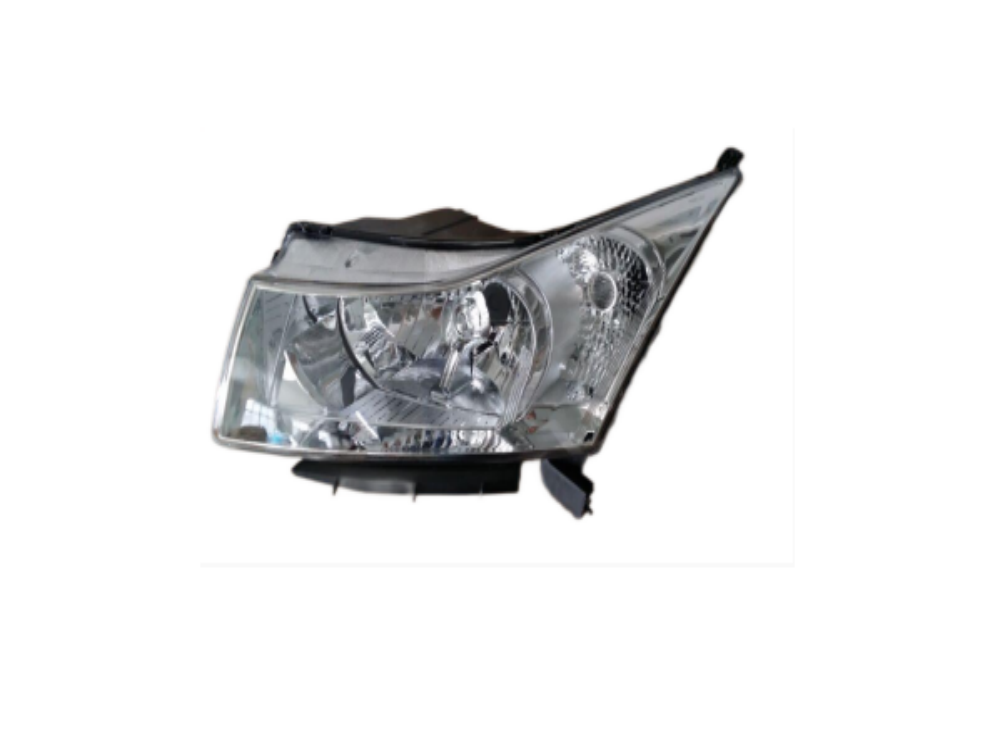
Automotive safety relies heavily on proper illumination, and selecting the right head lamp can significantly impact your driving experience. Modern vehicles demand advanced lighting solutions that provide superior visibility while maintaining energy efficiency and durability. Whether you're upgrading your current lighting system or replacing damaged components, understanding the features and benefits of quality head lamps is essential for making an informed decision.
The automotive lighting industry has evolved dramatically over the past decade, with LED technology revolutionizing how we approach vehicle illumination. A high-quality head lamp not only enhances safety during nighttime driving but also improves the overall aesthetic appeal of your vehicle. These advanced lighting systems offer extended lifespan, reduced power consumption, and superior light output compared to traditional halogen alternatives.
Professional installation and proper maintenance of your head lamp system ensure optimal performance throughout its operational life. Regular inspection and timely replacement of worn components prevent potential safety hazards and maintain compliance with vehicle safety regulations. Understanding the technical specifications and compatibility requirements helps drivers select the most suitable lighting solution for their specific vehicle model and driving conditions.
Advanced LED Technology in Modern Headlights
Superior Light Output and Distribution
LED head lamp technology delivers exceptional brightness and uniform light distribution patterns that significantly enhance road visibility. These advanced systems generate precise beam patterns that illuminate the road ahead without causing glare for oncoming traffic. The controlled light distribution ensures optimal coverage of both near and far distances, providing drivers with clear visibility of road signs, obstacles, and lane markings.
Modern LED head lamp assemblies incorporate sophisticated optical designs that maximize light efficiency while minimizing power consumption. The precision-engineered reflectors and lenses work together to create focused beam patterns that penetrate darkness effectively. This technological advancement results in improved reaction times for drivers and enhanced safety for all road users.
Energy Efficiency and Environmental Benefits
Contemporary head lamp systems utilizing LED technology consume significantly less electrical power compared to traditional lighting solutions. This reduced power draw translates to improved fuel efficiency and reduced strain on the vehicle's electrical system. The lower energy consumption also contributes to reduced carbon emissions, supporting environmental sustainability initiatives within the automotive industry.
The extended operational lifespan of LED head lamp components reduces the frequency of replacements, minimizing waste generation and long-term maintenance costs. These durable lighting systems maintain consistent performance throughout their service life, ensuring reliable illumination without gradual degradation that affects visibility quality.
Installation and Compatibility Considerations
Vehicle-Specific Design Requirements
Selecting the appropriate head lamp requires careful consideration of your vehicle's specific design requirements and electrical specifications. Each automotive manufacturer implements unique mounting systems, connector configurations, and dimensional requirements that must be matched precisely for proper installation. Professional assessment ensures compatibility with existing wiring harnesses and control systems.
The integration of modern head lamp technology with vehicle safety systems requires adherence to manufacturer specifications and regulatory standards. Proper installation maintains the integrity of advanced driver assistance systems that rely on precise headlight positioning and beam patterns. This attention to detail ensures optimal performance of safety features while preserving warranty coverage.
Professional Installation Benefits
Expert installation of your head lamp system guarantees proper alignment, secure mounting, and optimal electrical connections. Professional technicians possess the specialized tools and knowledge required to perform precise adjustments that maximize lighting performance. This expertise prevents common installation errors that could compromise safety or damage expensive components.
Certified installation also ensures compliance with local regulations and safety standards, protecting drivers from potential legal issues or insurance complications. Professional service includes comprehensive testing and calibration procedures that verify proper operation of all lighting functions and safety features.
Performance Features and Quality Standards
Durability and Weather Resistance
High-quality head lamp assemblies incorporate robust construction materials and advanced sealing technologies that withstand harsh environmental conditions. These durable components resist moisture intrusion, temperature fluctuations, and vibration damage that can compromise lighting performance. The weatherproof design ensures consistent operation in all climatic conditions, from extreme heat to freezing temperatures.
Premium head lamp systems feature corrosion-resistant materials and protective coatings that maintain optical clarity and structural integrity over extended service periods. The enhanced durability reduces maintenance requirements and provides reliable performance throughout the vehicle's operational life. This long-term reliability translates to improved safety and reduced ownership costs.
Optical Performance and Beam Control
Advanced head lamp designs incorporate precision-engineered optical systems that deliver superior beam control and light distribution. These sophisticated components create well-defined cutoff lines that prevent glare while maximizing useful illumination. The optimized beam patterns enhance visibility of road surfaces, signage, and potential hazards without compromising the vision of other drivers.
Modern head lamp technology includes adaptive features that automatically adjust beam patterns based on driving conditions and vehicle speed. These intelligent systems optimize light distribution for various scenarios, including city driving, highway cruising, and adverse weather conditions. The dynamic beam control enhances safety while reducing driver fatigue during extended nighttime driving.
Maintenance and Longevity Optimization
Routine Inspection and Care Procedures
Regular maintenance of your head lamp system ensures optimal performance and extends component lifespan. Periodic inspection should include checking for lens clarity, housing integrity, and proper beam alignment. These routine assessments help identify potential issues before they compromise safety or require expensive repairs.
Proper cleaning techniques preserve optical clarity and prevent premature degradation of protective coatings. Using appropriate cleaning solutions and gentle techniques removes accumulated dirt, insects, and environmental contaminants without damaging sensitive optical surfaces. Regular maintenance preserves the aesthetic appearance while maintaining maximum light output efficiency.
Replacement Timing and Upgrade Opportunities
Understanding the optimal replacement timing for head lamp components helps maintain consistent lighting performance and safety standards. Monitoring light output quality, beam pattern integrity, and housing condition provides indicators for necessary service or replacement. Proactive replacement prevents sudden failures that could compromise safety during critical driving situations.
Upgrading to advanced head lamp technology offers opportunities to enhance vehicle safety, efficiency, and appearance. Modern replacement options provide improved performance characteristics while maintaining compatibility with existing vehicle systems. These upgrades represent valuable investments in safety and driving comfort that benefit both daily commuting and long-distance travel.
FAQ
How often should head lamp components be replaced
LED head lamp systems typically require replacement every 15,000 to 25,000 operating hours, which translates to approximately 10-15 years under normal driving conditions. However, environmental factors, usage patterns, and component quality can influence replacement intervals. Regular inspection helps identify degradation before complete failure occurs.
What factors affect head lamp performance and longevity
Environmental conditions, electrical system stability, installation quality, and maintenance practices significantly impact head lamp performance and lifespan. Exposure to extreme temperatures, moisture, vibration, and electrical fluctuations can accelerate component degradation. Proper installation and regular maintenance optimize performance and extend service life.
Are aftermarket head lamp assemblies compatible with factory systems
Quality aftermarket head lamp assemblies designed for specific vehicle applications maintain compatibility with factory electrical systems and mounting configurations. However, verification of specifications, connector types, and regulatory compliance is essential before installation. Professional assessment ensures proper fit and function with existing vehicle systems.
How do modern head lamp systems enhance driving safety
Advanced head lamp technology improves driving safety through superior light output, precise beam control, and enhanced visibility range. These systems provide better illumination of road surfaces, signs, and potential hazards while minimizing glare for oncoming traffic. The improved visibility enhances reaction times and reduces accident risk during nighttime and adverse weather driving conditions.