 EN
EN


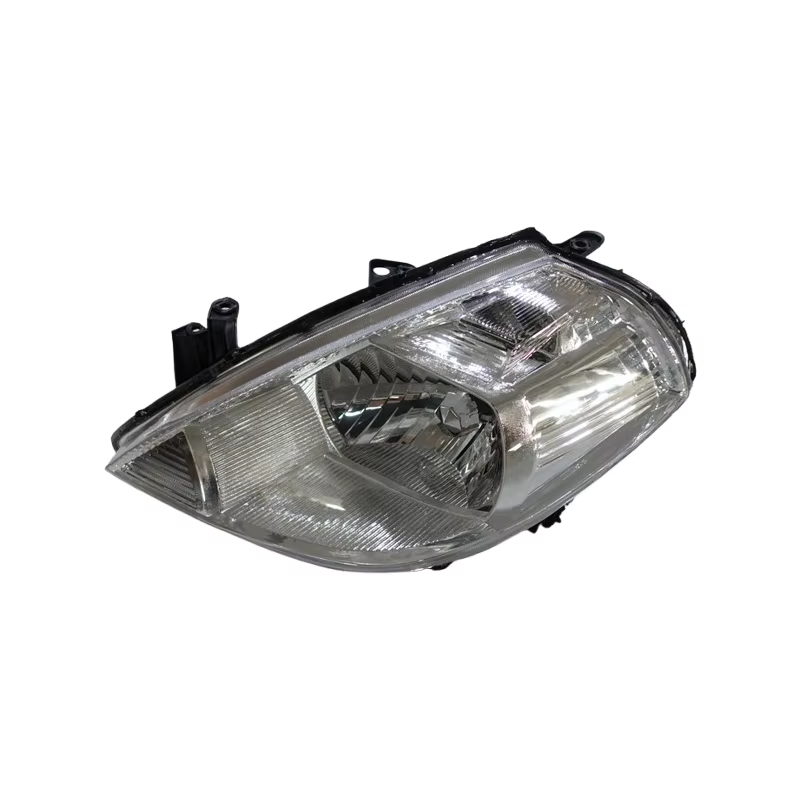
Modern vehicles require sophisticated lighting systems that combine safety, functionality, and aesthetic appeal. The head lamp represents one of the most critical components of automotive design, serving as both a safety feature and a style statement. Today's automotive manufacturers prioritize advanced head lamp technologies that enhance visibility while complementing the vehicle's overall design language. Understanding the various head lamp styles available helps consumers make informed decisions when purchasing or upgrading their vehicle's lighting system.
Evolution of Automotive Head Lamp Technology
Traditional Halogen Systems
Halogen head lamp technology dominated the automotive industry for decades, providing reliable illumination at an affordable cost. These systems utilize tungsten filaments encased in halogen gas-filled bulbs, producing warm white light that effectively illuminates roadways. The traditional halogen head lamp design features straightforward installation procedures and widespread availability of replacement components. However, halogen systems consume more energy compared to modern alternatives and generate significant heat during operation.
Despite technological advances, many vehicle manufacturers continue incorporating halogen head lamp units in entry-level models due to cost considerations. The simplicity of halogen technology ensures consistent performance across various weather conditions and temperature ranges. Modern halogen head lamp designs have evolved to include improved reflector geometries and enhanced lens materials that maximize light output while reducing glare for oncoming traffic.
LED Revolution in Automotive Lighting
Light-emitting diode technology transformed the head lamp industry by offering superior energy efficiency and extended lifespan compared to traditional alternatives. LED head lamp systems produce bright, crisp white light that closely mimics daylight conditions, improving driver visibility and reducing eye strain during nighttime driving. The compact nature of LED components allows automotive designers to create more intricate and visually appealing head lamp configurations.
Modern LED head lamp assemblies incorporate multiple individual diodes arranged in specific patterns to optimize light distribution and beam control. This technology enables manufacturers to create distinctive lighting signatures that become recognizable brand elements. The rapid switching capability of LED head lamp units also facilitates advanced features such as dynamic turn signals and adaptive lighting systems that adjust beam patterns based on driving conditions.
Contemporary Head Lamp Design Trends
Sleek Minimalist Aesthetics
Current automotive design trends favor clean, minimalist head lamp profiles that integrate seamlessly with vehicle body lines. Modern head lamp housings feature reduced visual bulk while maintaining optimal lighting performance through advanced optical engineering. Designers utilize slim LED arrays and sophisticated reflector systems to achieve compact head lamp dimensions without compromising illumination quality.
The minimalist approach to head lamp design emphasizes geometric precision and smooth surface transitions that complement contemporary vehicle styling. These designs often incorporate subtle accent lighting elements that enhance the head lamp's visual impact during both day and night operation. The integration of advanced materials such as polycarbonate lenses and aluminum housings contributes to the refined appearance of modern head lamp assemblies.
Aggressive Sporty Configurations
Performance-oriented vehicles frequently feature bold, aggressive head lamp designs that convey power and dynamism. These sporty head lamp configurations utilize angular geometries, sharp LED accent strips, and distinctive lighting patterns to create an intimidating front-end appearance. The integration of multiple lighting elements within a single head lamp housing allows designers to create complex visual compositions that enhance the vehicle's athletic character.
Aggressive head lamp designs often incorporate specialized optical elements such as projector lenses and precisely controlled beam cutoffs that deliver exceptional performance while maintaining the dramatic visual impact. Advanced manufacturing techniques enable the creation of intricate internal structures that serve both functional and aesthetic purposes within the head lamp assembly.
Advanced Head Lamp Technologies
Adaptive Lighting Systems
Intelligent adaptive head lamp systems represent the cutting edge of automotive lighting technology, automatically adjusting beam patterns and intensity based on driving conditions and environmental factors. These sophisticated systems utilize sensors and electronic control units to optimize head lamp performance for specific scenarios such as highway driving, city navigation, and adverse weather conditions. The adaptive head lamp technology enhances safety by providing optimal illumination while minimizing glare for other road users.
Modern adaptive head lamp systems can pivot and adjust individual LED elements to follow steering inputs and illuminate curved roadways more effectively. This dynamic capability significantly improves visibility during cornering maneuvers and helps drivers identify potential hazards earlier. The integration of GPS data and mapping information further enhances adaptive head lamp functionality by anticipating road conditions and automatically adjusting lighting parameters.
Matrix LED Innovation
Matrix LED head lamp technology utilizes arrays of individually controlled LED elements to create precise beam patterns and eliminate specific areas of illumination. This advanced system can selectively dim or extinguish individual LEDs to prevent glare while maintaining maximum illumination in other areas. The matrix LED head lamp design enables continuous high-beam operation without affecting oncoming traffic or preceding vehicles.
The sophisticated control algorithms governing matrix LED head lamp systems can track multiple vehicles simultaneously and create complex shadow patterns that preserve optimal visibility for the driver. This technology represents a significant advancement in automotive safety and convenience, allowing drivers to benefit from enhanced illumination without compromising the comfort of other road users. The precise control capabilities of matrix LED systems also enable creative lighting effects and brand-specific signatures.
Head Lamp Styling Considerations
Integration with Vehicle Architecture
Successful head lamp design requires careful integration with the overall vehicle architecture to create a cohesive and harmonious appearance. Modern automotive designers consider the head lamp as an integral element of the front-end composition, ensuring proper proportional relationships with other design features such as the grille, bumper, and hood. The head lamp's shape, size, and positioning significantly influence the vehicle's perceived character and brand identity.
Contemporary head lamp designs often extend beyond traditional boundaries, incorporating elements that wrap around fender surfaces or integrate with grille structures. This integrated approach creates visual continuity and enhances the vehicle's sophisticated appearance. The careful consideration of head lamp positioning relative to aerodynamic requirements also contributes to overall vehicle efficiency and performance.
Brand Identity and Recognition
Distinctive head lamp designs serve as powerful brand identification tools that help consumers recognize specific automotive manufacturers from significant distances. Leading automotive brands invest considerable resources in developing unique head lamp signatures that become instantly recognizable design elements. These signature lighting patterns often incorporate specific LED arrangements, accent lighting, or distinctive lens treatments that reinforce brand identity.
The development of recognizable head lamp designs requires balancing functional requirements with aesthetic considerations while maintaining consistency across different vehicle models within a brand's lineup. This consistency helps establish visual coherence within product families while allowing for model-specific variations that reflect different market segments and customer preferences. The evolution of head lamp technology enables manufacturers to create increasingly sophisticated brand signatures that enhance recognition and desirability.
Material Science in Head Lamp Construction
Advanced Lens Materials
Modern head lamp construction relies on advanced materials that provide superior optical properties, durability, and weather resistance compared to traditional glass components. Polycarbonate lenses offer exceptional impact resistance and design flexibility while maintaining excellent optical clarity for optimal light transmission. These materials can be molded into complex geometries that would be difficult or impossible to achieve with conventional glass manufacturing techniques.
The development of specialized coatings for head lamp lenses enhances performance characteristics such as UV resistance, scratch resistance, and anti-reflective properties. These advanced surface treatments help maintain optimal head lamp performance throughout the vehicle's operational lifetime while preserving the aesthetic appearance of the lighting assembly. The integration of nanotechnology coatings provides additional benefits such as self-cleaning properties and improved light transmission efficiency.
Housing and Reflector Innovation
Contemporary head lamp housing construction utilizes lightweight yet durable materials that provide excellent thermal management and structural integrity. Advanced thermoplastic compounds offer superior heat resistance compared to traditional materials while enabling complex internal geometries that optimize light distribution patterns. The integration of aluminum heat sinks within head lamp housings ensures proper thermal management for LED components, maintaining optimal performance and longevity.
Precision-molded reflector surfaces incorporate advanced optical engineering principles to maximize light efficiency and control beam patterns with exceptional accuracy. Modern manufacturing techniques enable the creation of complex three-dimensional reflector geometries that would be prohibitively expensive using traditional production methods. The integration of specialized surface treatments and coatings further enhances reflector performance while providing long-term durability in harsh operating environments.
Installation and Maintenance Best Practices
Professional Installation Considerations
Proper head lamp installation requires adherence to specific procedures and safety protocols to ensure optimal performance and compliance with regulatory requirements. Professional technicians possess the specialized tools and knowledge necessary to correctly align head lamp assemblies and calibrate advanced features such as adaptive lighting systems. The complexity of modern head lamp technology often necessitates computer-based diagnostic equipment for proper installation and configuration.
Installation procedures for contemporary head lamp systems frequently involve electronic programming and calibration sequences that establish proper communication between the lighting assembly and vehicle control systems. These procedures require access to manufacturer-specific diagnostic equipment and software that may not be readily available to general repair facilities. The integration of advanced safety features within modern head lamp systems also requires specialized training and certification for proper installation and service.
Maintenance and Longevity Strategies
Regular maintenance practices significantly extend head lamp lifespan and maintain optimal performance characteristics throughout the vehicle's operational life. Proper cleaning procedures utilizing appropriate cleaning solutions help preserve lens clarity and prevent the accumulation of contaminants that can reduce light output. The inspection of mounting hardware and electrical connections ensures continued reliability and prevents premature failure of head lamp components.
Modern head lamp systems benefit from periodic professional inspection to verify proper alignment and functionality of advanced features such as adaptive lighting and automatic leveling systems. These inspections can identify potential issues before they result in complete system failure or compromise vehicle safety. The replacement of consumable components such as bulbs or filters according to manufacturer recommendations helps maintain optimal head lamp performance and prevents damage to other system components.
FAQ
What factors should I consider when selecting a head lamp style for my vehicle
When selecting a head lamp style, consider your vehicle's design language, driving requirements, and budget constraints. Evaluate whether you prioritize maximum performance, aesthetic appeal, or cost-effectiveness. Modern LED head lamp systems offer superior efficiency and longevity but require higher initial investment compared to traditional halogen alternatives. Consider the availability of replacement parts and service support in your area when making your selection decision.
How do adaptive head lamp systems improve driving safety
Adaptive head lamp systems enhance safety by automatically adjusting beam patterns and intensity based on driving conditions, steering inputs, and environmental factors. These systems can pivot to illuminate curved roadways, adjust for oncoming traffic, and optimize light distribution for various driving scenarios. The technology reduces driver fatigue and improves hazard detection capabilities, particularly during nighttime driving and adverse weather conditions.
What maintenance is required for modern LED head lamp systems
LED head lamp systems require minimal maintenance compared to traditional halogen alternatives, but regular cleaning and inspection remain important for optimal performance. Clean the lens surfaces regularly with appropriate cleaning solutions to maintain light output clarity. Have the systems professionally inspected periodically to verify proper alignment and functionality of advanced features such as adaptive lighting controls and automatic leveling mechanisms.
Can I upgrade my vehicle's existing head lamp system to modern LED technology
Upgrading to modern LED head lamp technology depends on your vehicle's electrical system compatibility and regulatory compliance requirements. Some vehicles can accommodate LED conversion kits, while others may require complete head lamp assembly replacement. Consult with qualified automotive professionals to determine the feasibility and legal requirements for head lamp upgrades in your specific vehicle and jurisdiction before proceeding with modifications.