 EN
EN


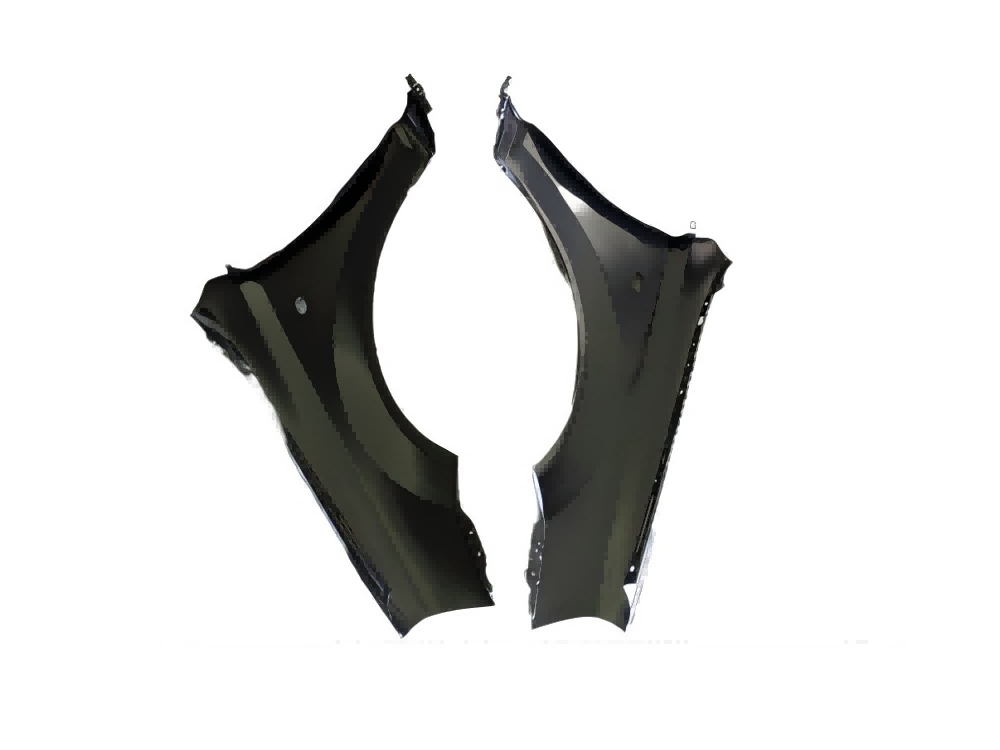
Vehicle protection is a paramount concern for every automotive owner, and understanding the critical role of body panels becomes essential for maintaining both safety and aesthetic appeal. The car side fender serves as one of the most vital protective components in any vehicle's exterior design, acting as the first line of defense against road debris, weather elements, and potential collision impacts. Modern automotive engineering has evolved to recognize that proper fender functionality extends far beyond mere cosmetic enhancement, encompassing structural integrity, aerodynamic efficiency, and comprehensive protection systems that safeguard both passengers and internal mechanical components.
Understanding Car Side Fender Functionality and Design
Primary Protection Mechanisms
The car side fender operates as a sophisticated protective barrier engineered to absorb and deflect various external forces that could otherwise damage critical vehicle components. These panels are strategically positioned to shield wheel wells, suspension components, and internal wiring systems from moisture infiltration, salt corrosion, and impact damage. Advanced manufacturing techniques ensure that each car side fender maintains optimal thickness and material composition to withstand both everyday wear and unexpected collision scenarios.
Modern fender designs incorporate multiple layers of protection, including specialized coatings that resist rust formation and UV degradation. The engineering process considers thermal expansion properties, ensuring that the car side fender maintains structural integrity across diverse temperature ranges and environmental conditions. Professional installation techniques further enhance these protective capabilities by ensuring proper alignment and secure mounting systems.
Aerodynamic Contributions
Beyond protective functions, the car side fender plays a crucial role in optimizing vehicle aerodynamics and fuel efficiency. Properly designed fender contours channel airflow around wheel wells, reducing turbulence and drag that can negatively impact performance and fuel consumption. Aerodynamic testing demonstrates that well-maintained fender systems contribute significantly to overall vehicle stability, particularly at higher speeds where wind resistance becomes a primary performance factor.
Advanced computational fluid dynamics modeling guides contemporary fender design, ensuring that each car side fender profile complements the vehicle's overall aerodynamic signature. This engineering approach results in improved handling characteristics, reduced wind noise, and enhanced driving comfort across diverse operating conditions.
Material Quality and Manufacturing Standards
Premium Material Selection
High-quality car side fender construction relies on carefully selected materials that balance durability, weight considerations, and cost-effectiveness. Steel remains the preferred material for many applications due to its superior strength characteristics and proven longevity in automotive applications. Advanced high-strength steel formulations provide enhanced impact resistance while maintaining the flexibility necessary to absorb collision energy without transferring excessive force to the vehicle's frame structure.
Alternative materials including aluminum alloys and composite plastics offer specific advantages in certain applications. Aluminum car side fender components provide excellent corrosion resistance and weight reduction benefits, making them ideal for performance-oriented vehicles. Composite materials excel in applications requiring complex geometries and specialized surface treatments.
Manufacturing Precision
Contemporary manufacturing processes ensure that each car side fender meets stringent quality standards through automated production systems and comprehensive quality control protocols. Precision stamping techniques create consistent panel dimensions and surface finish quality that enables proper fitment and long-term durability. Advanced welding and joining methods ensure secure attachment points that maintain structural integrity under various stress conditions.
Quality assurance testing includes impact resistance evaluations, corrosion resistance assessments, and dimensional accuracy verification. These comprehensive testing protocols guarantee that every car side fender meets or exceeds original equipment manufacturer specifications, ensuring reliable performance and optimal protection capabilities throughout the vehicle's service life.
Installation and Maintenance Considerations
Professional Installation Techniques
Proper car side fender installation requires specialized knowledge and professional-grade equipment to ensure optimal fitment and performance. Professional technicians utilize precise alignment procedures and torque specifications that maintain structural integrity while preventing stress concentrations that could lead to premature failure. Proper installation techniques also ensure that all mounting hardware remains secure and that protective coatings remain intact during the installation process.
Advanced installation procedures include careful preparation of mounting surfaces, application of appropriate sealants and protective coatings, and comprehensive testing of completed installations. These professional techniques ensure that the car side fender integrates seamlessly with existing vehicle systems while providing maximum protective capability.
Long-term Maintenance Strategies
Maintaining optimal car side fender condition requires regular inspection and preventive maintenance protocols that address potential issues before they compromise protective functionality. Regular cleaning procedures remove corrosive contaminants and road debris that could accelerate deterioration processes. Professional inspection services identify early signs of damage or wear that require attention to maintain optimal protection levels.
Preventive maintenance strategies include application of protective waxes and sealants that enhance corrosion resistance and maintain surface appearance. Regular inspection of mounting hardware ensures that all connections remain secure and that the car side fender maintains proper alignment with adjacent body panels. These proactive maintenance approaches significantly extend service life and maintain optimal protective performance.
Safety and Regulatory Compliance
Crashworthiness Standards
Modern car side fender designs must comply with comprehensive safety regulations that govern crashworthiness and pedestrian protection requirements. These standards ensure that fender systems provide appropriate energy absorption characteristics while minimizing injury risk to pedestrians and vehicle occupants during collision events. Advanced testing protocols evaluate fender performance under various impact scenarios and loading conditions.
Regulatory compliance extends beyond basic safety requirements to include environmental considerations and recycling mandates. Manufacturers must demonstrate that car side fender materials and manufacturing processes meet sustainability requirements while maintaining performance standards. These comprehensive regulatory frameworks ensure that modern fender systems provide optimal protection while supporting broader environmental objectives.
Quality Certification Processes
Professional quality certification processes verify that car side fender components meet all applicable safety and performance standards through rigorous testing and evaluation procedures. Independent testing laboratories conduct comprehensive assessments that include impact resistance testing, corrosion resistance evaluation, and dimensional accuracy verification. These certification processes provide assurance that replacement fender components maintain original equipment performance levels.
Certification programs also evaluate manufacturing quality control systems and supplier qualification procedures that ensure consistent product quality. These comprehensive quality assurance programs guarantee that every car side fender meets professional standards for safety, durability, and performance across diverse operating conditions and applications.
Cost-Benefit Analysis and Value Proposition
Economic Advantages
Investing in high-quality car side fender components provides significant long-term economic benefits through reduced maintenance costs and extended service life. Premium fender systems resist corrosion and impact damage more effectively than lower-quality alternatives, reducing the frequency of replacement requirements and associated labor costs. Professional-grade materials and manufacturing processes ensure optimal durability that translates directly into reduced total ownership costs.
Economic analysis demonstrates that quality car side fender systems provide superior value through enhanced protection capabilities that prevent costly damage to internal components. These protective benefits extend to electrical systems, suspension components, and brake systems that could suffer expensive damage from moisture infiltration or impact forces that inadequate fender protection fails to prevent.
Performance Enhancement Benefits
High-quality car side fender systems contribute to overall vehicle performance through improved aerodynamics, reduced weight, and enhanced structural integrity. These performance benefits translate into improved fuel efficiency, better handling characteristics, and enhanced driving comfort that provide tangible value to vehicle owners. Advanced fender designs also contribute to reduced maintenance requirements through superior corrosion resistance and durability characteristics.
Performance enhancement extends to aesthetic considerations as well, with premium car side fender systems maintaining superior appearance longer than lower-quality alternatives. Professional surface treatments and high-quality materials resist fading, scratching, and other forms of degradation that compromise vehicle appearance and resale value over time.
FAQ
How often should car side fender components be inspected
Professional technicians recommend inspecting car side fender components every six months or during routine vehicle maintenance intervals. Regular inspections should focus on checking for signs of corrosion, impact damage, loose mounting hardware, and proper alignment with adjacent body panels. Early detection of potential issues allows for timely repairs that prevent more extensive damage and maintain optimal protective performance.
What are the primary signs of car side fender deterioration
Common indicators of car side fender deterioration include visible rust formation, loose or rattling mounting points, gaps between panels, and surface scratches or dents that compromise protective coatings. Other warning signs include water infiltration into wheel wells, unusual road noise, and vibration during driving that may indicate structural compromise or improper alignment of fender components.
Can damaged car side fender components affect vehicle safety
Yes, damaged car side fender components can significantly compromise vehicle safety by reducing crashworthiness, allowing moisture infiltration that damages critical systems, and creating aerodynamic instability that affects handling characteristics. Compromised fender systems may also fail to provide adequate protection during collision events, potentially increasing injury risk and property damage severity.
What factors determine car side fender replacement timing
Car side fender replacement timing depends on factors including extent of damage, age of existing components, cost of repairs versus replacement, and availability of quality replacement parts. Professional assessment considers structural integrity, corrosion progression, and overall vehicle condition to determine optimal replacement timing that balances safety requirements with economic considerations.