 EN
EN


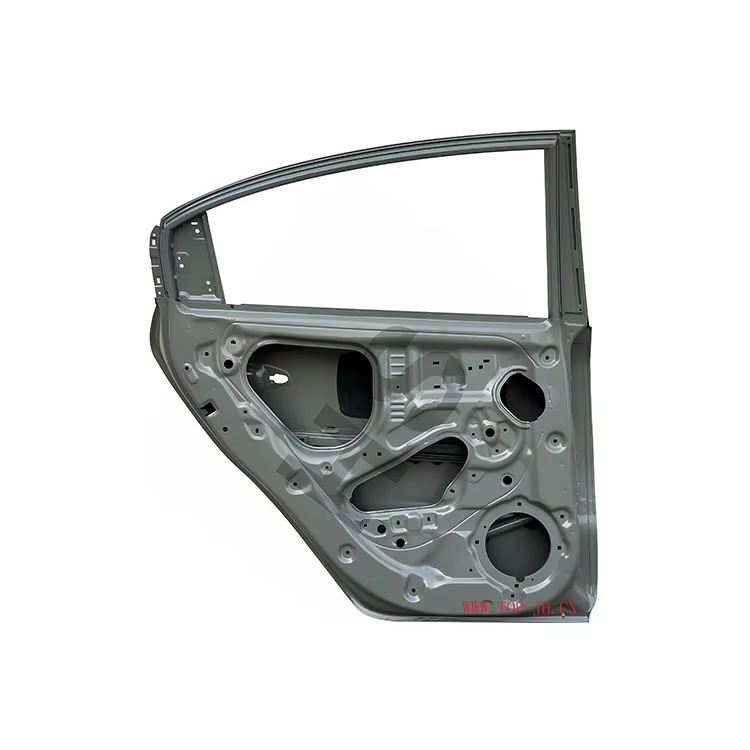
The automotive aftermarket industry continues to evolve at a rapid pace, with custom car doors emerging as one of the most sought-after modifications among enthusiasts and professionals alike. Modern vehicle customization has transcended basic aesthetic upgrades, focusing on sophisticated design elements that combine functionality with striking visual appeal. Today's custom car doors represent a perfect fusion of engineering excellence and artistic creativity, offering car owners unprecedented opportunities to personalize their vehicles while maintaining structural integrity and safety standards.
Revolutionary Materials Transforming Door Construction
Carbon Fiber Integration in Modern Designs
Carbon fiber has revolutionized the manufacturing of custom car doors, offering exceptional strength-to-weight ratios that were previously unattainable with traditional materials. This advanced composite material allows designers to create intricate patterns and textures while maintaining structural durability. The lightweight properties of carbon fiber contribute significantly to improved vehicle performance, reducing overall weight without compromising safety. Modern custom car doors incorporating carbon fiber elements showcase distinctive weave patterns that create visual depth and premium aesthetics.
Manufacturing processes for carbon fiber custom car doors have become increasingly sophisticated, enabling precise control over fiber orientation and resin distribution. Advanced autoclave curing techniques ensure optimal strength characteristics while maintaining consistent surface finishes. The material's inherent resistance to environmental factors makes it ideal for exterior applications, providing long-term durability against UV exposure, temperature fluctuations, and moisture penetration.
Aluminum Alloy Innovations
High-grade aluminum alloys have gained prominence in custom car doors manufacturing due to their excellent corrosion resistance and machining capabilities. These materials enable complex geometric designs while maintaining structural integrity under various load conditions. Advanced aluminum alloys used in custom car doors offer superior surface treatment options, including anodizing, powder coating, and polished finishes that enhance both appearance and protection.
The thermal properties of aluminum make it particularly suitable for climate-controlled environments, as it efficiently conducts heat and cold without significant expansion or contraction. This stability ensures consistent fit and finish over extended periods, making aluminum-based custom car doors a reliable choice for long-term installations. Modern alloy compositions incorporate trace elements that enhance strength characteristics while maintaining workability for complex fabrication processes.
Advanced Opening Mechanisms and Hardware Systems
Vertical and Scissor Door Configurations
Vertical opening mechanisms have become increasingly popular in custom car doors, providing dramatic visual impact while offering practical benefits in tight parking situations. These systems utilize precision-engineered hinges and gas struts that ensure smooth operation throughout the door's travel range. Modern vertical door kits incorporate safety features such as emergency manual release mechanisms and integrated position sensors that prevent accidental closure during operation.
Scissor door systems represent the pinnacle of custom car doors engineering, combining complex kinematics with robust construction to achieve the distinctive upward-angled opening motion. These mechanisms require precise alignment and calibration to ensure proper operation, utilizing high-quality bearings and bushings that withstand repeated cycling. Advanced scissor door systems incorporate electronic controls that provide smooth, consistent operation while protecting against overextension and collision detection.
Electronic Integration and Smart Features
Modern custom car doors increasingly incorporate electronic systems that enhance functionality and user experience. Smart entry systems utilize proximity sensors and encrypted communication protocols to provide secure, convenient access without traditional key mechanisms. These systems integrate seamlessly with existing vehicle electronics, maintaining compatibility with factory security and comfort features while adding advanced functionality.
Remote operation capabilities allow users to control custom car doors from significant distances, providing convenience in various situations. Integrated LED lighting systems illuminate entry areas while providing customizable accent lighting that enhances the vehicle's appearance. Advanced electronic systems include diagnostic capabilities that monitor door operation and provide maintenance alerts through smartphone applications or dashboard displays.
Surface Treatment and Finishing Techniques
Advanced Paint Systems and Color Matching
Contemporary custom car doors utilize sophisticated paint systems that provide exceptional durability and color consistency across different materials and substrates. Multi-stage painting processes incorporate specialized primers, base coats, and clear coats that create depth and brilliance while protecting underlying materials. Advanced color matching technology ensures perfect integration with existing vehicle finishes, utilizing spectrophotometric analysis to achieve precise color reproduction.
Specialized coating systems for custom car doors include ceramic-infused clear coats that provide superior scratch resistance and UV protection. These advanced formulations maintain gloss retention over extended periods while resisting environmental contaminants such as road salt, industrial pollutants, and organic materials. Temperature-stable pigment systems ensure consistent color appearance under varying lighting conditions and seasonal temperature fluctuations.
Texture and Pattern Applications
Modern custom car doors feature increasingly sophisticated texture applications that add visual interest and tactile appeal. Advanced molding techniques create three-dimensional patterns directly in the door surface, eliminating the need for separate overlay components. These integrated textures range from subtle geometric patterns to bold sculptural elements that define the vehicle's character and design theme.
Laser texturing technology enables precise pattern application on various materials used in custom car doors, creating consistent results across different production runs. This technology allows for intricate detail work that was previously impossible with conventional manufacturing methods. Surface treatments can incorporate multiple texture zones within a single door panel, creating complex visual compositions that enhance the overall design aesthetic.
Integration with Vehicle Electronics and Safety Systems
Compatibility with Modern Vehicle Architectures
Today's custom car doors must integrate seamlessly with increasingly complex vehicle electronic systems, including CAN bus networks, security modules, and comfort control systems. Advanced integration techniques ensure that custom modifications maintain full compatibility with factory electronics while adding enhanced functionality. Specialized interface modules translate between aftermarket components and original equipment protocols, preserving warranty coverage and system reliability.
Modern custom car doors incorporate sophisticated wiring harnesses that accommodate additional electronic features while maintaining proper electromagnetic compatibility. These harnesses utilize marine-grade connectors and automotive-specification wire that withstand environmental exposure and mechanical stress. Proper routing and securing techniques ensure long-term reliability while facilitating future maintenance and upgrades.
Safety and Regulatory Compliance
Contemporary custom car doors must meet stringent safety requirements that govern structural integrity, crash performance, and occupant protection. Advanced computer modeling and finite element analysis ensure that modified door structures maintain or exceed original safety specifications. Crash testing protocols validate performance under various impact scenarios, ensuring that custom modifications do not compromise vehicle safety systems.
Regulatory compliance for custom car doors involves adherence to federal motor vehicle safety standards and local modification regulations. Professional installers must understand these requirements and ensure that all modifications meet applicable standards. Documentation and certification processes provide legal protection while demonstrating compliance with relevant safety regulations and insurance requirements.
Manufacturing Technologies and Production Methods
3D Printing and Additive Manufacturing
Additive manufacturing technologies have revolutionized prototype development and small-batch production for custom car doors, enabling rapid iteration and design validation. Advanced 3D printing systems can produce functional components using high-performance materials that withstand automotive environments. These technologies reduce development time and costs while enabling complex geometries that would be impossible with traditional manufacturing methods.
Large-format 3D printers can produce full-scale door components directly from digital designs, eliminating tooling requirements and enabling cost-effective customization. Post-processing techniques for 3D printed custom car doors include surface finishing, heat treatment, and reinforcement application that achieve production-quality results. Integration with computer-aided design systems streamlines the workflow from concept to finished product.
CNC Machining and Precision Fabrication
Computer-controlled machining centers enable precise fabrication of complex custom car doors components with exceptional accuracy and repeatability. Multi-axis machining capabilities allow for intricate three-dimensional profiles and internal features that enhance both form and function. Advanced tooling systems minimize material waste while achieving superior surface finishes that reduce post-processing requirements.
Modern CNC programming incorporates adaptive machining strategies that optimize cutting parameters based on material properties and geometric complexity. These techniques ensure consistent quality across production runs while maximizing tool life and minimizing cycle times. Automated tool changing and part handling systems enable lights-out production that reduces labor costs while maintaining quality standards.
Market Trends and Consumer Preferences
Sustainability and Environmental Considerations
Environmental consciousness increasingly influences custom car doors design and manufacturing decisions, with consumers seeking sustainable materials and production methods. Recycled carbon fiber and bio-based composite materials offer reduced environmental impact while maintaining performance characteristics. Life cycle assessment protocols evaluate the total environmental impact of custom car doors from raw material extraction through end-of-life disposal.
Sustainable manufacturing practices for custom car doors include energy-efficient production methods, waste minimization strategies, and renewable energy utilization. Water-based paint systems reduce volatile organic compound emissions while maintaining durability and appearance standards. Packaging and shipping optimization reduces transportation-related environmental impacts while protecting products during distribution.
Personalization and Individual Expression
Modern consumers demand increasingly personalized custom car doors that reflect individual style preferences and lifestyle requirements. Advanced customization platforms enable customers to configure door designs using interactive visualization tools that provide real-time rendering of design options. Modular design approaches allow for component-level customization while maintaining manufacturing efficiency and cost effectiveness.
Social media influence drives demand for unique and photogenic custom car doors that create distinctive visual signatures for enthusiast vehicles. Collaborative design processes involve customers in the creative development of their custom car doors, resulting in truly unique solutions that exceed expectations. Limited edition designs and artist collaborations create exclusive offerings that appeal to collectors and enthusiasts seeking distinctive modifications.
FAQ
What materials are most commonly used in modern custom car doors?
Modern custom car doors primarily utilize carbon fiber, aluminum alloys, and high-strength steel as base materials. Carbon fiber offers exceptional strength-to-weight ratios and distinctive visual appeal, while aluminum provides excellent corrosion resistance and machining capabilities. Many manufacturers combine multiple materials to optimize performance characteristics and achieve specific design objectives while maintaining structural integrity and safety compliance.
How do electronic features integrate with existing vehicle systems?
Electronic integration in custom car doors utilizes specialized interface modules that communicate with factory vehicle networks through standardized protocols. These systems maintain compatibility with existing security, comfort, and diagnostic functions while adding enhanced features such as remote operation, smart entry, and integrated lighting. Professional installation ensures proper integration without compromising warranty coverage or system reliability.
What safety considerations apply to custom car doors modifications?
Safety considerations for custom car doors include structural integrity, crash performance, and regulatory compliance with federal motor vehicle safety standards. All modifications must maintain or exceed original safety specifications through proper engineering analysis and testing validation. Professional installation by qualified technicians ensures that safety systems remain functional and that modifications meet applicable regulations and insurance requirements.
How long does the installation process typically take for custom car doors?
Installation time for custom car doors varies significantly based on complexity, integration requirements, and vehicle-specific factors. Simple bolt-on replacements may require only a few hours, while complex systems with electronic integration and custom modifications can take several days. Professional installers provide detailed time estimates based on specific project requirements and ensure proper testing and calibration of all systems before completion.