 EN
EN


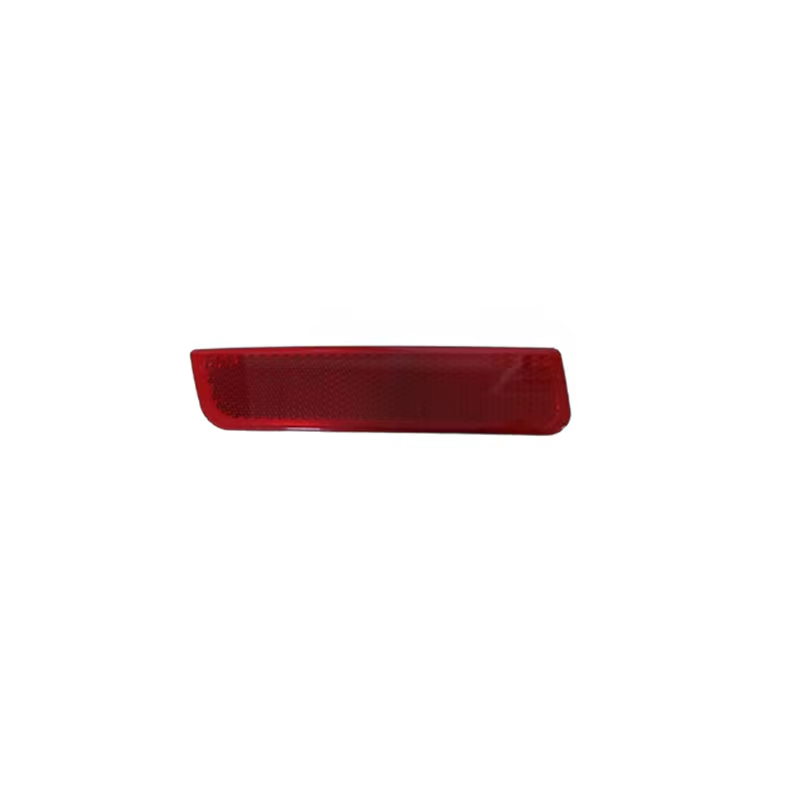
The rear bumper serves as one of the most critical protective components on SUVs and pickup trucks, providing essential protection against collisions while enhancing the vehicle's overall aesthetic appeal. Modern vehicle owners increasingly recognize that choosing the right rear bumper style can significantly impact both functionality and visual appeal. Understanding the various rear bumper options available helps drivers make informed decisions that align with their specific needs, whether prioritizing protection, style, or enhanced functionality for their daily driving requirements.
Essential Rear Bumper Design Categories
Factory-Style Replacement Bumpers
Factory-style replacement bumpers maintain the original equipment manufacturer specifications while providing fresh protection for aging vehicles. These rear bumper designs replicate the exact dimensions, mounting points, and aesthetic elements of the original components. Vehicle owners who prefer maintaining their truck or SUV's stock appearance often choose factory-style options when replacing damaged or worn bumpers. The manufacturing process for these components follows strict quality standards to ensure proper fitment and durability.
The materials used in factory-style rear bumper construction typically include high-grade steel, aluminum, or reinforced plastic composites depending on the vehicle model. Professional installation ensures that all safety features, including impact absorption zones and crumple areas, function as intended by the original design engineers. Many manufacturers offer painted options that match factory color codes, eliminating the need for additional refinishing work after installation.
Heavy-Duty Protection Bumpers
Heavy-duty rear bumper systems provide enhanced protection for vehicles used in demanding environments or commercial applications. These robust designs feature reinforced construction materials and additional thickness to withstand more significant impacts than standard factory components. Construction workers, ranchers, and outdoor enthusiasts often select heavy-duty options to protect their investment from workplace hazards or recreational activities that pose higher collision risks.
The engineering behind heavy-duty rear bumper construction incorporates advanced impact distribution technologies that spread collision forces across larger surface areas. Multiple mounting points and reinforced brackets ensure that the enhanced protection integrates seamlessly with the vehicle's structural framework. These designs often include additional features such as integrated step plates, recovery points, or mounting provisions for auxiliary equipment commonly used in commercial or recreational applications.
Modern Style Variations and Aesthetic Considerations
Sport-Tuned Performance Bumpers
Sport-tuned rear bumper designs emphasize aerodynamic efficiency and aggressive styling that complements performance-oriented vehicle modifications. These components feature streamlined profiles, integrated diffusers, and carefully engineered airflow management systems. Performance enthusiasts appreciate how these rear bumper styles can improve vehicle stability at highway speeds while creating a more dynamic visual appearance that reflects the owner's driving preferences.
The construction materials for sport-tuned bumpers often include lightweight composites or aluminum alloys that reduce overall vehicle weight while maintaining structural integrity. Advanced manufacturing techniques allow for complex curves and integrated design elements that would be difficult to achieve with traditional steel construction methods. Many sport-tuned options include provisions for aftermarket exhaust systems, allowing enthusiasts to showcase performance modifications while maintaining a cohesive aesthetic theme.
Off-Road Adventure Bumpers
Off-road rear bumper designs prioritize functionality and durability for vehicles that regularly encounter challenging terrain and extreme conditions. These specialized components feature reinforced construction, integrated recovery equipment mounting points, and enhanced ground clearance considerations. Adventure seekers and outdoor professionals rely on these rear bumper systems to provide reliable protection during trail exploration, rock crawling, or backcountry expedition activities.
The design philosophy behind off-road bumpers emphasizes practical functionality over aesthetic refinement, though many modern options successfully combine both attributes. Integrated features commonly include D-ring mounting points for recovery straps, provisions for spare tire carriers, and reinforced hitch receivers for trailer applications. The powder-coated finishes typically used on off-road components provide superior corrosion resistance against environmental exposure encountered during outdoor adventures.
Material Selection and Construction Quality
Steel Construction Benefits
Steel remains the most popular material choice for rear bumper construction due to its excellent strength-to-weight ratio and proven durability characteristics. High-strength steel alloys provide superior impact resistance while maintaining reasonable weight considerations for vehicle performance and fuel economy. The manufacturing processes used for steel rear bumper production include precision stamping, welding, and forming techniques that create consistent quality across production runs.
Corrosion protection for steel rear bumper components involves multiple coating layers, including primer applications, base coats, and protective clear coat finishes. Advanced galvanization processes provide additional rust resistance for vehicles operated in harsh environmental conditions or areas where road salt exposure occurs regularly during winter months. The repair and refinishing options for steel components offer long-term value since damaged areas can often be restored to original condition through professional body work services.
Aluminum and Composite Alternatives
Aluminum rear bumper construction offers weight reduction benefits while maintaining excellent corrosion resistance properties that appeal to performance-minded vehicle owners. The manufacturing processes for aluminum components require specialized welding techniques and precision machining to achieve proper fitment and structural integrity. These materials provide particular advantages for vehicles where weight distribution affects handling characteristics or fuel efficiency considerations play important roles in ownership costs.
Composite material rear bumper options incorporate advanced polymer technologies that provide impact resistance while offering design flexibility unavailable with traditional metal construction. These materials allow for complex curves, integrated mounting points, and color-through construction that eliminates paint damage concerns. The manufacturing processes for composite components include injection molding, compression forming, and advanced bonding techniques that create seamless integration between different material sections within single rear bumper assemblies.
Installation Considerations and Professional Requirements
Mounting System Compatibility
Proper rear bumper installation requires careful attention to mounting system compatibility between aftermarket components and existing vehicle frameworks. Vehicle-specific mounting brackets, hardware specifications, and torque requirements must match manufacturer guidelines to ensure safe operation and warranty compliance. Professional installation services verify that all connection points align properly and that safety systems such as parking sensors or backup cameras integrate correctly with new rear bumper assemblies.
The complexity of modern vehicle electrical systems often requires specialized knowledge during rear bumper installation procedures. Wiring harnesses for lighting components, sensor arrays, and trailer connections must be properly routed and protected to prevent damage during normal operation. Professional technicians use manufacturer-specific diagnostic equipment to verify that all electronic systems function correctly after installation completion, ensuring that safety features operate as intended by original design specifications.
Professional Installation Benefits
Professional installation services provide expertise that ensures rear bumper components integrate properly with vehicle safety systems and structural requirements. Certified technicians understand the specific procedures required for different vehicle models and can identify potential compatibility issues before they affect installation quality. The specialized tools and equipment used by professional installers ensure that mounting hardware achieves proper torque specifications and that all connection points maintain structural integrity under normal operating conditions.
Quality assurance procedures followed by professional installation services include comprehensive testing of all integrated systems, verification of proper alignment, and documentation of work performed for warranty purposes. Many rear bumper manufacturers require professional installation to maintain warranty coverage, recognizing that proper installation techniques significantly affect long-term component performance and safety characteristics. The investment in professional installation often prevents costly repairs or component failures that can result from improper installation procedures.
Maintenance and Long-Term Care
Routine Inspection Procedures
Regular rear bumper inspection helps identify potential issues before they develop into safety concerns or expensive repair requirements. Visual inspection procedures should focus on mounting hardware condition, surface finish integrity, and proper alignment with adjacent body panels. Vehicle owners should examine mounting points for signs of stress, corrosion, or loosening that could affect structural performance during collision events or normal operating conditions.
The inspection schedule for rear bumper components should align with regular vehicle maintenance intervals, typically every six months or during seasonal service appointments. Professional inspection services can identify issues that may not be apparent during casual visual examination, including internal structural damage, electrical system problems, or mounting hardware deterioration. Early detection of potential problems allows for preventive maintenance that extends component life and maintains optimal protection characteristics.
Protective Care and Refinishing
Protective care for rear bumper surfaces includes regular cleaning, wax application, and inspection for damage that could lead to corrosion or structural deterioration. The cleaning products used should be appropriate for the specific materials and finishes involved, avoiding harsh chemicals that could damage protective coatings or cause discoloration. Regular application of automotive wax or protective coatings helps maintain surface integrity and provides additional protection against environmental exposure.
Professional refinishing services can restore damaged rear bumper surfaces to original condition while maintaining manufacturer color matches and finish quality. The refinishing process typically involves careful preparation, primer application, base coat matching, and clear coat protection that provides long-term durability. Professional refinishing ensures that repairs integrate seamlessly with existing finish quality and that protective characteristics remain effective against future environmental exposure or minor impact damage.
FAQ
What factors should I consider when choosing a rear bumper style for my pickup truck
When selecting a rear bumper style for your pickup truck, consider your primary vehicle usage, aesthetic preferences, and functional requirements. Heavy-duty workers might prioritize impact protection and integrated recovery points, while urban drivers may prefer factory-style appearance with modern safety features. Budget considerations, installation requirements, and long-term maintenance needs also influence the decision-making process for optimal rear bumper selection.
How do I know if a replacement rear bumper will fit my specific vehicle model
Vehicle compatibility for rear bumper replacement requires verification of year, make, model, and trim level specifications to ensure proper fitment. Manufacturer part numbers, mounting point configurations, and electrical connector compatibility must match your specific vehicle requirements. Professional consultation or detailed product specifications help confirm compatibility before purchase, preventing costly returns or installation complications that result from incorrect part selection.
Can I install a new rear bumper myself or do I need professional help
Rear bumper installation complexity varies significantly depending on vehicle type, component design, and integrated systems involved in the replacement process. Simple factory-style replacements may be suitable for experienced DIY mechanics with proper tools and workspace, while complex systems with electrical integration typically require professional installation. Safety considerations, warranty requirements, and proper torque specifications often make professional installation the recommended choice for optimal results and long-term reliability.
What maintenance is required to keep my rear bumper in good condition
Regular rear bumper maintenance includes routine cleaning, inspection of mounting hardware, and protection of surface finishes through appropriate care products. Visual inspection every six months helps identify potential issues such as corrosion, loose mounting points, or surface damage that requires attention. Professional inspection during regular vehicle service intervals ensures that structural integrity and safety system integration remain effective throughout the component's service life.
Table of Contents
- Essential Rear Bumper Design Categories
- Modern Style Variations and Aesthetic Considerations
- Material Selection and Construction Quality
- Installation Considerations and Professional Requirements
- Maintenance and Long-Term Care
-
FAQ
- What factors should I consider when choosing a rear bumper style for my pickup truck
- How do I know if a replacement rear bumper will fit my specific vehicle model
- Can I install a new rear bumper myself or do I need professional help
- What maintenance is required to keep my rear bumper in good condition