 EN
EN


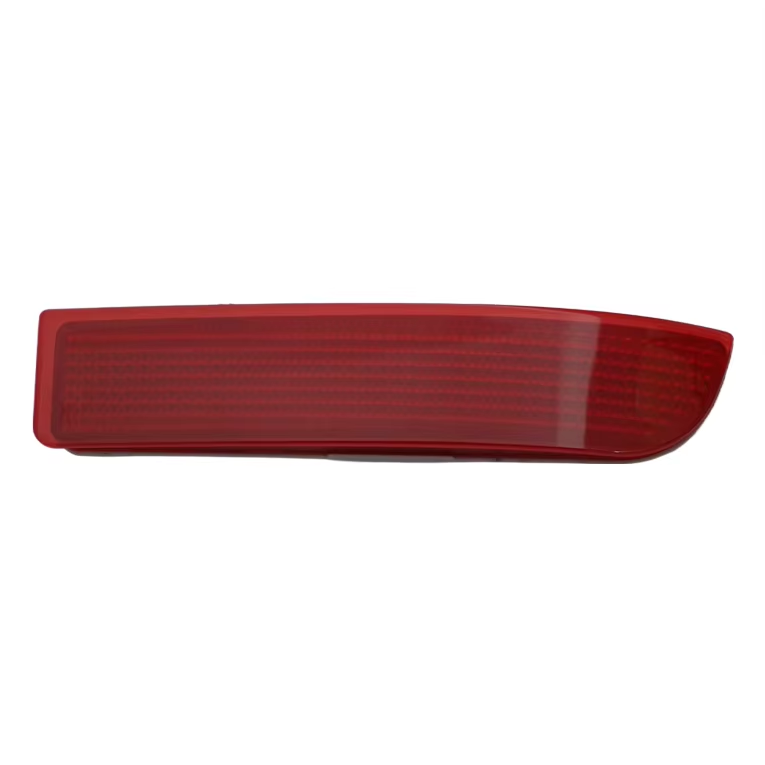
Vehicle protection has become increasingly important as automotive technology advances and repair costs continue to rise. Among the most vulnerable areas of any vehicle, the rear section faces constant exposure to potential damage from parking mishaps, loading dock encounters, and everyday driving scenarios. A well-designed rear bumper guard serves as the first line of defense against these common hazards, providing both functional protection and aesthetic enhancement to your vehicle's appearance.
Modern automotive design has evolved to incorporate sophisticated bumper protection systems that go far beyond basic functionality. Today's rear bumper guard solutions combine advanced materials, precision engineering, and sleek aesthetics to deliver comprehensive protection without compromising vehicle performance. These protective elements have become essential components for fleet managers, individual vehicle owners, and commercial operators who understand the value of preventing costly rear-end damage.
The automotive aftermarket industry has responded to growing demand by developing innovative rear bumper guard technologies that address specific vehicle models and usage scenarios. From heavy-duty commercial applications to elegant passenger car solutions, the range of available options continues to expand as manufacturers recognize the importance of tailored protection systems.
Understanding Modern Rear Bumper Guard Technology
Material Science Advancements
Contemporary rear bumper guard construction utilizes advanced polymer composites, high-strength steel alloys, and specialized coatings designed to withstand extreme impact forces while maintaining visual appeal. These materials undergo rigorous testing to ensure compliance with automotive safety standards and environmental regulations. The integration of shock-absorbing materials helps distribute impact energy across the bumper surface, reducing the likelihood of damage to underlying vehicle components.
Engineering teams focus on creating rear bumper guard designs that complement original equipment manufacturer specifications while providing enhanced protection capabilities. The use of computer-aided design tools allows for precise fitment and optimal impact resistance characteristics. Advanced manufacturing processes ensure consistent quality and durability across different vehicle applications.
Surface treatments and protective coatings play crucial roles in extending the lifespan of rear bumper guard installations. These specialized finishes resist corrosion, UV degradation, and chemical exposure while maintaining color stability over extended periods. The development of self-healing coating technologies represents the latest advancement in protective surface treatments.
Integration With Vehicle Systems
Modern rear bumper guard systems must accommodate various vehicle technologies including parking sensors, backup cameras, and electronic stability systems. Manufacturers design these protective elements with precise cutouts and mounting provisions that preserve full functionality of integrated electronic components. The challenge lies in maintaining protection levels while ensuring unobstructed operation of safety and convenience features.
Installation procedures have been refined to minimize modification requirements and reduce installation time. Many contemporary rear bumper guard products utilize existing mounting points and factory hardware connections, simplifying the installation process while ensuring secure attachment. Professional installation guidelines help ensure proper fitment and optimal protection performance.
Quality control measures throughout the manufacturing process guarantee that each rear bumper guard meets strict dimensional tolerances and performance specifications. Testing protocols simulate real-world impact scenarios to validate protection capabilities and structural integrity under various loading conditions.
Design Principles for Maximum Protection
Impact Distribution Strategies
Effective rear bumper guard design focuses on distributing impact forces across the widest possible area to minimize localized damage and reduce stress concentrations. Engineers employ finite element analysis to optimize structural geometry and material placement for maximum energy absorption. The strategic positioning of reinforcement elements helps redirect impact forces away from vulnerable vehicle components.
Crumple zone integration allows rear bumper guard systems to work in harmony with existing vehicle safety features. These designs provide initial impact resistance while allowing controlled deformation that protects occupants and preserves vehicle structural integrity. The balance between protection and controlled failure represents a critical design consideration.
Multi-layered protection approaches combine rigid outer shells with energy-absorbing inner cores to provide comprehensive impact resistance. This design philosophy maximizes protection while minimizing weight penalties and maintaining vehicle handling characteristics. Advanced computational modeling helps optimize these complex structural arrangements.
Aerodynamic Considerations
Contemporary rear bumper guard designs must consider aerodynamic implications that affect fuel efficiency and vehicle stability. Computational fluid dynamics analysis helps engineers minimize drag penalties while maintaining protection effectiveness. Streamlined profiles and integrated air management features help preserve vehicle performance characteristics.
Wind tunnel testing validates aerodynamic performance and identifies opportunities for design optimization. The integration of rear spoiler elements and air deflection features can actually improve vehicle aerodynamics while providing enhanced protection. These dual-function designs represent the evolution of automotive protection systems.
Surface texturing and geometric optimization help manage airflow patterns around the rear bumper guard assembly. These design features reduce turbulence and minimize the impact on vehicle fuel consumption while maintaining protection capabilities.
Application-Specific Design Solutions
Commercial Vehicle Requirements
Commercial vehicle applications demand rear bumper guard solutions that withstand frequent loading dock encounters, tight maneuvering spaces, and extended service intervals. Heavy-duty construction materials and reinforced mounting systems provide the durability required for demanding commercial environments. Fleet operators prioritize protection systems that minimize vehicle downtime and reduce maintenance costs.
Modular rear bumper guard designs allow for easy replacement of damaged sections without requiring complete system replacement. This approach reduces maintenance costs and minimizes vehicle out-of-service time. Standardized mounting interfaces facilitate quick installation and removal procedures for fleet maintenance operations.
Visibility enhancement features integrated into commercial rear bumper guard designs improve safety in loading and maneuvering situations. Reflective elements, integrated lighting provisions, and high-visibility color options help prevent accidents and improve operational efficiency. These safety features have become standard requirements for many commercial applications.
Passenger Vehicle Applications
Passenger vehicle rear bumper guard solutions emphasize aesthetic integration while providing comprehensive protection against common parking lot hazards. Design teams focus on creating protection systems that enhance vehicle appearance rather than detracting from original styling themes. Color-matching capabilities and texture coordination help achieve seamless integration with existing vehicle design elements.
Urban driving environments present unique challenges that require specialized rear bumper guard designs. Compact dimensions, frequent parking situations, and tight spaces demand protection systems that provide maximum coverage within limited space constraints. Engineering solutions focus on optimizing protection density while maintaining manageable dimensions.
Luxury vehicle applications require rear bumper guard systems that meet elevated aesthetic standards while providing effective protection. Premium materials, refined finishes, and precise manufacturing tolerances ensure these protection systems complement high-end vehicle designs. The integration of advanced features such as sensor accommodation and lighting provisions adds functionality without compromising elegance.
Installation and Maintenance Considerations
Professional Installation Standards
Proper rear bumper guard installation requires adherence to manufacturer specifications and industry best practices to ensure optimal protection performance. Professional installers must understand vehicle-specific requirements, mounting procedures, and torque specifications to achieve secure attachment. Training programs help technicians develop the expertise necessary for quality installations across different vehicle platforms.
Quality assurance procedures verify proper fitment, secure mounting, and functional integration with vehicle systems. Post-installation testing confirms that all electronic components continue to operate correctly and that the rear bumper guard provides the intended protection coverage. Documentation of installation procedures helps maintain warranty coverage and facilitates future service requirements.
Tool requirements and installation procedures vary depending on vehicle type and rear bumper guard design complexity. Professional installation facilities maintain specialized equipment and trained personnel to handle diverse installation requirements. Standardized procedures help ensure consistent installation quality across different service locations.
Long-Term Maintenance Requirements
Regular inspection and maintenance procedures help ensure continued rear bumper guard effectiveness throughout the vehicle's service life. Visual inspections identify potential damage, loose mounting hardware, or degraded protective coatings that require attention. Preventive maintenance schedules help identify issues before they compromise protection performance.
Cleaning procedures and protective coating maintenance help preserve rear bumper guard appearance and functionality. Specialized cleaning products and techniques remove contaminants without damaging protective surfaces or underlying materials. Regular maintenance extends service life and maintains optimal protection performance.
Replacement part availability and service support ensure that rear bumper guard systems can be maintained throughout the vehicle's operational life. Manufacturer support networks provide access to replacement components, technical assistance, and warranty service. This ongoing support helps protect the investment in vehicle protection systems.
Future Developments in Rear Bumper Protection
Smart Protection Systems
Emerging technologies are enabling the development of intelligent rear bumper guard systems that can adapt to different impact scenarios and provide real-time protection feedback. Integrated sensors monitor impact forces and can trigger additional protection mechanisms or alert operators to potential damage. These smart systems represent the next generation of vehicle protection technology.
Connectivity features allow rear bumper guard systems to communicate with vehicle management systems and fleet monitoring networks. This integration provides valuable data about impact events, protection system performance, and maintenance requirements. Advanced analytics help optimize protection strategies and reduce operational costs.
Adaptive protection mechanisms can adjust their characteristics based on driving conditions, vehicle loading, or operator preferences. These systems optimize protection performance while minimizing any negative impact on vehicle dynamics or fuel efficiency. The integration of machine learning algorithms enables continuous improvement in protection effectiveness.
Sustainable Manufacturing Approaches
Environmental considerations are driving the development of sustainable rear bumper guard manufacturing processes and materials. Recycled content integration, biodegradable components, and reduced manufacturing energy requirements help minimize environmental impact. These sustainable approaches align with broader automotive industry environmental initiatives.
End-of-life recycling programs ensure that rear bumper guard materials can be recovered and reused in new products. Design for disassembly principles facilitate efficient material separation and recycling processes. These circular economy approaches reduce waste and support sustainable manufacturing practices.
Life cycle assessment methodologies help manufacturers evaluate and minimize the environmental impact of rear bumper guard production, use, and disposal. Continuous improvement programs identify opportunities to reduce resource consumption and environmental impact throughout the product lifecycle.
FAQ
What factors should be considered when selecting a rear bumper guard for commercial vehicles
Commercial vehicle rear bumper guard selection should prioritize impact resistance, durability under frequent use conditions, compatibility with loading dock operations, and ease of maintenance. Heavy-duty construction materials, reinforced mounting systems, and modular replacement capabilities are essential features for commercial applications. Fleet operators should also consider visibility enhancement features and integration with existing safety systems.
How do modern rear bumper guard systems accommodate vehicle electronics and sensors
Contemporary rear bumper guard designs incorporate precise cutouts and mounting provisions that preserve full functionality of parking sensors, backup cameras, and electronic stability systems. Manufacturers use advanced design tools to ensure these protective elements do not interfere with electronic component operation while maintaining maximum protection coverage. Professional installation procedures verify proper electronic system functionality after rear bumper guard installation.
What maintenance procedures are required to ensure long-term rear bumper guard effectiveness
Regular visual inspections should identify potential damage, loose mounting hardware, or degraded protective coatings that require attention. Cleaning procedures using appropriate products help preserve appearance and functionality while preventing damage to protective surfaces. Preventive maintenance schedules and access to replacement components ensure continued protection performance throughout the vehicle's service life.
How do aerodynamic considerations affect rear bumper guard design and vehicle performance
Modern rear bumper guard designs utilize computational fluid dynamics analysis and wind tunnel testing to minimize aerodynamic penalties while maintaining protection effectiveness. Streamlined profiles, integrated air management features, and optimized surface texturing help preserve fuel efficiency and vehicle stability. Some advanced designs actually improve vehicle aerodynamics through integrated spoiler elements and airflow management capabilities.
Table of Contents
- Understanding Modern Rear Bumper Guard Technology
- Design Principles for Maximum Protection
- Application-Specific Design Solutions
- Installation and Maintenance Considerations
- Future Developments in Rear Bumper Protection
-
FAQ
- What factors should be considered when selecting a rear bumper guard for commercial vehicles
- How do modern rear bumper guard systems accommodate vehicle electronics and sensors
- What maintenance procedures are required to ensure long-term rear bumper guard effectiveness
- How do aerodynamic considerations affect rear bumper guard design and vehicle performance