 EN
EN


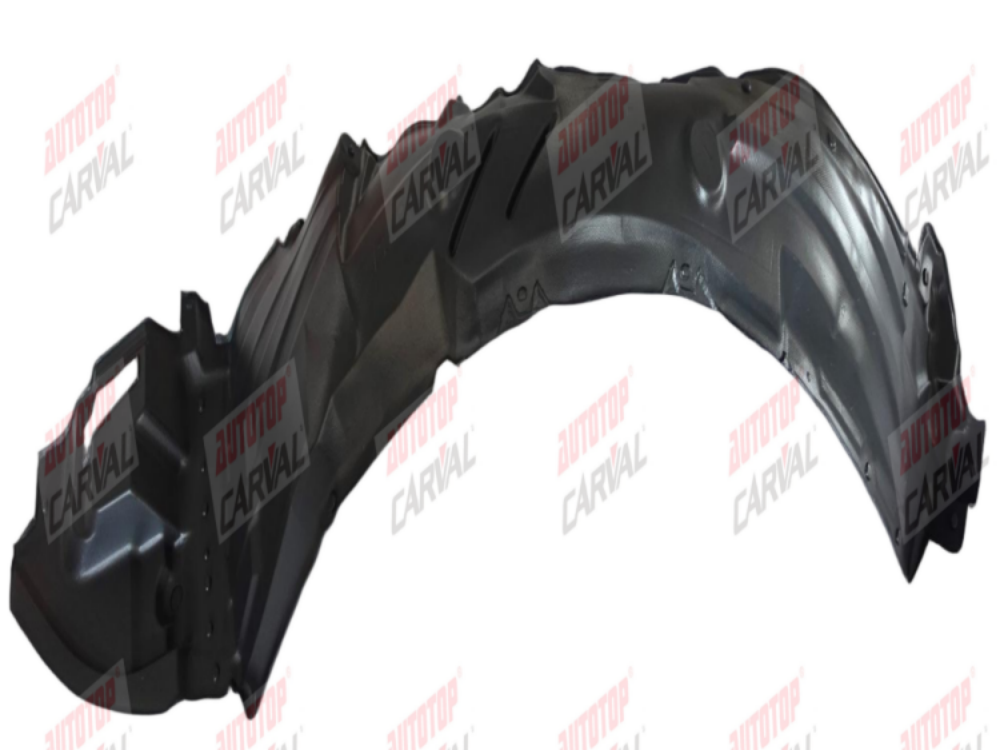
When your vehicle sustains damage to its fender, finding the right replacement parts becomes crucial for both safety and aesthetics. Car fender replacement is a common automotive repair that requires careful consideration of quality, compatibility, and installation requirements. Whether you're dealing with collision damage, rust, or general wear and tear, selecting appropriate replacement components ensures your vehicle maintains its structural integrity and visual appeal. Professional mechanics and DIY enthusiasts alike understand that proper fender replacement goes beyond simply bolting on new parts—it involves understanding materials, fitment specifications, and long-term durability factors.
Understanding Different Types of Automotive Fenders
Front Fender Construction and Materials
Modern automotive fenders are manufactured using various materials, each offering distinct advantages for different applications. Steel fenders remain the most common choice for original equipment manufacturers due to their strength, formability, and cost-effectiveness. These components undergo sophisticated stamping processes that create precise contours matching original factory specifications. High-quality steel fenders feature corrosion-resistant coatings and primer applications that extend their service life significantly compared to lower-grade alternatives.
Aluminum fenders have gained popularity in performance and luxury vehicle applications where weight reduction is prioritized. These lightweight alternatives offer excellent corrosion resistance and can improve fuel efficiency while maintaining structural integrity. However, aluminum fenders typically require specialized repair techniques and may not be suitable for all vehicle types or budget considerations. The material choice significantly impacts both initial cost and long-term maintenance requirements for any car fender replacement project.
Inner Fender Components and Protection Systems
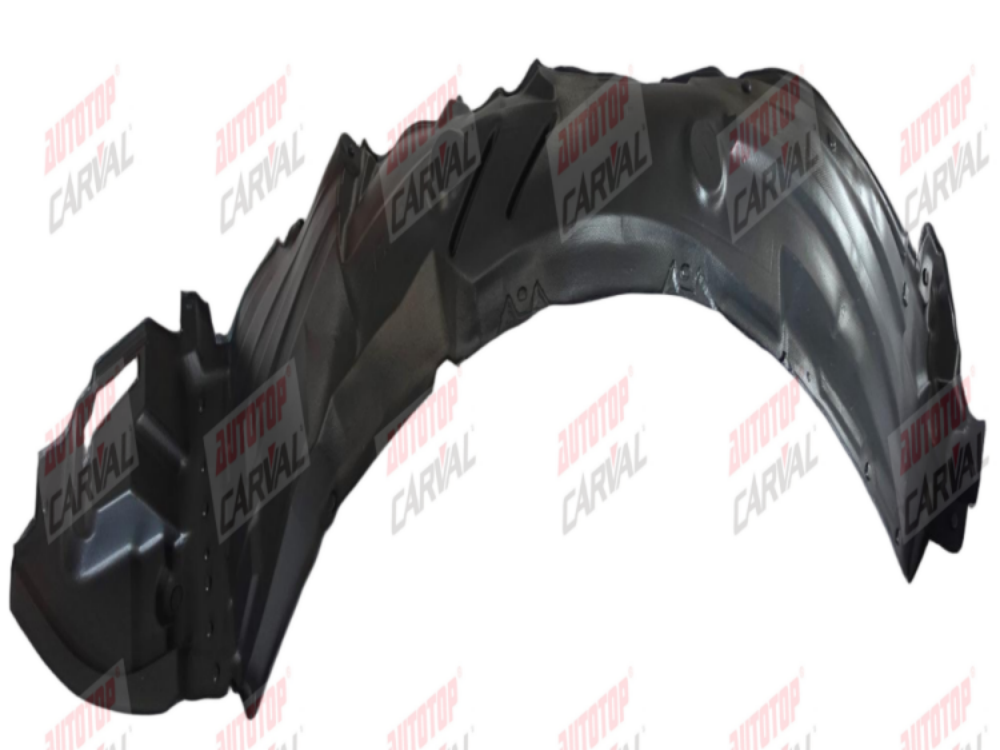
Inner fenders serve as crucial protective barriers between the wheel wells and engine compartment, preventing road debris, moisture, and contaminants from reaching sensitive mechanical components. These components typically feature complex curved geometries that direct airflow while providing splash protection during various driving conditions. Quality inner fenders incorporate drainage channels and mounting provisions for various accessories including wiring harnesses, fluid reservoirs, and diagnostic equipment.
Replacement inner fenders must maintain precise fitment to ensure proper clearance for suspension components, steering systems, and brake assemblies. Inferior quality parts may interfere with normal operation or create unwanted noise during vehicle operation. Professional installers verify clearances and mounting point alignment before finalizing any installation to prevent future complications or warranty issues.
Vehicle-Specific Compatibility Considerations
OEM Versus Aftermarket Options
Original Equipment Manufacturer parts offer guaranteed fitment and quality standards that match factory specifications exactly. These components undergo extensive testing and validation processes to ensure compatibility with existing vehicle systems and manufacturing tolerances. OEM fenders typically include all necessary mounting hardware, alignment references, and installation instructions specific to each vehicle model and production year. While these options may command premium pricing, they provide peace of mind regarding long-term reliability and warranty coverage.
Aftermarket alternatives present cost-effective solutions for budget-conscious consumers while still maintaining acceptable quality standards. Reputable aftermarket manufacturers invest heavily in research and development to ensure their products meet or exceed original specifications. These companies often provide extensive vehicle compatibility databases and technical support to assist with proper part selection and installation procedures. Quality aftermarket fenders may include enhanced features or materials not available in original equipment applications.
Model-Specific Requirements and Variations
Different vehicle models require unique fender configurations based on their specific design requirements and manufacturing constraints. Compact vehicles like the Chevrolet Aveo utilize precisely engineered fender assemblies that maximize interior space while maintaining structural integrity and crash protection standards. These vehicles often feature integrated mounting systems that combine multiple functions within single components to optimize packaging efficiency and reduce overall weight.
Luxury and performance vehicles may incorporate additional complexity including integrated air ducts, sensor mounting provisions, or aerodynamic enhancement features. Car fender replacement on these vehicles requires careful attention to preserving all original functionality while ensuring proper integration with existing systems. Professional installation becomes particularly important when dealing with vehicles featuring advanced driver assistance systems or electronic components integrated into fender assemblies.
Installation Process and Technical Requirements
Professional Installation Considerations
Proper fender installation requires specialized tools and equipment to ensure accurate alignment and secure mounting. Professional technicians utilize frame straightening equipment, precision measuring devices, and torque specifications to achieve factory-level quality results. The installation process typically involves removing damaged components, preparing mounting surfaces, and carefully positioning new parts to maintain original geometry and clearances throughout the repair area.
Quality installations require attention to corrosion protection measures including seam sealing, primer application, and proper hardware torque specifications. Professional shops maintain comprehensive databases of vehicle-specific procedures and specifications to ensure consistent results across different makes and models. These facilities also possess the necessary equipment for post-installation alignment verification and quality control testing.
DIY Installation Guidelines and Safety
Experienced DIY mechanics can successfully complete car fender replacement projects with proper preparation and attention to detail. Essential tools include basic hand tools, safety equipment, and measuring devices to verify proper fitment before final installation. The process requires careful removal of existing hardware while preserving reusable components and mounting points for the new installation.
Safety considerations include proper vehicle support using appropriate jack stands or lifting equipment, eye protection when working with metal components, and adequate ventilation when using primer or sealing compounds. DIY installers should carefully review vehicle-specific service information and torque specifications before beginning any work to prevent damage to surrounding components or systems.
Quality Assessment and Selection Criteria
Material Quality and Durability Factors
High-quality fender replacements feature robust construction using appropriate gauge materials that resist deformation under normal operating conditions. Premium components undergo surface treatment processes including phosphate coating, electrocoating, or galvanization to provide superior corrosion resistance compared to basic alternatives. These treatments significantly extend service life in harsh environments including salt exposure, extreme temperatures, and high humidity conditions.
Manufacturing quality indicators include consistent material thickness, precise hole placement, and smooth finish surfaces free from defects or irregularities. Quality components feature proper bend radii and forming characteristics that prevent stress concentration points where premature failure might occur. Reputable manufacturers provide comprehensive warranties covering material defects and manufacturing inconsistencies for extended periods.
Fitment Accuracy and Alignment Standards
Precise fitment ensures proper gap relationships with adjacent body panels while maintaining original vehicle appearance and aerodynamic characteristics. Quality replacement fenders incorporate all original mounting provisions including bolt holes, clips, and alignment features required for proper installation. These components should require minimal modification or adjustment to achieve acceptable fit and finish standards matching original equipment specifications.
Professional-grade components undergo dimensional verification using coordinate measuring equipment to ensure consistency across production runs. This quality control process prevents fitment issues that could compromise installation quality or require extensive modification during the repair process. Accurate fitment also ensures proper clearance for moving components including doors, hoods, and suspension assemblies.
Cost Analysis and Value Considerations
Initial Investment and Long-Term Value
Car fender replacement costs vary significantly based on vehicle type, part quality, and installation complexity. Premium components command higher initial prices but often provide superior durability and warranty coverage that reduces long-term ownership costs. Budget alternatives may appear attractive initially but could require premature replacement or additional modifications that increase overall project expenses.
Professional installation adds labor costs but ensures proper fitment and warranty coverage for both parts and workmanship. DIY installation eliminates labor expenses but requires tool investment and assumes responsibility for any installation-related issues. The total cost analysis should include all associated expenses including primer, hardware, and finishing materials required to complete the project successfully.
Insurance and Warranty Considerations
Insurance coverage for fender replacement depends on specific policy terms and the circumstances surrounding the damage. Collision coverage typically includes replacement parts and professional installation while comprehensive coverage may apply to weather-related or vandalism damage. Understanding policy limitations helps determine out-of-pocket expenses and influences decisions regarding part quality and installation methods.
Manufacturer warranties vary significantly between different suppliers and quality levels. Premium components often include comprehensive coverage against defects, corrosion, and fitment issues for extended periods. Warranty terms should be carefully reviewed to understand coverage limitations, claim procedures, and any requirements for professional installation to maintain coverage validity.
FAQ
How long does a typical car fender replacement take to complete
Professional fender replacement typically requires 2-4 hours depending on vehicle complexity and damage extent. Simple bolt-on replacements can be completed more quickly while vehicles requiring paint matching or additional bodywork may need additional time. DIY installations generally take longer due to unfamiliarity with specific procedures and the need for careful measurement and fitting.
Can I replace just the damaged section of a fender
Partial fender repairs are possible in some cases but complete replacement often provides better long-term results and appearance. Cut-and-weld repairs require advanced metalworking skills and may not restore original structural integrity. Most insurance companies and professional shops recommend complete replacement for optimal safety and cosmetic results.
What tools are required for DIY fender replacement
Basic hand tools including sockets, wrenches, and screwdrivers are sufficient for most fender replacements. Additional equipment may include a drill for new hole creation, measuring tools for alignment verification, and safety equipment including gloves and eye protection. Vehicle-specific tools or adapters may be required for certain makes and models.
How do I ensure proper paint matching with replacement fenders
Professional paint matching requires color code identification and spectrophotometer analysis to achieve accurate results. Factory paint codes are typically located on vehicle identification labels but may fade or change over time due to weathering. Professional paint shops can blend colors to minimize visibility differences between new and existing panels.