 EN
EN


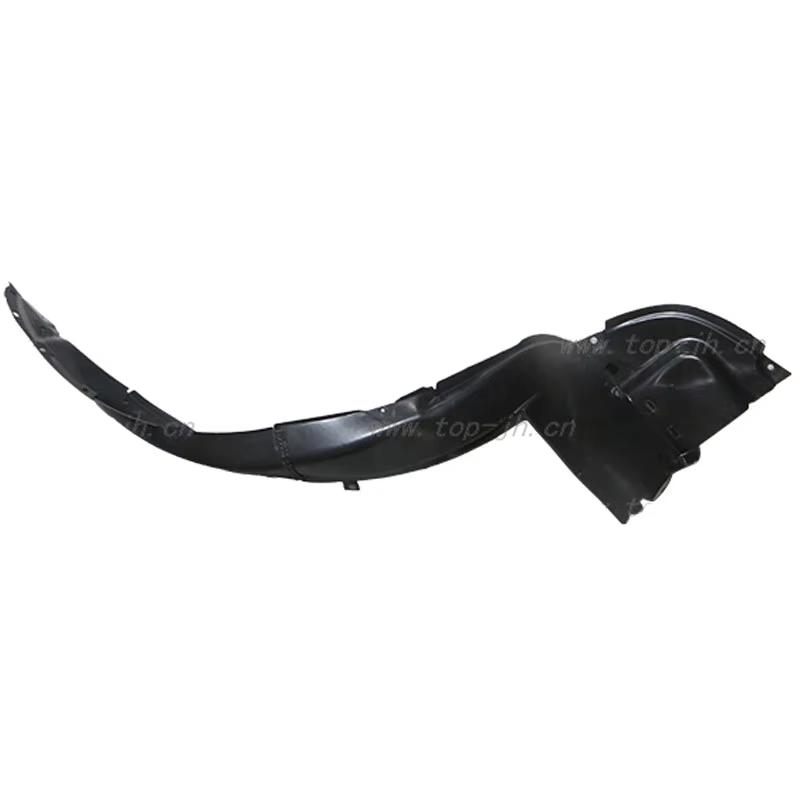
Otomotiv endüstrisi, son birkaç on yıldır araç güvenliği konusunda büyük ilerleme kaydetti ve üreticiler giderek daha karmaşık çarpışma koruma sistemleri uyguladı. İçindekilerin güvenliğini sağlayan çeşitli bileşenler arasında araba yan jant kasası yan panel (çamurluk), genel çarpışma güvenliği performansında kritik ancak sıklıkla hafife alınan bir rol oynar. Birçok sürücü, yan panelleri (çamurlukları) çoğunlukla küçük çentikler ve çiziklere karşı koruma sağlayan estetik öğeler olarak görür; ancak bu yapısal bileşenler, özellikle araç kazalarının en tehlikeli türlerinden biri olan yandan çarpma durumlarında, içineklerin güvenliği için asıl bariyer görevi görür.
Araç Güvenliğinde Yan Çamurluklarının Yapısal Rolünün Anlaşılması
Birincil Çarpışma Enerjisi Emme Fonksiyonları
Bir aracın yan çamurluğu, yandan çarpma esnasında ilk savunma hattı görevi görür ve çarpışma enerjisini yolcu bölmesine ulaşmadan önce emer ve dağıtır. Modern otomotiv mühendisliği, bu bileşenleri basit sac kaplamaların çok ötesine taşımıştır; çarpışma kuvvetlerini yönetmeye yardımcı olacak ileri malzemeler ve stratejik burkulma bölgeleri entegre edilmiştir. Çamurluğun çarpma anında kontrollü bir şekilde şekil değiştirebilme yeteneği, çarpışma süresini uzatarak araç içindeki kişilerin maruz kaldığı tepe kuvvetleri düzeyini azaltır.
Bir aracın yan çamurluğunun enerji emme özellikleri, araç tasarım aşamasında dikkatle hesaplanır; mühendisler kapsamlı bilgisayar simülasyonları ve fiziksel çarpma testleri gerçekleştirir. Bu bileşenlerin birden fazla gereksinimi aynı anda karşılaması gerekir: günlük tehlikelere karşı koruma sağlamak için yeterli dayanıma sahip olmaları gerekirken, daha şiddetli çarpma durumlarında öngörülebilir şekilde şekil değiştirebilme yeteneğini de korumaları gerekir. Malzeme bileşimi, kalınlık değişiklikleri ve iç takviye yapıları, bu hassas dengeyi — koruma ile kontrollü başarısızlık arasında — optimize etmeye katkıda bulunur.
Genel Araç Güvenliği Mimarisiyle Entegrasyon
Modern araçlar, yan taraftaki çamurlukların kapı takviye kirişleri, yan çarpma hava yastıkları ve aracın ana güvenlik kafesi gibi diğer koruyucu sistemlerle koordineli çalıştığı kapsamlı bir güvenlik mimarisini kullanır. Bu entegre yaklaşım, çarpışma enerjisinin birden fazla yönde yönetilmesini sağlayarak, çarpışma sırasında tek bir bileşenin aşırı yüklenmesini önler. Çamurluğun konumu ve bağlantı yöntemleri, komşu bileşenlerle uyumlu çalışacak şekilde özel olarak tasarlanmıştır; bu da yolcu bölmesi etrafında birleşik bir koruma bariyeri oluşturur.
Bir aracın yan çamurluğunu araç şasisine bağlayan bağlantı noktaları, çarpma olayları sırasında optimum yük aktarımını sağlamak amacıyla mühendislikle tasarlanmıştır. Bu bağlantı mekanizmaları, normal sürüş koşulları altında yapısal bütünlüğü koruyacak kadar dayanıklı olmakla birlikte, çarpma kuvvetleri tasarım eşiğini aştığında kontrollü bir şekilde ayrılmalı ya da şekil değiştirmelidir. Bu dikkatli mühendislik, enerji emiliminin mümkün olan en etkili şekilde gerçekleşmesini sağlayarak araç içindeki kişilerin korunmasını maksimize eder.
Malzeme Bilimi ve Gelişmiş Çamurluk Teknolojileri
Yüksek Mukavemetli Çelik ve Alüminyum Alaşım Uygulamaları
Güncel otomobil yan çamurluk yapısı, optimum çarpışma performansı özelliklerini elde etmek için gelişmiş metalurji teknikleri kullanır. Yüksek mukavemetli çelik alaşımları, geleneksel çelik formülasyonlarına kıyasla nispeten düşük ağırlıkta kalırken mükemmel enerji emme özelliklerine sahiptir. Bu malzemeler, farklı mukavemet bölgeleriyle tasarlanabilir; bu da tasarımcılara, darbe olayları sırasında kontrollü deformasyona uğrayan alanlar ile yapısal bütünlüğünü koruyan bölgeler oluşturmasını sağlar. Sonuçta elde edilen çamurluk montajları, ağırlık azaltması yoluyla genel araç verimliliğine katkıda bulunurken üstün çarpışma koruması sunar.
Alüminyum alaşımlarının otomobil yan çamurluk üretimiyle ilgili uygulamaları, uygun mukavemet/ağırlık oranı ve korozyon direnci özellikleri nedeniyle önemli ölçüde yaygınlaşmıştır. Gelişmiş alüminyum şekillendirme teknikleri, üreticilerin hem aerodinamik performansı hem de çarpışma güvenliği özelliklerini optimize eden karmaşık çamurluk geometrileri oluşturmasını sağlar. Bu malzemeler aynı zamanda mükemmel geri dönüştürülebilirlik sunarak, araç içindeki yolcuların güvenliği için gerekli koruyucu işlevleri korurken otomotiv sektörünün sürdürülebilirlik girişimlerini destekler.
Kompozit Malzeme Entegrasyonu ve Gelecek Gelişmeler
Kompozit malzemelerin otomobil yan çamurluk tasarımıyla entegrasyonu, otomotiv güvenlik teknolojisinde önemli bir ilerleme sağlamaktadır. Karbon elyaf takviyeli polimerler ve gelişmiş termoplastik kompozitler, belirli çarpışma senaryolarına özel olarak uyarlanabilen benzersiz enerji emme özelliklerine sahiptir. Bu malzemeler, mühendislerin yön bağımlı dayanım özelliklerine sahip çamurluklar tasarlamasını sağlar; böylece en olası darbe vektörlerine karşı maksimum koruma sağlanırken, daha az kritik alanlarda esneklik korunur.
Akıllı malzemeler ve uyarlanabilir yapılar alanında gelecekteki gelişmeler, otomobil yan çamurluklarının güvenlik performansını devrim niteliğinde değiştirmeyi vaat ediyor. Şekil bellekli alaşımlar ve programlanabilir malzeme özelliklerine yönelik araştırmalar, tespit edilen çarpışma parametrelerine göre koruyucu özelliklerini otomatik olarak ayarlayan çamurlukların geliştirilmesini sağlayabilir. Bu ileri düzey sistemler, otomotiv güvenlik teknolojisinde önemli bir sıçrama temsil edecek ve mevcut sabit tasarımların karşılayabildiğinden daha geniş bir çarpışma senaryosu yelpazesine optimize edilmiş koruma sağlayacaktır.
Çarpışma Test Standartları ve Performans Değerlendirmesi
Düzenleyici Gereklilikler ve Güvenlik Standartları
Otomotiv güvenlik düzenlemeleri, dünya çapında otomobil yan çamurluk tasarımları için belirli performans kriterlerini zorunlu kılmaktadır; Ulusal Otoyol Trafik Güvenliği İdaresi (NHTSA) ve Avrupa Yeni Araç Değerlendirme Programı (Euro NCAP) gibi kuruluşlar kapsamlı test protokolleri belirlemiştir. Bu standartlar, yan çarpma kazaları, direk çarpma ve gerçek dünyadaki çarpma koşullarını simüle eden bariyer testleri gibi çeşitli çarpma senaryoları sırasında çamurluk performansını değerlendirir. Üreticiler, araçlarının kamu satışına onaylanabilmesi için çamurluk tasarımlarının bu katı güvenlik gereksinimlerini karşıladığını veya aştığını kanıtlamak zorundadır.
Araba yan çamurluk güvenliği performansı için test protokolleri, enerji emilimi, deformasyon desenleri ve kuvvet iletimi özelliklerine ilişkin ayrıntılı verileri kaydeden karmaşık ölçüm cihazları ve sistemleri içerir. Yüksek hızlı kameralar, çarpışma testleri sırasında gerçekleşen olayların tam sırasını kaydederken ivmeölçerler ve yük hücreleri, araç içinde konumlandırılmış çarpışma testi mankenlerinin maruz kaldığı kuvvetleri ölçer. Bu kapsamlı veri toplama yöntemi, mühendislerin tasarım hesaplamalarını doğrulamasını ve güvenlikte daha fazla iyileştirme fırsatlarını belirlemesini sağlar.
Gerçek Dünya Performans Analizi ve Sürekli İyileştirme
Laboratuvar testlerinin ötesinde otomotiv endüstrisi, araç yan çamurluk tasarımlarının gerçek çarpışma senaryolarındaki etkinliğini değerlendirmek amacıyla sürekli olarak gerçek dünya çarpışma verilerini analiz eder. Sigorta şirketleri, hükümet güvenlik kurumları ve üreticiler, kazaların desenlerini ve yaralanma istatistiklerini incelemek için iş birliği yaparlar; bu da gelecekteki tasarım iyileştirmeleri için değerli geri bildirim sağlar. Bu devam eden analiz, zaman içinde yolcu korumasını önemli ölçüde artıran çamurluk geometrisi, malzeme seçimi ve bağlantı yöntemlerinde çok sayıda ince ayarlamaya yol açmıştır.
Gerçek dünya performansı ile tasarım optimizasyonu arasındaki geri bildirim döngüsü, otomobil yan çamurluk teknolojisinde sürekli yeniliklere yol açar. Üreticiler, saha performans verilerine dayalı olarak tasarımlarını düzenli olarak günceller ve gerçek kaza olaylarından çıkarılan dersleri yeni model geliştirmelerine entegre eder. Bu yinelemeli iyileştirme süreci, her araç neslinin önceki nesillere kıyasla geliştirilmiş güvenlik performansı sunmasını sağlar ve son birkaç on yılda gözlemlenen trafikteki ölümlerin ve ağır yaralanmaların genel azalmasına katkıda bulunur.
Aktif ve Pasif Güvenlik Sistemleriyle Entegrasyon
Hava Yastığı Açılma Sistemleriyle Koordinasyon
Modern araç güvenlik sistemleri, en iyi yolcu korumasını sağlamak için aracın yan çamurluğundaki ve hava yastığı açma mekanizmalarındaki hassas koordinasyona dayanır. Çamurluk boyunca ve bitişik yapılar üzerinde yer alan darbe sensörleri, aracı güvenliği kontrol modülüne kritik veriler sağlayarak çarpışma şiddetinin hızlı bir şekilde belirlenmesini ve uygun hava yastığı açma stratejilerinin uygulanmasını sağlar. Hava yastıklarının şişme zamanlaması ve şiddeti, çarpışma olayları sırasında maksimum etkinliğin sağlanabilmesi için çamurluğun enerji emme özelliklerine dikkatlice uyumlandırılmış olmalıdır.
The araba yan jant kasası tasarım, yapısal bütünlüğü ve çarpışma performansını korurken çeşitli sensör teknolojilerine uyum sağlamalıdır. Çamurluk montajlarına entegre edilen ivmeölçerler, basınç sensörleri ve şekil değiştirme ölçüm cihazları, çarpışma koşulları hakkında gerçek zamanlı geri bildirim sağlar ve gelişmiş güvenlik sistemlerinin farklı türdeki çarpışmalara uygun şekilde yanıt vermesini sağlar. Bu entegrasyon, güvenilir çalışmayı araçların kullanım ömrü boyunca sağlamak için sensör yerleştirimi, korunması ve sinyal iletimi konularında dikkatli bir değerlendirme gerektirir.
Elektronik Denge ve Çarpışma Önleme Sistemleriyle Etkileşim
Gelişmiş sürücü destek sistemleri (ADAS), çarpışma önleme ve hafifletme yetenekleri sağlamak için giderek daha fazla araç yan çamurluk aksamlarına entegre edilmiş sensörlere ve bileşenlere güvenmektedir. Çamurluk yapılarına veya yakınlarına monte edilen radar üniteleri, kameralar ve ultrasonik sensörler, kör nokta izleme, şerit değiştirme uyarısı ve otomatik acil frenleme gibi özellikleri mümkün kılar. Çamurluk tasarımı, çarpışma güvenliği performansını korurken bu hassas elektronik bileşenler için istikrarlı montaj platformları sağlamalıdır.
Araç yan çamurluk tasarımları için elektromanyetik uyumluluk gereksinimleri, araçlara daha fazla elektronik güvenlik sistemi entegre edilerek giderek daha karmaşık hâle gelmektedir. Çamurluk malzemeleri ve üretim yöntemleri, radar ve iletişim sinyalleriyle olan etkileşimi en aza indirgemeli ve aynı zamanda hassas bileşenler için yeterli koruma sağlamalıdır. Elektriksel performans ile mekanik koruma arasındaki bu denge, otomotiv tasarımında ve üretim süreçlerinde yeniliği sürekli olarak yönlendiren önemli bir mühendislik zorluğudur.
Üretim Süreçleri ve Kalite Güvencesi
Güvenlik Açısından Kritik Bileşenler İçin Hassas Üretim Teknikleri
Araba yan çamurluk montajlarının üretimi, tutarlı güvenlik performansını sağlamak için boyutsal toleranslar, malzeme özellikleri ve montaj süreçleri üzerinde son derece hassas bir kontrol gerektirir. Gelişmiş presleme teknikleri, hidroformlama süreçleri ve robotik kaynak sistemleri, üreticilerin güvenlik mühendisleri tarafından belirtilen tam geometrik ve malzeme özelliklerine sahip çamurluklar üretmesini sağlar. Kalite kontrol sistemleri, ham madde denetiminden nihai montaj doğrulamasına kadar üretim sürecinin her yönünü izler ve her bir çamurluğun katı güvenlik gereksinimlerini karşıladığını garanti eder.
Otomobil yan çamurluğunun üretimine uygulanan istatistiksel süreç kontrol yöntemleri, araç güvenliği performansını etkileyebilecek potansiyel kalite sorunlarını önceden belirlemeye yardımcı olur. Şekillendirme basınçlarının, kaynak parametrelerinin ve boyutsal ölçümlerin gerçek zamanlı izlenmesi, süreç varyasyonları tespit edildiğinde anında düzeltici önlemler alınmasını sağlar. Bu proaktif kalite yönetimi yaklaşımı, güvenlik açısından kritik bileşenlerin üretim süreci boyunca tutarlı performans özelliklerini korumasını garanti eder ve çarpışma koruma etkinliğini tehlikeye atabilecek değişkenliği azaltır.
İzlenebilirlik ve Yaşam Döngüsü Yönetimi
Modern otomotiv üretimi, her bir aracın yan çamurluğunu ham madde temininden başlayarak nihai araç montajına ve sonunda servis veya değiştirilmesine kadar izlenebilirlik sistemleriyle donatılmıştır. Dijital kayıtlar, malzeme sertifikalarını, üretim süreci parametrelerini, muayene sonuçlarını ve montaj verilerini kaydeder; böylece her bileşen için tam bir geçmişi oluşturur. Bu izlenebilirlik, araçların kullanım sırasında ortaya çıkabilecek herhangi bir kalite sorununun hızlıca tanımlanmasını ve çözülmesini sağlar; bu da hem güvenlik hem de mevzuata uyum gereksinimlerini destekler.
Araba yan çamurluk bileşenleri için yaşam döngüsü yönetim programları, düzenli güvenlik performans değerlendirmelerini, malzeme bozulma değerlendirmelerini ve araç yaşı ile kullanım desenlerine dayalı değiştirme önerilerini içerir. Bu programlar, çamurlukların güvenlik performansının aracın işletme ömrü boyunca korunmasını sağlayarak bakım programları ve bileşen değiştirme aralıkları için rehberlik eder. Gelişmiş tanı sistemleri, çamurluk durumunu izleyebilir ve en iyi güvenlik performansını korumak için değiştirilmesi gerekebileceğini belirten uyarılarla sahipleri bilgilendirir.
Ekonomik Etki ve Maliyet-Fayda Analizi
Güvenlik Yatırımı Karşılaştırması ile Kazaların Maliyetinin Azaltılması
Gelişmiş otomobil yan çamurluk güvenlik teknolojisinin ekonomik sonuçları, başlangıçtaki üretim maliyetlerini çok aşarak, trafik kazalarından kaynaklanan tıbbi masrafların azalmasını, sigorta primlerinin düşmesini ve maddi hasarların azalmasını kapsar. Otomotiv güvenlik kuruluşları tarafından yapılan çalışmalar, çamurluk tasarımında ve malzemelerindeki iyileştirmelere yönelik yatırımların, kaza şiddetini ve bununla ilişkili maliyetleri azaltarak genellikle önemli getiriler sağladığını göstermektedir. Bu ekonomik faydalar, sağlık hizmetleri ve acil müdahale harcamalarındaki azalmayla birlikte bireysel araç sahiplerine, sigorta şirketlerine ve toplumun tamamına yansır.
Otomobil yan çamurluk güvenlik iyileştirmelerinin maliyet-fayda analizleri, tipik araç ömürleri üzerinden değerlendirildiğinde tutarlı olarak yatırımın pozitif getirisini göstermektedir. Gelişmiş malzemeler ve üretim süreçleri başlangıçta bileşen maliyetlerini artırabilir; ancak kaza ile ilgili giderlerdeki azalma, bu ek yatırımları genellikle aşar. Sigorta sektörü verileri bu bulguları desteklemektedir; üstün çamurluk güvenlik sistemleriyle donatılmış araçlar, kanıtlanmış daha düşük risk profilleri nedeniyle sıklıkla indirimli prim oranlarından yararlanma hakkına sahiptir.
Pazar Farklılaşması ve Tüketici Değer Önerisi
Otomotiv üreticileri, rekabetçi pazarlarda ana farklılaştırıcı unsurlar olarak gelişmiş araç yan çamurluk güvenlik özelliklerini giderek daha fazla kullanmaktadır; bu durum, sürücü ve yolcuların korunmasına ve araç kalitesine olan bağlılıklarını vurgular. Otomotiv güvenlik teknolojilerine yönelik tüketici bilinci önemli ölçüde artmıştır; birçok alıcı, üstün çarpışma koruma yetenekleri sunan araçları aktif olarak aramaktadır. Bu piyasa talebi, çamurluk güvenlik teknolojisindeki sürekli yenilikleri ve yatırımları yönlendirir; böylece üreticiler ile tüketiciler için faydalı olan olumlu bir geri bildirim döngüsü oluşturur.
Gelişmiş güvenlik özellikleri, karmaşık otomobil yan çamurluk tasarımlarını da içermek üzere, üreticiler ve tüketiciler için güvenlik teknolojisi yatırımlarına öncelik verilmesini teşvik eden ekonomik avantajlar sağlar. Belgelenmiş üstün güvenlik performansına sahip araçlar genellikle hizmet ömürleri boyunca daha yüksek kalıntı değerlerini korur; bu durum başlangıçta oluşan maliyet primlerini dengeleyerek uzun vadeli ekonomik faydalar sunar. Bu değer koruma özelliği, toplam sahiplik maliyeti avantajlarını fark eden ve maliyet bilincine sahip tüketiciler için gelişmiş güvenlik özelliklerini giderek daha çekici hale getirir.
SSS
Güvenlikle ilgili hasar açısından otomobil yan çamurlukları ne sıklıkla kontrol edilmelidir?
Araba yan çamurlukları, tipik olarak her 9.656 ila 16.093 km'de bir veya araç planlı bakımına tabi tutulduğunda rutin bakım aralıklarında görsel olarak kontrol edilmelidir. Görünür hasar şiddeti ne olursa olsun, yıllık profesyonel bir kontrol veya herhangi bir çarpışma olayından sonra yetkili teknisyenler tarafından yapılması önerilir. Hemen dikkat gerektiren belirtiler arasında görünür şekil bozuklukları, çatlaklar, gevşek bağlantı noktaları veya yapısal bütünlüğü tehlikeye atabilecek korozyon yer alır. Olası sorunların erken tespiti, en iyi güvenlik performansının korunmasına yardımcı olur ve küçük sorunların ciddi güvenlik risklerine dönüşmesini önler.
Aftermarket çamurluk değişim parçaları, orijinal ekipmana eşdeğer güvenlik performansı sağlayabilir mi?
Yedek parça pazarında satılan araba yan çamurlukları, orijinal ekipman özelliklerini karşılayacak veya bunları aşacak şekilde üretilip doğru prosedürlere uygun olarak takıldığında eşdeğer güvenlik performansı sağlayabilir. Ancak tüketiciler, değiştirme çamurluklarının çarpışma güvenliği performansı açısından sertifikalandırıldığını ve uygun malzemeler ile süreçler kullanılarak üretildiğini doğrulamalıdır. Nitelikli teknisyenler tarafından profesyonel montaj, doğru oturma, sabitleme ve mevcut güvenlik sistemleriyle entegrasyonu sağlar. Kaliteli yedek parça tedarikçileri, güvenlik standartlarına uyumunu göstermek amacıyla genellikle ayrıntılı teknik özellikler ve sertifikasyon belgeleri sunar.
Çamurluk ağırlığı, araç genel güvenlik performansında hangi role sahiptir?
Çamurluk ağırlığı, çarpışma dinamiği, direksiyon karakteristikleri ve genel araç stabilitesi üzerinden araç güvenliğini etkiler. Daha hafif arka çamurluk tasarımları, gelişmiş malzemeler ve mühendislik sayesinde çarpışma koruma etkinliğini korurken araç direksiyonunu ve yakıt verimliliğini iyileştirebilir. Ancak ağırlık azaltımı, çarpışma olayları sırasında yeterli enerji emilimini sağlamak için yapısal dayanım gereksinimleriyle dengelenmelidir. Modern mühendislik teknikleri, güvenlik performansını zedelemeksizin önemli ölçüde ağırlık tasarrufu sağlamayı mümkün kılar; bu genellikle geleneksel kalın sac çelik tasarımlarına kıyasla daha hafif bileşenlerle üstün koruma sağlar.
Çevresel faktörler, arka çamurluk güvenliği performansını zaman içinde nasıl etkiler?
Sıcaklık uç noktaları, nem, tuz maruziyeti ve UV radyasyonu gibi çevresel faktörler, aracın yan çamurluk malzemesinin özelliklerini ve yapısal bütünlüğünü zamanla etkileyebilir. Düzenli temizlik ve koruyucu uygulamalar, çevresel bozulmayı en aza indirmeye yardımcı olurken; periyodik muayeneler, korozyon veya malzeme bozulmasının erken belirtilerini tespit edebilir. Modern çamurluk malzemeleri ve kaplamaları, çevresel hasarlara dayanacak şekilde tasarlanmıştır; ancak uzun vadeli güvenlik performansını korumak için uygun bakım hâlâ hayati öneme sahiptir. Zorlu çevre koşullarında kullanılan araçlar, optimum çarpışma koruma yeteneğini sürdürmek amacıyla daha sık muayenelere ve daha erken değiştirilmeye ihtiyaç duyabilir.
İçindekiler Tablosu
- Araç Güvenliğinde Yan Çamurluklarının Yapısal Rolünün Anlaşılması
- Malzeme Bilimi ve Gelişmiş Çamurluk Teknolojileri
- Çarpışma Test Standartları ve Performans Değerlendirmesi
- Aktif ve Pasif Güvenlik Sistemleriyle Entegrasyon
- Üretim Süreçleri ve Kalite Güvencesi
- Ekonomik Etki ve Maliyet-Fayda Analizi
-
SSS
- Güvenlikle ilgili hasar açısından otomobil yan çamurlukları ne sıklıkla kontrol edilmelidir?
- Aftermarket çamurluk değişim parçaları, orijinal ekipmana eşdeğer güvenlik performansı sağlayabilir mi?
- Çamurluk ağırlığı, araç genel güvenlik performansında hangi role sahiptir?
- Çevresel faktörler, arka çamurluk güvenliği performansını zaman içinde nasıl etkiler?