 EN
EN

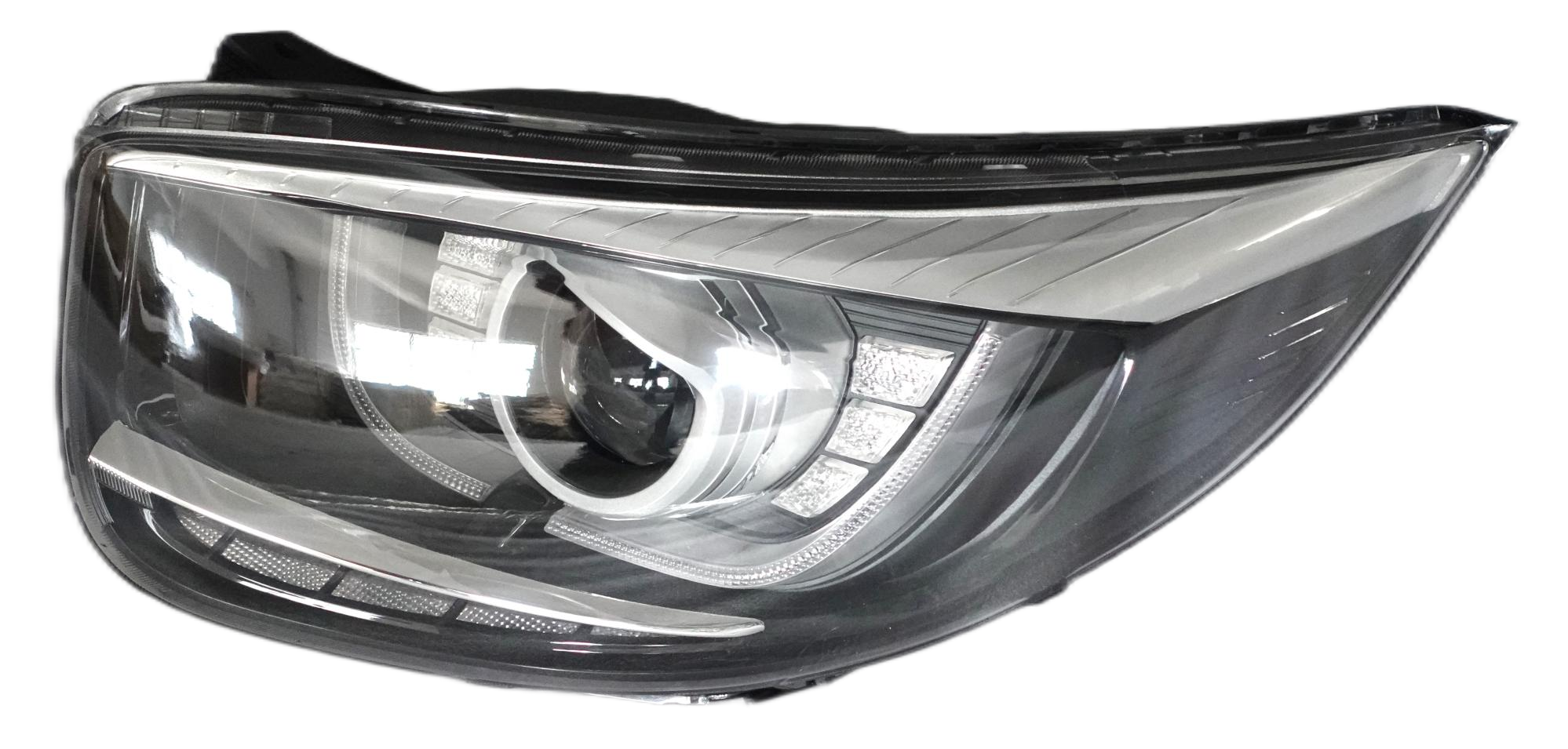
ယာဉ်လုံခြုံရေး စံနှုန်းတွေ ဆက်လက် ပြောင်းလဲလာတာနဲ့အမျှ မှန်ကန်တဲ့ ကားအလင်း နည်းပညာကို ရွေးချယ်ခြင်းဟာ ပိုပိုပြီး အရေးပါလာပါတယ်။ ခေတ်သစ် ယာဉ်မောင်းတွေဟာ မီးလုံးစနစ်တွေကို ရွေးချယ်တဲ့အခါ အထူးသဖြင့် နှိုင်းယှဉ်တဲ့အခါ အရေးပါတဲ့ ဆုံးဖြတ်ချက်တစ်ခုနဲ့ ရင်ဆိုင်နေရပါတယ်။ LED ဟെഡ് ലാമ്പ് အစဉ်အလာ halogen အစားထိုးပစ္စည်းတွေနဲ့ ယှဉ်ပြိုင်တဲ့ နည်းပညာပါ။ ဒီအပြည့်အဝလေ့လာမှုက ဒီမီးလုံးနည်းပညာနှစ်ခုကြားက အခြေခံခြားနားမှုတွေကို စစ်ဆေးပြီး ယာဉ်ပိုင်ရှင်တွေကို သူတို့ရဲ့ ကားမီးလုံးလိုအပ်ချက်တွေနဲ့ ပတ်သက်ပြီး အသိအမှတ်ပြု ဆုံးဖြတ်ချက်ချဖို့ ကူညီပါတယ်။ ရွေးချယ်မှုတစ်ခုစီ၏ စွမ်းဆောင်ရည်လက္ခဏာများ၊ ကုန်ကျစရိတ်သက်ရောက်မှုများနှင့် ရေရှည်အကျိုးကျေးဇူးများကို နားလည်ခြင်းသည် ယာဉ်မောင်းများကို ၎င်းတို့၏ အထူးလိုအပ်ချက်များနှင့် မောင်းနှင်မှု အခြေအနေများအတွက် အကောင်းဆုံး LED ခေါင်းမီးလုံးပုံစံကို ရွေးချယ်ရန် အခွင့်ပေးသည်။
LED နည်းပညာကို ကားထုတ်လုပ်မှုဆိုင်ရာ အသုံးများတွင် နားလည်ခြင်း
အလင်းထွက်ဒီယိုဒိုက် အခြေခံအချက်များ
လျှပ်စစ်မီးအလင်းရောင်ထုတ်လုပ်သည့် ဒိုင်ယုဒ်များ (LED) သည် ကားအလင်းရောင်နည်းပညာတွင် တော်လောက်သည့် တီထွင်မှုအသစ်ဖြစ်ပြီး ရောင်ခြည်ဖော်ပေးမှုနည်းလမ်းများနှင့် နှိုင်းယှဉ်လျှင် ပိုမိုကောင်းမွန်သည့် စွမ်းဆောင်ရည်များကို ပေးစေပါသည်။ LED ခေါင်းမီးစနစ်သည် လျှပ်စစ်စီးကောင်းမှုကို ဖော်ပေးသည့် အခြေခံအားဖြင့် နောက်ခံအားဖော်ပေးသည့် ပစ္စည်းများကို အသုံးပြုပါသည်။ ထိုသို့သော အလင်းရောင်များသည် အလွန်ထိရောက်မှုရှိပြီး အလင်းရောင်အား အသုံးပြုသည့် နေရာတွင် အလွန်တိကျစွာ ဖော်ပေးနိုင်ပါသည်။ ဤအမှုန်များဖော်ပေးသည့် နည်းပညာသည် အလွန်ပေါ့ပါးသည့် မီးခိုးများ သို့မဟုတ် ဓာတ်ငွေသည် ပါဝင်သည့် အိုင်းများကို မလိုအပ်တော့ပါ။ ထို့ကြောင့် ပိုမိုခိုင်ခံ့ပြီး ယုံကြည်စိတ်ချရသည့် အလင်းရောင်ဖော်ပေးမှုများကို ပေးစေပါသည်။ အမှုန်များဖော်ပေးသည့် အဆောက်အအုပ်သည် LED ခေါင်းမီးများကို အပူချိန်နိမ့်များတွင် လုပ်ဆောင်နိုင်စေပါသည်။ ထို့အပေါ်အခြေခံ၍ အလွန်တောက်ပြောင်ပြီး အချိန်ကြာများအထိ တူညီသည့် အလင်းရောင်များကို ထုတ်လုပ်ပေးနိုင်ပါသည်။
LED ဟက်ဒ်လမ်းပေါ်တွင် အသုံးပြုသည့် နည်းပညာ၏ အခြေခံအားသာချက်များသည် လျှပ်စစ်စွမ်းအားကို အပူထုတ်လုပ်မှုအနည်းငယ်ဖဲ့သာ တိုက်ရိုက်အလင်းရောင်အဖြစ် ပြောင်းလဲနိုင်သည့် စွမ်းရည်တွင် ရှိပါသည်။ ရောင်စုံမှုများဖြစ်သည့် အရေးကြီးသည့် အလင်းရောင်ထုတ်လုပ်မှုနည်းလမ်းများသည် အပူထုတ်လုပ်မှုအတွင်း စွမ်းအားအများအပြားကို ဖုန်းစွမ်းအားဖြစ်စေပါသည်။ ထို့အတွက်ကြောင့် LED စနစ်များသည် ၈၀ ရှိသည့် အထက် ပြောင်းလဲမှု ထိရောက်မှုများကို ရရှိပါသည်။ ဤထိရောက်မှုသည် ယာဉ်၏ လျှပ်စစ်စနစ်များအပေါ် ဖိအားလျော့နည်းစေပါသည်။ ထို့အတွက်ကြောင့် လောင်စာစွမ်းအား ပိုမိုကောင်းမွန်လာပါသည်။ ခေတ်မှီ LED ဟက်ဒ်လမ်းပေါ်တွင် အသုံးပြုသည့် စနစ်များတွင် အလူမီနီယမ် အပူစုပ်ချိန်များနှင့် အပူဆက်သွယ်မှု ပစ္စည်းများ အပါအဝင် အဆင့်မြင့် အပူစီမံခန့်ခွဲမှုစနစ်များကို ထည့်သွင်းထားပါသည်။ ထို့ကြောင့် လုပ်ဆောင်မှုအခြေအနေများ ပိုမိုပြင်းထန်သည့် အခြေအနေများတွင်ပါ အကောင်းဆုံး လုပ်ဆောင်မှုကို အာမခံပေးပါသည်။
အဆင့်မြင့် LED ဟက်ဒ်လမ်းပေါ်တွင် အသုံးပြုသည့် လုပ်ဆောင်ချက်များ
ခေတ်မီ LED ဦးခေါင်းမီးစနစ်များသည် စွမ်းဆောင်ရည်နှင့် လုပ်ဆောင်ခွင့်ကို မြင့်တင်ပေးရန် အဆင့်မြင့် ထိန်းချုပ်မှုအီလက်ထရွန်နစ်များနှင့် မှန်ပေါင်းဒီဇိုင်းအစိတ်အပိုင်းများကို ပါဝင်စေသည်။ လိုက်လျောညီထွေဖြစ်သော မီးအလင်းပေးမှုလုပ်ဆောင်ခွင့်များသည် LED ဦးခေါင်းမီးယူနစ်များကို မောင်းနှင်မှုအခြေအနေများ၊ ယာဉ်၏အမြန်နှုန်းနှင့် မီးချုပ်မှုအချက်အလက်များအရ မီးအလင်းပေးမှုပုံစံများကို အလိုအလျောက်ညှိပေးနိုင်သည်။ ဤအသိဉာဏ်ရှိသော စနစ်များသည် ရှေ့ဘက်သို့ မြင်ကွင်းကို အများဆုံးအထိ မြှင့်တင်ပေးရန်နှင့် ဆန်းနေသော ယာဉ်များအတွက် မီးအလင်းပေးမှုကို အနည်းဆုံးအထိ လျှော့ချရန် အလင်းပေးမှုဖြန့်ဖြူးမှုကို အကောင်းဆုံးဖြစ်အောင် လုပ်ဆောင်ပေးသည်။ အဆင့်မြင့် LED ဦးခေါင်းမီးပုံစံများသည် ဒိုင်ယုဒ်အစိတ်အပိုင်းများကို ရွေးချယ်စွမ်းရည်ဖြင့် အလိုအလျောက်ဖွငေးပေးနိုင်ပြီး လှည့်ခေါက်မှုအချိန်တွင် ဘေးဘက်မြင်ကွင်းနှင့် ထောင်ထောင်ထောင်မီးအလင်းပေးမှုကို မြှင့်တင်ပေးရန် အပေါ်ယံမီးအလင်းပေးမှုပုံစံများကို ဖန်တီးပေးနိုင်သည်။
အရှိန်အလျားအလိုက် အပြောင်းအလဲ ထိန်းချုပ်ရေးစနစ်များကြောင့် LED ခေါင်းမီးလုံးများတွင် တိကျသော တောက်ပမှု ထိန်းချုပ်မှုနှင့် ချက်ချင်း တုံ့ပြန်မှု အချိန်များ ရရှိနိုင်သည်။ အပူချိန်ချိန်များ လိုအပ်တဲ့ halogen မီးလုံးများနှင့်မတူဘဲ LED ခေါင်းမီးလုံးစနစ်များသည် ဖွင့်လိုက်တာနဲ့ ချက်ချင်း အပြည့်အဝ တောက်ပလာပါတယ်။ ချက်ချင်း အလင်းပေးခြင်းရဲ့ ဒီစွမ်းရည်ဟာ နေ့အချိန်မှာ လည်ပတ်တဲ့ အလင်းသုံးစွဲမှုတွေနဲ့ အရေးပေါ် အချက်ပြမှု လုပ်ဆောင်ချက်တွေမှာ အထူး အကျိုးရှိတယ်လို့ သက်သေထူပြတယ်။ ခေတ်သစ် LED ခေါင်းမီးလုံးများတွင် အရောင်အပူချိန်ကို အကောင်းမွန်ဆုံး ပြုပြင်နိုင်ခြင်းဖြင့် နေ့ရောင်နှင့် ညီမျှသော အလင်းရောင် ရရှိနိုင်ပြီး ကားမောင်းချိန်ကြာမြင့်လာသည့်အခါ မျက်လုံးများအားပန်းစေသည်။
Halogen နည်းပညာ ဆန်းစစ်ခြင်းနှင့် ကန့်သတ်ချက်များ
အစဉ်အလာ Halogen Bulb တည်ဆောက်မှု
ဟက်လိုဂျင် ဟက်ဒ်လိုက်စနစ်များသည် ဟက်လိုဂျင်ဓာတ်ငွေရှိသော ကွာတြဇ်အီးဂ်လပ်စ်များအတွင်းတွင် တန်စတင်ဖီလာမိန့်နည်းပညာကို အသုံးပြုသည်။ ဤအဆောက်အအုံနည်းသည် ရိုးရှင်းမှု၊ စျေးနောက်ခံနှင့် အစားထိုးရန် လွယ်ကူမှုတို့ကြောင့် ဆိုင်ကယ်များတွင် အလင်းရေးစနစ်အဖြစ် ဆယ်စုနှစ်များစွာကြာမျှ အသုံးများခဲ့သည်။ ဟက်လိုဂျင်ဘတ်စ်များသည် တန်စတင်ဖီလာမိန့်များကို လျှပ်စစ်စီးကောင်းများဖြင့် အပူပေးပြီး အလင်းထုတ်ရန် အလင်းရေးဖီလာမိန့်အဖြစ် ပူအောင်လုပ်ခြင်းဖြင့် အလုပ်လုပ်သည်။ ဟက်လိုဂျင်ဓာတ်ငွေပတ်ဝန်းကျင်သည် စံနှုန်းအလင်းရေးဘတ်စ်များနှင့် နှိုင်းယှဉ်ပါက ပိုမိုမြင့်မားသော အလုပ်လုပ်သည့် အပူခါးများကို ဖော်ပေးနိုင်ပြီး ဟက်လိုဂျင် ပြန်လည်ပုံဖော်မှုစက်စနစ်ကြောင့် အလင်းထုတ်မှုပမာဏ တိုးမြင့်လာပြီး ဖီလာမိန့်အသက်ကြာမှုကို တိုးမြင့်စေသည်။
ဟလိုဂျင်နည်းပညာ၏ အခြေခံကန့်သတ်ချက်များသည် အပူထုတ်လုပ်မှုအပေါ် မှီခိုနေခြင်းမှ စတင်ပါသည်။ ဤအပူထုတ်လုပ်မှုသည် အလင်းရှိမှုအတွက် စွမ်းအင်အများအပြားကို အပူအဖြစ် အသုံးမြုခြင်းဖြင့် အလွန်များစွာသော စွမ်းအင်ကို ဖုန်းစွန်းခြင်းဖြစ်စေပါသည်။ ဟလိုဂျင် ဟက်ဒ်လိုက်များသည် လျှပ်စစ်စွမ်းအင်၏ ၁၀-၁၅ ရှုံးနေသည့် အလင်းကိုသာ ထုတ်လုပ်နိုင်ပြီး ကျန်ရှိသည့် စွမ်းအင်များသည် အပူအဖြစ် ပျံ့နှံ့သွားပါသည်။ ဤစွမ်းဆောင်ရည်နည်းပါးမှုကြောင့် အစိတ်အပိုင်းများ ပျက်စီးခြင်းကို ကာကွယ်ရန် အားကောင်းသည့် အအေးခံစနစ်များနှင့် အပူခံနိုင်ရည်ရှိသည့် အိမ်အဖွဲ့အစည်းများ လိုအပ်ပါသည်။ ထို့အပါအဝင် ဟလိုဂျင် ဖိုင်လာများသည် တုန်ခါမှုနှင့် တိုက်မိမှုများအတွက် အလွန်ထိခိုက်လွယ်ပါသည်။ အထူးသဖြင့် လမ်းအခြေအနေများကြောင့် အလင်းစနစ်များသည် စွမ်းအင်များဖြင့် အဆက်မပုတ် စွမ်းအင်ဖိအားကို ခံနေရသည့် အားသော အလုပ်အများအပြားရှိသည့် အောဟတိုမိုတိုင်းဖ် ပတ်ဝန်းကျင်များတွင် ဖြစ်ပါသည်။
ဟလိုဂျင် စနစ်များ၏ စွမ်းဆောင်ရည် အင်္ဂါရပ်များ
ဟက်လိုဂျင် ဟက်ဒ်လိုက်စနစ်များသည် ၃၀၀၀K မှ ၃၅၀၀K အထိ အရောင်အပူခါးများဖြင့် နွေးထွေးသော အလင်းရောင်ကို ထုတ်လုပ်ပေးပြီး အချို့သော မောင်းသူများသည် လေထုအခြေအနေအချို့တွင် အဝါရောင်များသော အလင်းရောင်ကို နှစ်သက်ကြသည်။ သို့သော် ဤနွေးထွေးသော အရောင်အပူခါးများသည် LED ဟက်ဒ်လိုက်များနှင့် နှိုင်းယှဉ်ပါက အလင်းရောင်အတိမ်အနက် ပိုမိုကောင်းမွန်စေရန် အထောက်အကူပေးမှု နည်းပါးပါသည်။ ထို့ကြောင့် ညဘက်မောင်းနှင်ချိန်တွင် အရာဝတ္ထုများကို မှန်ကန်စွာ မှတ်မိနိုင်မှု လျော့နည်းသွားနိုင်ပါသည်။ ဟက်လိုဂျင် ဘောလ်ဘ်များသည် အသုံးပြုမှုကြာမှုအတွင်း အလင်းရောင်ထုတ်လုပ်မှု တဖြည်းဖြည်း လျော့နည်းလာပါသည်။ ဖိလ်မေးန့်များပေါ်တွင် ပစ္စည်းအနိုင်အနက်များ စုပုံလာခြင်းနှင့် ဖွဲ့စည်းပုံဆိုင်ရာ ပြောင်းလဲမှုများ ဖြစ်ပေါ်လာခြင်းတွင် အလင်းရောင်အတိမ်အနက် တဖြည်းဖြည်း လျော့နည်းလာပါသည်။
Halogen မီးလုံးများအတွက် အစားထိုးမှု စက်ဝန်းသည် ပုံမှန်အားဖြင့် လည်ပတ်ချိန် နာရီ ၅၀၀ မှ ၁၀၀၀ အထိရှိပြီး ပုံမှန် ပြုပြင်ထိန်းသိမ်းမှုနှင့် ဆက်စပ်သော အလုပ်သမားကုန်ကျစရိတ်များ လိုအပ်သည်။ Halogen headlight စနစ်များသည် LED ခေါင်းမီးများ၏ အစားထိုးပစ္စည်းများထက် လျှပ်စစ်စွမ်းအင်ကို သိသိသာသာ ပိုသုံးစွဲကြပြီး ယာဉ်များအား အားသွင်းသည့် စနစ်များအပေါ် ထပ်မံလိုအပ်ချက်များ ရှိလာစေပြီး လျှပ်စစ်စွမ်းအင် အနည်းဆုံးရှိသည့် ယာဉ်များတွင် လောင်စာ ထိရောက်မှုကို ထိခိုက်စေနိုင်သည်။ ခေတ်သစ် halogen ဒီဇိုင်းများတွင် အလင်းဖြန့်ဝေမှုကို အကောင်းဆုံးဖြစ်စေရန် တိုးတက်သော အလင်းပြန်စက် ဂျီသြမေတြီများနှင့် မှန်ဘီလူးစနစ်များပါဝင်သော်လည်း အခြေခံကျသော ထိရောက်မှု ကန့်သတ်ချက်များကြောင့် LED ခေါင်းမီးလုံးများ၏ စွမ်းဆောင်ရည်လက္ခဏာများနှင့် ကိုက်ညီမှုမရှိနိုင်ပါ။
နှိုင်းယှဉ်မှုအဖွဲ့အစည်းအားဖြင့် အလုပ်လုပ်မှုအခြေခံချက်များ
အလင်းထွက်နှုန်းနှင့် မြင်သာမှု တိုးမြှင့်ခြင်း
LED ခေါင်းမီးနှင့် halogen နည်းပညာများကို တိုက်ရိုက်နှိုင်းယှဉ်ကြည့်ခြင်းဖြင့် အလင်းရောင်စွမ်းဆောင်ရည်နှင့် မြင်နိုင်စွမ်း မြှင့်တင်နိုင်စွမ်းတို့တွင် သိသာထင်ရှားသော ကွာခြားချက်များကို ဖော်ပြသည်။ LED ခေါင်းမီးစနစ်များသည် halogen အစားထိုးမီးများထက် ဝပ်လျှင် lumens ၂-၃ ဆ ပိုမိုထုတ်လုပ်လေ့ရှိပြီး လျှပ်စစ်ဓာတ်အား နည်းပါးစွာအသုံးပြု၍ လမ်းမီးအလင်းရောင်ကို သိသိသာသာ ပိုမိုတောက်ပစေသည်။ ဤထိရောက်မှု မြင့်တက်လာခြင်းသည် LED ခေါင်းမီးဖွဲ့စည်းပုံများကို မြင်နိုင်စွမ်း ကျယ်ပြန့်စေပြီး အထူးသဖြင့် အဝေးပြေးလမ်းမကြီး မောင်းနှင်မှုနှင့် ရှေ့သို့ အလင်းရောင်အကွာအဝေးသည် ဘေးကင်းရေးအတွက် အရေးကြီးသည့် ကျေးလက်လမ်းအခြေအနေများအတွက် အကျိုးရှိစေသည်။
LED ဟက်ဒ်လမ်းပေါ်စနစ်များ၏ အလင်းရောင်အပူချိန် သတ်မှတ်ချက်များသည် ၄၀၀၀K မှ ၆၅၀၀K အထိ အများအားဖြင့် ရှိပါသည်။ ထိုအလင်းရောင်သည် နေ့ခင်းဘက် အလင်းရောင်နှင့် ညီမျှသော အလင်းရောင်ဖော်ပေးပါသည်။ ထိုအလင်းရောင်သည် အမျှင်အကွာအဝေးကို ပိုမိုကောင်းမွန်စေပါသည်။ ထို့အပေါ်အခြေခံ၍ မျက်စိများ ပင်ပန်းမှုကို လျော့နည်းစေပါသည်။ ဤအေးမြသော အလင်းရောင်အပူချိန်သည် ဟယ်လိုဂျင် ဟက်ဒ်လမ်းပေါ်များမှ ထုတ်လုပ်သော ပိုမိုနွေးသော အလင်းရောင်ထက် လမ်းများပေါ်ရှိ အမှတ်အသားများ၊ လမ်းညွှန်များနှင့် ဖြစ်နိုင်ခဲ့သည့် အန္တရာယ်များကို ပိုမိုကောင်းမွန်စေပါသည်။ LED ဟെഡ് ലാമ്പ് နည်းပညာသည် အဆင့်မြင့်အလင်းရောင်ဒီဇိုင်းများကုန်ဖောက်သည်အားဖြင့် အလင်းရောင်အမျှတစ်ခုကို တိကျစွာထိန်းချုပ်နိုင်စေပါသည်။ ထို့ကြောင့် အလင်းရောင်အမျှတစ်ခုကို ပိုမိုတိကျစွာဖြတ်တောက်နိုင်ပါသည်။ အလင်းရောင်ဖြန့်ဖြူးမှုသည်လည်း အလင်းရောင်ဖြန့်ဖြူးမှုနေရာတွင် ပိုမိုတည်ငြိမ်စွာဖြန့်ဖြူးနိုင်ပါသည်။
အင်္ဂါရှို့မှုနှင့် ပတ်ဝန်းကျင်ပိုင်းယူမှု
LED ဟက်ဒ်လံ့ပ်များနှင့် ဟယ်လိုဂဲန်စနစ်များအကြား စွမ်းအင်သုံးစွ expend ခြင်းကွာခြားမှုများသည် ယာဥ်၏ လျှပ်စစ်စနစ်အား စွမ်းဆောင်ရည်နှင့် ပတ်ဝန်းကျင်ထိန်းသိမ်းရေး တိုးတက်မှုအပေါ် တိက်တိက်ကွဲကွဲသော သက်ရောက်မှုများကို ဖော်ပြပါသည်။ LED ဟက်ဒ်လံ့ပ်များသည် အလားတူ ဟယ်လိုဂဲန်စနစ်များထက် လျှပ်စစ်စွမ်းအင်သုံးစွ expend ခြင်းကို ၂၅-၅၀% အထိ လျော့နည်းစေပါသည်။ ထို့ကြောင့် အယ်လ်တာနိုရ်အား ပိုမိုလေးလံစေခြင်းကို လျော့နည်းစေပါသည်။ ယေဘုယျအားဖြင့် လေးလံမှုကို လျော့နည်းစေခြင်းဖြင့် အင်ဟ်စ်ကို ပိုမိုထိရောက်စေပါသည်။ ဤသို့သော လျှပ်စစ်စွမ်းအင်သုံးစွ expend ခြင်းလျော့နည်းမှုသည် ဟိုက်ဘရစ်နှင့် လျှပ်စစ်ယာဥ်များတွင် အထူးအကျေးဇူးပါသည်။ အဘယ်ကြောင့်ဆိုသော် ဝပ်တစ်ခုစီကို ခြွေတာခြင်းဖြင့် မောင်းနှင်မှုအကွာအဝေးနှင့် စနစ်၏ စွမ်းဆောင်ရည်ကို တိုးတက်စေပါသည်။
ပတ်ဝန်းကျင်ဆိုင်ရာ အကြောင်းအရာများသည် LED ခေါင်းလေးမှုန်းစနစ်ကို အလွန်ရှည်လျားသော အလုပ်လုပ်နိုင်မှု သက်တမ်းများနှင့် ပစ္စည်းအသုံးပြုမှု လျော့နည်းခြင်းတို့ကြောင့် အထောက်အပံ့ပေးပါသည်။ အရည်အသွေးကောင်းမော်ဒယ် LED ခေါင်းလေးမှုန်းစနစ်များသည် ဟာလိုဂဲန် မှုန်းများ၏ ၅၀၀-၁၀၀၀ နှစ်မှုန်းအတွက် ၂၅,၀၀၀-၅၀,၀၀၀ နှစ်မှုန်းအထ do အလုပ်လုပ်နိုင်ပါသည်။ ထိုကြောင့် အစားထိုးမှု အကြိမ်ရေအား အလွန်အမင်း လျော့နည်းစေပြီး အသုံးပြုပြီးသော ပစ္စည်းများ ထုတ်လုပ်မှုကိုလည်း လျော့နည်းစေပါသည်။ LED ခေါင်းလေးမှုန်းအစိတ်အပိုင်းများ၏ အခဲပုံစံ တည်ဆောက်မှုသည် ရှေးဟောင်း မှုန်းစနစ်များတွင် တွေ့ရှိရသည့် အန္တရာယ်များရှိသော ပစ္စည်းများကို ဖယ်ရှားပေးပါသည်။ ထိုကြောင့် ပတ်ဝန်းကျင်အတွက် ပိုမိုတည်မြဲသော အလုပ်လုပ်မှုနည်းလမ်းများကို အထောက်အပံ့ပေးပါသည်။ အသုံးပြုပြီးသော ပစ္စည်းများကို စွန့်ပစ်ရာတွင် ဖြစ်ပေါ်လာနိုင်သည့် ပတ်ဝန်းကျင်ဆိုင်ရာ ပြဿနာများကိုလည်း လျော့နည်းစေပါသည်။
တည်ဆောက်ခြင်းနှင့် လုပ်ငန်းရှင်းများအကြောင်း
အသုံးပြုပြီးသော စနစ်ကို ပြန်လည်တပ်ဆင်ခြင်း ရှုပ်ထွေးမှု
ဟလိုဂျင်မှ LED ခေါင်းမီးစနစ်သို့ ပြောင်းလဲခြင်းတွင် အများအားဖြင့် လျှပ်စစ်သ совместим်ုက်မှု၊ အပူစီမံခန့်ခွဲမှုနှင့် စည်းမျဉ်းစည်းကမ်းမှုဆိုင်ရာ ကုန်ကျစရိတ်များကို ထည့်သွင်းစဉ်းစားရန် လိုအပ်ပါသည်။ ခေတ်မှီ LED ခေါင်းမီး ပြုပြင်မှုကုန်ပစ္စည်းများတွင် အထူးပြုထားသော ဒရိုင်ဘာစားကပ်များနှင့် အအေးခံစနစ်များ ပါဝင်ပြီး ၎င်းတို့သည် ခေါင်းမီးအိမ်များနှင့် လျှပ်စစ်ချိတ်ဆက်မှုများကို ပြုပြင်မှုများ လိုအပ်နိုင်ပါသည်။ ကျွမ်းကျင်သော ပြုပြင်မှုပြုလုပ်ခြင်းဖြင့် မီးခေါင်းအမျှင်ပုံစံကို မှန်ကန်စွာ ညှိပေးနိုင်ပြီး ယာဥ်၏ လျှပ်စစ်စနစ်များ သို့မဟုတ် စည်းမျဉ်းစည်းကမ်းမှုဆိုင်ရာ ခွင့်မောက်မှုများကို ကာကွယ်ပေးနိုင်ပါသည်။
LED ခေါင်းမီးစနစ်များအတွက် အပူစီမံခန့်ခွဲမှုလိုအပ်ချက်များသည် ဟယ်လိုဂ်န် ထောင်ပုံစံများနှင့် သိသိသာသာကွဲပြားပါသည်။ ထို့ကြောင့် လေဝင်လေထွက်ကောင်းမှုနှင့် အပူပေါ်လွှမ်းမှုကို ထိရောက်စွာဖြေရှင်းပေးနိုင်ရန် လိုအပ်ပါသည်။ အရည်အသွေးမြင့် LED ခေါင်းမီးအစိတ်အပိုင်းများတွင် ပေါင်းစပ်ထည့်သွင်းထားသော အအေးခံပေါင်းစပ်မှုများ (cooling fans) သို့မဟုတ် အပူစုပ်ထုတ်မှုဒီဇိုင်းများ (heat sink designs) ပါဝင်ပြီး မီးအိမ်အတွင်း လုံလောက်သော အကွာအဝေးကို ထောက်ပံ့ပေးရန် လိုအပ်ပါသည်။ ထောင်ပုံစံဆိုင်ရာ စဉ်းစားမှုများတွင် LED မောင်းနှင်ရေးစက်များ (LED driver circuits) မှ ထုတ်လွှမ်းသော ရေဒီယိုလှိုင်းအချိန်ပေါ်လွှမ်းမှုများ (radio frequency interference) ကို ဖြေရှင်းရန် အရေးကြီးပါသည်။ ထိုသို့သော အချိန်ပေါ်လွှမ်းမှုများသည် ယာဥ်၏ ဆက်သွယ်ရေးနှင့် ဖျော်ဖြေရေးစနစ်များနှင့် ကိုက်ညီမှုရှိရန် လိုအပ်ပါသည်။
အရှည်ကြာသောအချိန်အတွင်း မော်ငြိမ်ရေးတောင်းဆိုင်ရာ လိုအပ်ချက်များ
LED ခေါင်းမီးစနစ်များသည် ဟယ်လိုဂျင် အစားထိုးများနှင့် နှိုင်းယှဉ်ပါက ထိန်းသိမ်းရန် အနည်းငယ်သာ လိုအပ်ပြီး အဓိကအားဖဲ့ အအေးခံစနစ်၏ အစိတ်အပိုင်းများကို ကာလတိုင်းတွင် သန့်ရှင်းခြင်းနှင့် စစ်ဆေးခြင်းသာ လိုအပ်ပါသည်။ အစားထိုးနိုင်သော မီးသုတ်များ မရှိခြင်းကြောင့် ရေးရှို့မှု စနစ်များနှင့် ဆက်စပ်သည့် အဖြစ်များသော ထိန်းသိမ်းမှုလုပ်ငန်းများကို ဖျက်သိမ်းလိုက်ပါသည်။ သို့သော် LED ခေါင်းမီးအစုအဝေးများသည် အချိန်ကြာမှုနှင့်အမျှ ဒရိုင်ဘာစားက်ကူးများ သို့မဟုတ် အအေးခံပေါင်းများကို အစားထိုးရန် လိုအပ်လာနိုင်ပါသည်။ ယင်းသို့သော အစားထိုးမှုများသည် နှစ်များစွာကြာမှုအက်ဖ်တွင် ဖြစ်ပေါ်လာပြီး ဟယ်လိုဂျင်မီးသုတ်များကို အစားထိုးရန် လိုအပ်သည့် ကာလများထက် သိသိသာသာ ပိုမိုရှည်လျားပါသည်။
ခေတ်မှီ LED ဟက်ဒ်လမ်းပေါ်စနစ်များတွင် အသုံးပြုသည့် ရေးသားထားသည့် စစ်ဆေးရေးစွမ်းရည်များသည် စွမ်းဆောင်ရည် ကျဆင်းမှု သို့မဟုတ် အစိတ်အပိုင်းများ ပျက်စဲမှုကို အစေးအနှေးဖမ်းယူနိုင်စေပါသည်။ အဆင့်မြင့် LED ဟက်ဒ်လမ်းပေါ် အစီအစဉ်များတွင် ကိုယ်တိုင်စောင်းကြည့်သည့် ဆာကျူးများ ပါဝင်ပြီး စနစ်အားလုံး ပျက်စဲမှု ဖြစ်မှုမှီတွင် မောင်းသူများအား ဖြစ်နိုင်ခြေရှိသည့် ပြဿနာများကို အသိပေးပါသည်။ ဤကြိုတင်ကာကွယ်ရေး ထိရောက်မှုသည် မျှော်လင့်မထားသည့် မီးအိမ်စနစ် ပျက်စဲမှုများ ဖြစ်နိုင်ခြေကို လျော့နည်းစေပါသည်။ ထို့အပါအဝင် LED ဟက်ဒ်လမ်းပေါ်စနစ်၏ အသုံးပြုနေသည့် ကာလတစ်လုံးလုံးအတွင်း စွမ်းဆောင်ရည် တည်ငြိမ်မှုကို အာမခံပေးပါသည်။
စရိတ်ခွဲခြမ်းစိတ်ဖြာခြင်းနှင့် ရင်းနှီးမြှုပ်နှံမှုပြန်လည်ရရှိမှု
ကနဦး ရင်းနှီးမြှုပ်နှံမှု နှိုင်းယှဉ်ခြင်း
LED ခေါင်းမီးနဲ့ halogen စနစ်တွေကြားက အစောပိုင်း ကုန်ကျစရိတ် ကွာခြားချက်ဟာ မီးလုံး အဆင့်မြှင့်တင်ရေး ရွေးချယ်မှုတွေကို အကဲဖြတ်တဲ့ ယာဉ်ပိုင်ရှင် အများအပြားအတွက် အဓိက စဉ်းစားစရာပါ။ အရည်အသွေးမြင့် LED ခေါင်းမီးလုံးစုပေါင်းများသည် တူညီသော halogen အစားထိုးမှုထက် ၃-၁၀ ဆပိုကုန်ကျပြီး အစပိုင်းရင်းနှီးမြှုပ်နှံမှုအတွက် သိသိသာသာ အတားအဆီးတစ်ခု ဖန်တီးသည်။ သို့သော်လည်း ကုန်ကျစရိတ် နှိုင်းယှဉ်ရာတွင် LED ခေါင်းမီးလုံး နည်းပညာနှင့် ဆက်စပ်သော သက်တမ်းတိုးခြင်းနှင့် ထိန်းသိမ်းမှုလိုအပ်ချက် လျော့နည်းခြင်းတို့ကို ထည့်သွင်းစဉ်းစားရန် လိုအပ်ပြီး စုစုပေါင်းပိုင်ဆိုင်မှု ကုန်ကျစရိတ်ကို တိကျစွာ အကဲဖြတ်နိုင်ရန် လိုအပ်သည်။
LED ခေါင်းမီးစနစ်များအတွက် ပရော်ဖက်ရှင်နယ် တပ်ဆင်မှုစရိတ်များသည် အပိုများသော ရှုပ်ထွေးမှုနှင့် ညှိနှိုင်းမှုလိုအပ်ချက်များကြောင့် ရိုးရှင်းသော ဟာလိုဂဲန် မီးသုတ်မှု အစားထိုးမှုစရိတ်များထက် ပိုမိုများပါသည်။ သို့သော် LED ခေါင်းမီးစနစ်များ၏ အလုပ်လုပ်နေသည့် သက်တမ်းရှည်ခြင်းကြောင့် ပရော်ဖက်ရှင်နယ် ဝန်ဆောင်မှုများ ပုံမှန်ပြုလုပ်ရန် လိုအပ်မှုများ လျော့နည်းသွားပါသည်။ ထို့ကြောင့် အစပိုင်းတွင် ပိုမိုများပါသော တပ်ဆင်မှုစရိတ်များကို အချိန်ကြာလာသည်နှင့်အမျှ ဖြေရှင်းပေးနိုင်ပါသည်။ ယာဥ်အုပ်စုမှူးများနှင့် အမိုင်းများ အများကြီး မောင်းနှင်သည့် မောင်းသူများသည် ထိန်းသိမ်းရေး ကာလများ လျော့နည်းခြင်းနှင့် LED ခေါင်းမီးစနစ်များ၏ ယုံကြည်စိတ်ချရမှု သတ္တလက္ခဏာများ မြင့်မားခြင်းတို့ကြောင့် ပိုမိုမြန်ဆန်သော ရင်းနှီးမှုပြန်လည်ရရှိမှုကာလများကို ရရှိလေ့ရှိပါသည်။
လုပ်ဆောင်မှုစရိတ် အကျိုးကျေးဇူးများ
ရေရှည် လည်ပတ်မှု ကုန်ကျစရိတ် အကျိုးကျေးဇူးများက လျှပ်စစ်သုံးစွဲမှု လျော့နည်းခြင်း၊ အစားထိုးမှု ကြားကာလ တိုးပွားခြင်း၊ ပိုမိုကောင်းမွန်သော ယုံကြည်မှုလက္ခဏာများဖြင့် LED ခေါင်းမီးလုံး နည်းပညာကို ထောက်ခံသည်။ LED မီးလုံးစနစ်များ၏ စွမ်းအင်သုံးစွဲမှု ပိုနည်းခြင်းက alternator ကို ဝန်ထုပ်လျှော့ချပြီး အထူးသဖြင့် လျှပ်စစ်စနစ် စွမ်းအင်နိမ့်သော ယာဉ်များတွင် လောင်စာထိရောက်မှု တိုးတက်လာစေနိုင်သည်။ ဒီထိရောက်မှု တိုးတက်မှုတွေဟာ အချိန်ကြာလာတာနဲ့အမျှ စုစည်းလာပြီး ပိုမြင့်တဲ့ မူလရင်းနှီးမြှုပ်နှံမှု လိုအပ်ချက်တွေကို လျော့ကျစေတဲ့ တိုင်းတာနိုင်တဲ့ ကုန်ကျစရိတ် သက်သာမှုကို ပေးပါတယ်။
LED ဟက်ဒ်လမ်းပေါ်စနစ်များ၏ အခြားသော အရေးကြီးသော အကျေးနုပ်မှုများထဲတွင် ထိန်းသိမ်းရေးစရိတ် လျော့နည်းခြင်းသည် ပါဝင်ပါသည်။ ဟယ်လိုဂ်ဂ်န် ဘောလ်ဘ်များကို ကာလတိုင်း အစားထိုးရန် လုပ်ဆောင်ရသည့် စရိတ်များနှင့် အဆိုပါ လုပ်ဆောင်မှုများအတွက် လုပ်သမ်းစရိတ်များကို ဖယ်ရှားပေးပါသည်။ LED ဟက်ဒ်လမ်းပေါ်စနစ်များကို တပ်ဆင်ပြီးနောက် ပရော်ဖက်ရှင်နယ် ဟက်ဒ်လမ်းပေါ် ဝန်ဆောင်မှု ကာလများသည် အလွန်အမင်း ရှည်လျားလာပါသည်။ ထို့ကြောင့် အလွန်အမင်း လျော့နည်းသော တိုက်ရိုက်စရိတ်များနှင့် အလင်းစနစ် ထိန်းသိမ်းရေးနှင့် သက်ဆိုင်သည့် ယာဉ်အသုံးမှု ရပ်နားမှုကာလများကို လျော့နည်းစေပါသည်။ LED ဟက်ဒ်လမ်းပေါ်စနစ်များ၏ ပိုမိုကောင်းမွန်သော ယုံကြည်စိတ်ချရမှုသည် ညဘက် မောင်းနှင်မှုအခြေအနေများတွင် မျှော်လင့်မထားသည့် ပျက်စီးမှုများ ဖြစ်ပေါ်လာနိုင်ခြင်းကို လျော့နည်းစေပါသည်။ ထိုသို့သော ပျက်စီးမှုများသည် အမိန့်များ (သို့) လုံခြုံရေးနေရာတွင် စိုးရိမ်မှုများကို ဖြစ်ပေါ်စေနိုင်ပါသည်။
မေးလေ့ရှိသောမေးခွန်းများ။
LED ဟက်ဒ်လမ်းပေါ်များသည် ဟယ်လိုဂ်ဂ်န် ဘောလ်ဘ်များနှင့် နှိုင်းယှဉ်ပါက မည်မျှကြာမှုအထိ အသုံးပြုနိုင်ပါသနည်း။
LED ခေါင်းမီးစနစ်များသည် ပုံမှန်အားဖြင့် အလုပ်လုပ်နေသည့် အချိန် ၂၅,၀၀၀ မှ ၅၀,၀၀၀ နှစ်ကြာမှုရှိပြီး ဟာလိုဂဲန်မီးဘောလ်ဘ်များ၏ ၅၀၀ မှ ၁၀၀၀ နှစ်ကြာမှုကို သိသိသာသာ ကျော်လွန်ပါသည်။ ဤအဆက်မပါသည့် အလုပ်လုပ်နေသည့် ကာလသည် LED ခေါင်းမီးများကို ယေဘုယျအားဖြင့် မောင်းနှင်သည့် အသုံးပုံအရ ၁၅ မှ ၂၅ နှစ်ကြာမှုရှိစေပါသည်။ ထို့အတူ ဟာလိုဂဲန်မီးများသည် ၁ မှ ၂ နှစ်သာ ကြာမှုရှိပါသည်။ LED ခေါင်းမီးနည်းပညာ၏ အမြဲတမ်းအခြေခံသည့် တည်ဆောက်မှုသည် ဟာလိုဂဲန်စနစ်များတွင် မက်ခ်မှုမှုများဖြစ်လေ့ရှိသည့် အလွန်ပေါ့ပါးသည့် ဖိလ်မေးန်များကို ဖျက်သိမ်းပေးပါသည်။ ထို့ကြောင့် ယာဉ်၏ အလုပ်လုပ်နေသည့် ကာလတစ်လုံးလုံးအတွင်း ပိုမိုကောင်းမွန်သည့် ယုံကြည်စိတ်ချရမှုနှင့် ပိုမိုနည်းပါးသည့် ပြုပြင်ထိန်းသိမ်းမှုလိုအပ်ချက်များကို ဖော်ပေးပါသည်။
ကျွန်ုပ်၏ ယာဉ်တွင် မူလက ဟယ်လိုဂ်ဂ်န်ခေါင်းမီးများ ပါရှိခဲ့ပါက ကျွန်ုပ်သည် LED ခေါင်းမီးများကို တပ်ဆင်နိုင်ပါသလား။
LED ခေါင်းမီးများကို မူလက ဟယ်လိုဂ်ဂ်န် ခေါင်းမီးများဖြင့် တပ်ဆင်ထားသည့် ယာဉ်အများစုတွင် ပြောင်းလဲတပ်ဆင်နိုင်သော်လည်း လျှပ်စစ် သ совместим်မှု၊ မီးခေါင်းမီးအလင်းရောင် ပုံစံနှင့် စံသတ်မှတ်ချက်များနှင့် ကိုက်ညီမှု၊ အပူစီမံခန့်ခွဲမှုလိုအပ်ချက်များကို သေချာစွာ စဥ်းစားရန် လိုအပ်ပါသည်။ ပရော်ဖက်ရှင်နယ် တပ်ဆင်မှုသည် မီးခေါင်းမီးများကို မှန်ကန်စွာ ညှိပေးခြင်းနှင့် စံသတ်မှတ်ချက်များနှင့် ကိုက်ညီမှုကို အာမခံပေးခြင်းအပြင် မီးခေါင်းမီးအိုးများနှင့် လျှပ်စစ်ချိတ်ဆက်မှုများတွင် ဖြစ်နိုင်သည့် ပြဿနာများကို ဖြေရှင်းပေးပါသည်။ အရည်အသွေးမြင့် LED ခေါင်းမီး ပြောင်းလဲတပ်ဆင်စက်ကုန်များတွင် မူလစက်ပစ္စည်းများ၏ ခေါင်းမီးအိုးများနှင့် လျှပ်စစ်စနစ်အတွက် သတ်မှတ်ထားသည့် အကန့်အသတ်များအတွင်း အလုပ်လုပ်နိုင်ရန် သင့်လျော်သည့် ဒရိုင်ဘာစက်ကုန်များနှင့် အအေးခံစနစ်များ ပါဝင်ပါသည်။
LED ခေါင်းမီးများသည် အေးမေးသည့် ရာသီဥတုအခြေအနေများတွင် ထိရောက်စွာ အလုပ်လုပ်နိုင်ပါသလား။
LED ခေါင်းမီးစနစ်များသည် ဟယ်လိုဂ်န်အစားထိုးများထက် အေးမေးသောရာသီဥတုအခြေအနေများတွင် ပိုမိုကောင်းမွန်စွာအလုပ်လုပ်နိုင်ပါသည်။ အကြောင်းမှာ ၎င်းတို့၏ အလုပ်လုပ်ရာတွင် အပူခံနိုင်ရည်နိမ့်ပါးခြင်းနှင့် အခဲပုံစံဖွဲ့စည်းမှု (solid-state construction) ရှိခြင်းကြောင့်ဖြစ်သည်။ ဟယ်လိုဂ်န်မီးလုံးများသည် အလွန်အေးမေးသောအခြေအနေများတွင် အကောင်းဆုံးအလုပ်လုပ်နိုင်ရန် အပူခံနိုင်ရည်သို့ ရောက်ရှိရန် အခက်အခဲရှိတတ်သော်လည်း LED ခေါင်းမီးနည်းပညာသည် အပူခံနိုင်ရည်အတွင်း စံချိန်တွင် စိတ်ချရသော စွမ်းဆောင်ရည်ကို ထိန်းသိမ်းပေးနိုင်ပါသည်။ LED ခေါင်းမီးစနစ်များ၏ အပူထုတ်လုပ်မှုနိမ့်ပါးခြင်းကြောင့် မီးခုံများပေါ်ရှိ ရေခဲနှင့် နှင်းများကို အလွယ်တကူ အရည်ပေါက်စေရန် အခက်အခဲဖြစ်နိုင်သော်လည်း ၎င်းတို့၏ ချက်ချင်းဖွငေးခြင်းနှင့် စိတ်ချရသော စွမ်းဆောင်ရည်များသည် အေးမေးသောရာသီဥတုအတွင်း မေးခွန်းများစွာရှိသော မောင်းနှင်မှုအခြေအနေများတွင် ပိုမိုကောင်းမွန်သော ယုံကြည်စိတ်ချရမှုကို ပေးစေပါသည်။
LED ခေါင်းမီးတပ်ဆင်မှုများအတွက် အဓိကစည်းမျဉ်းစည်းကမ်းဆိုင်ရာ အကြောင်းအရာများများမှာ အဘယ်နည်း။
LED ခေါင်းမီးစနစ်များကို အလင်းရောင်ပုံစံ၊ အလင်းအားသန်မှုနှင့် အရောင်အပူချိန် သတ်မှတ်ချက်များနှင့် ပတ်သက်သည့် ဒေသတွင်း ယာဉ်လုံခြုံရေးစည်းမျဉ်းများနှင့် ကိုက်ညီရန် လိုအပ်ပါသည်။ ပရော်ဖက်ရှင်နယ် တပ်ဆင်မှုသည် စည်းမျဉ်းများနှင့် ကိုက်ညီမှုရှိစေရန်အတွက် မီးခေါင်းများ၏ မှန်ကန်သော ရည်ညွှန်းမှုနှင့် အလင်းရောင် ကုန်းပေါ်မှု အစွန်းများကို အာမခံပေးပါသည်။ ထို့အပ alongside စွမ်းဆောင်ရည်အကျိုးကျေးဇူးများကို အများဆုံးဖော်ထုတ်ပေးပါသည်။ အော်တိုမောဘိုင်းလ်အသုံးအဆောင်များအတွက် ဒီဇိုင်းရေးဆွဲထားသည့် အရည်အသွေးမြင့် LED ခေါင်းမီးစနစ်များတွင် သက်ဆိုင်ရာ လိုင်စင်များနှင့် ဒီဇိုင်းအင်္ဂါရပ်များ ပါဝင်ပါသည်။ ထိုအင်္ဂါရပ်များသည် ထုတ်လုပ်သူ၏ ညွှန်ကောင်းများနှင့် ဒေသတွင်း ယာဉ်လုံခြုံရေးစံနှုန်းများအတိုင်း မှန်ကန်စွာ တပ်ဆင်ခြင်းနှင့် ညှိခြင်းကို အာမခံပေးပါသည်။
အကြောင်းအရာများ
- LED နည်းပညာကို ကားထုတ်လုပ်မှုဆိုင်ရာ အသုံးများတွင် နားလည်ခြင်း
- Halogen နည်းပညာ ဆန်းစစ်ခြင်းနှင့် ကန့်သတ်ချက်များ
- နှိုင်းယှဉ်မှုအဖွဲ့အစည်းအားဖြင့် အလုပ်လုပ်မှုအခြေခံချက်များ
- တည်ဆောက်ခြင်းနှင့် လုပ်ငန်းရှင်းများအကြောင်း
- စရိတ်ခွဲခြမ်းစိတ်ဖြာခြင်းနှင့် ရင်းနှီးမြှုပ်နှံမှုပြန်လည်ရရှိမှု
-
မေးလေ့ရှိသောမေးခွန်းများ။
- LED ဟက်ဒ်လမ်းပေါ်များသည် ဟယ်လိုဂ်ဂ်န် ဘောလ်ဘ်များနှင့် နှိုင်းယှဉ်ပါက မည်မျှကြာမှုအထိ အသုံးပြုနိုင်ပါသနည်း။
- ကျွန်ုပ်၏ ယာဉ်တွင် မူလက ဟယ်လိုဂ်ဂ်န်ခေါင်းမီးများ ပါရှိခဲ့ပါက ကျွန်ုပ်သည် LED ခေါင်းမီးများကို တပ်ဆင်နိုင်ပါသလား။
- LED ခေါင်းမီးများသည် အေးမေးသည့် ရာသီဥတုအခြေအနေများတွင် ထိရောက်စွာ အလုပ်လုပ်နိုင်ပါသလား။
- LED ခေါင်းမီးတပ်ဆင်မှုများအတွက် အဓိကစည်းမျဉ်းစည်းကမ်းဆိုင်ရာ အကြောင်းအရာများများမှာ အဘယ်နည်း။