 EN
EN

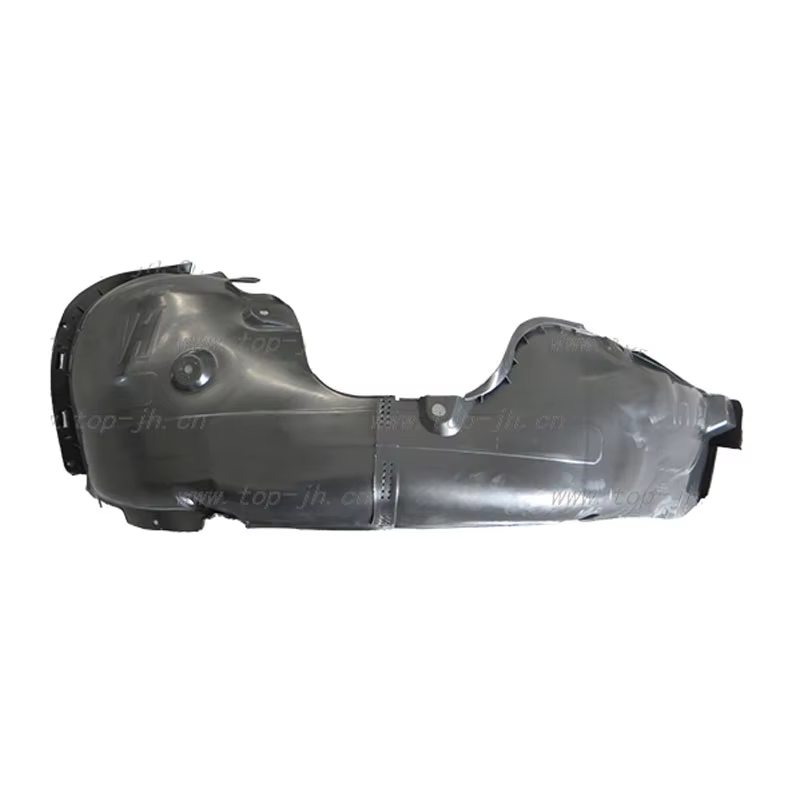
Ավտոմոբիլային աերոդինամիկան ներկայացնում է ժամանակակից մեքենաների նախագծման ամենակритիկ ասպեկտներից մեկը, որտեղ յուրաքանչյուր բաղադրիչ կարևոր դեր է խաղում ընդհանուր արդյունքի, վառելիքի խնայողության և վարումի դինամիկայի որոշման մեջ։ մաքսային կողմնական գնդեր կողային անվային ծածկոցը (ֆենդերը) այս բարդ աերոդինամիկ հավասարումում հատկապես ազդեցիկ տարր է, որը ծառայում է ոչ միայն որպես անվային խորշերի պաշտպանական ծածկույթ, այլև որպես ակտիվ մասնակից՝ կառավարելով մեքենայի շուրջ օդի հոսանքը։ Մեքենայի կողային ֆենդերների ձևավորման ազդեցությունը աերոդինամիկայի վրա հասկանալու համար անհրաժեշտ է հետազոտել ձևի և գործառույթի միջև բարդ փոխհարաբերությունը, որտեղ էսթետիկ գրավչությունը պետք է համատեղվի գիտական ճշգրտության հետ՝ հասնելու օպտիմալ արդյունքների:
Մեքենայի կողային ֆենդերի կոնֆիգուրացիայի ազդեցությունը շատ ավելի մեծ է, քան մակերեսային համարձակումները՝ ներթափանցելով մեխանիկայի և թերմոդինամիկայի սկզբունքների ոլորտ, որոնք կառավարում են մեքենայի աշխատանքը: Մեքենայի կողային ֆենդերի յուրաքանչյուր կորը, անկյունը և չափսերի սահմանափակումները նպաստում են ընդհանուր աերոդինամիկ պրոֆիլի ձևավորմանը՝ ստեղծելով կա՛մ օգտակար, կա՛մ վնասակար ազդեցություն դիմադրության գործակցի, վերևի ուժի առաջացման և ճնշման բաշխման վրա: Ժամանակակից ավտոմոբիլային ինժեներները մեծ ռեսուրսներ են ներդնում այս փոխհարաբերությունների հասկացման մեջ՝ օգտագործելով բարդ համակարգչային հեղուկի դինամիկայի մոդելավորում և քամու խողովակներում փորձարկումներ՝ մեքենայի կողային ֆենդերի դիզայնը օպտիմալացնելու համար առավելագույն աերոդինամիկ արդյունավետության հասնելու նպատակով:
Ֆենդերի դիզայնում հիմնարար աերոդինամիկ սկզբունքներ
Ճնշման բաշխման կառավարում
Մեքենայի կողմնային ֆենդերը կարևոր դեր է խաղում անիվների խոռոչների և հարակից մեքենայի մարմնի պանելների շուրջ ճնշման բաշխման կառավարման մեջ՝ ստեղծելով տարբեր օդային ճնշման գոտիներ, որոնք ուղղակիորեն ազդում են մեքենայի կայունության և աշխատանքի վրա: Երբ օդը հանդիպում է մեքենայի կողմնային ֆենդերի առջևի մասին, այն ստիպված է շրջանցել կորացված մակերևույթները՝ միաժամանակ պահպանելով դրանց միացումը՝ խուսափելու համար խառնված անջատման առաջացումից: Այս մակերևույթների երկրաչափական ձևը որոշում է, թե օդի հոսանքը կմնա լամինար, թե կանցնի խառնված տարաբերության վիճակի, ինչը կարևոր ազդեցություն է ունենում մեքենայի ընդհանուր դիմադրության գործակցի վրա:
Մեքենայի կողմնային ֆենդերի մակերևույթների ստրատեգիական ձևավորումը թույլ է տալիս ինժեներներին ստեղծել բարենպաստ ճնշման գրադիենտներ, որոնք նվազեցնում են մեքենայի աերոդինամիկայի վրա վնասակար ազդեցությունները: Մեքենայի կողմնային ֆենդերի և հարակից մարմնի պանելների միջև անցման գոտիները պահանջում են հատուկ ուշադրություն, քանի որ սուր եզրերը կամ անընդհատ մակերևույթները կարող են առաջացնել սահմանային շերտի վաղաժամկետ անջատում: Առաջադեմ կողմնային ֆենդերների դիզայնը ներառում է երկարությամբ հարթ օդի հոսքի կպչելությունը պահպանելու համար նախատեսված բարդ շառավղային անցումներ և հաշվարկված մակերևույթների անկյուններ:
Սահմանային շերտի դինամիկա
Օդի հոսանքի և մեքենայի կողային ֆենդերի մակերեսների միջև փոխազդեցությունը ներառում է բարդ սահմանային շերտի երևույթներ, որոնք կարևոր ազդեցություն են ունենում ամբողջական աերոդինամիկ կատարման վրա: Երբ օդը շարժվում է մեքենայի կողային ֆենդերի մակերեսով, շփման ուժերը ստեղծում են մետաղապատին մոտ դանդաղ շարժվող օդի բարակ շերտ, որը հայտնի է որպես սահմանային շերտ: Այս սահմանային շերտի հաստությունը և բնութագրերը ուղղակիորեն ազդում են դիմադրության առաջացման և անիվների խոռոչի շրջակայքում ջերմության փոխանցման հատկությունների վրա:
Արդյունավետ մեքենայի կողային ֆենդերի նախագծումը պետք է հաշվի առնի սահմանային շերտի կառավարումը՝ միջոցառումների միջոցով, ինչպես օրինակ՝ ռազմավարական մակերեսի մշակում, չափսերի օպտիմալացում և շրջակա բաղադրիչների հետ ինտեգրում: Նպատակն է պահպանել բարակ, միացված սահմանային շերտ, որը նվազագույնի է հասցնում էներգիայի կորուստները՝ միաժամանակ կանխելով հոսանքի անջատումը, որը կարող է առաջացնել հետևանքային տարբերակված հոսանք: Ժամանակակից մեքենայի կողային ֆենդերների նախագծերում հաճախ ներառվում են միկրո-մասշտաբի մակերեսային տարրեր, որոնք օգնում են ակտիվացնել սահմանային շերտը և հետաձգել անջատումը տարբեր շահագործման պայմաններում:
Կրկնման նվազեցում ռազմավարական Fender Geometry- ի միջոցով
Մակերեւույթի կրծքի օպտիմալացում
Կրունկության բնութագրերը մաքսային կողմնական գնդեր անմիջապես որոշել, թե որքան արդյունավետ է օդը կարող նավարկել մեքենայի ամենալայն կետերի շուրջ առանց չափազանց մեծ քաշային ուժերի ստեղծելու: Օպտիմալ կրծքագծի պրոֆիլները պահպանում են աստիճանական անցումներ, որոնք թույլ են տալիս օդին հետեւել մակերեւույթի շրջանագծերին ՝ առանց բաժանվելու, այդպիսով նվազագույնի հասցնելով ճնշման քաշը եւ քշի ձեւավորումը: Այս կրծքագծի պրոֆիլների կառավարման մաթեմատիկական հարաբերությունները ներառում են բարդ հաշվարկներ, որոնք հավասարակշռում են գեղագիտական պահանջները աերոդինամիկ կատարողականի նպատակների հետ:
Ինժեներները օգտագործում են բարդ դիզայնի մեթոդաբանություն՝ մեքենայի կողային ֆենդերի պրոֆիլներ մշակելու համար, որոնք ապահովում են մեծագույն դիմադրության նվազեցումը՝ պահպանելով կառուցվածքային ամրությունը և արտադրության իրականացման հնարավորությունը: Համակարգչային հեղուկային դինամիկայի մոդելավորման ինտեգրումը թույլ է տալիս մակերևույթի երկրաչափության կրկնակի ճշգրտում, ինչը հնարավորություն է տալիս ճշգրտորեն օպտիմալացնել ճնշման բաշխումը և արագության պրոֆիլները մեքենայի կողային ֆենդերի շրջակայքում: Այս առաջադեմ դիզայնի մեթոդները հանգեցնում են վառելիքի ծախսի և բարձր արագությամբ շարժման կայունության չափելի բարելավման:
Ինտեգրումը մեքենայի մարմնի պանելների համակարգերի հետ
Ցանկացած մեքենայի կողային ֆենդերի դիզայնի աերոդինամիկ արդյունավետությունը մեծապես կախված է նրա ինտեգրման աստիճանից շրջակա մարմնի պանելների, դռների համակարգերի և դեկորատիվ մասերի հետ: Մեքենայի կողային ֆենդերի և հարակից մակերևույթների միջև անընդհատ անցումները կանխում են օդի արտահոսքի ճանապարհների առաջացումը, որոնք կարող են զգալիորեն մեծացնել դիմադրության գործակիցը: Ժամանակակից մեքենաների ճարտարապետությունը շեշտադրում է հոլիստիկ դիզայնի մոտեցումները, որտեղ մեքենայի կողային ֆենդերը գործում է որպես ամբողջական աերոդինամիկ փաթեթի անբաժանելի մաս, այլ ոչ թե ինքնուրույն տարր:
Առաջադեմ արտադրական տեխնիկաները հնարավորություն են տալիս արտադրել մեքենայի կողային ֆենդերների հավաքածուներ՝ ճշգրիտ չափային թույլատրելի շեղումներով, որոնք պահպանում են օպտիմալ միջակայքերի սահմանափակումները և մակերևույթի անընդհատությունը: Ավելցուկային պանելային միջակայքերի վերացումը և ինտեգրված ամրացման համակարգերի կիրառումը կարևոր ներդրում են կատարում մեքենայի ընդհանուր աերոդինամիկ ցուցանիշների բարելավման գործում: Այս դիզայնային հաշվառումները պահանջում են մոտ համագործակցություն աերոդինամիկ ինժեներների, դիզայնի թիմերի և արտադրական մասնագետների միջև՝ օպտիմալ արդյունքների հասնելու համար:
Ազդեցությունը մեքենայի կայունության և կառավարման վրա
Խաչաձև քամու զգայունության նվազեցում
Մեքենայի կողային ֆենդերի մասերի ձևը և դիրքը գործառութային կերպով ազդում են մեքենայի արձագանքի վրա հատվածային քամու պայմաններում, ինչը ազդում է ինչպես վարորդի հարմարավետության, այնպես էլ մայրուղու շահագործման ժամանակ անվտանգության վրա: Լավ նախագծված մեքենայի կողային ֆենդերի պրոֆիլները կարող են օգնել կայունացնել օդի հոսանքի կպչելու կետերը և նվազեցնել կողային ուժի առաջացման մեծությունը, երբ մեքենաները հանդիպում են լայնական քամու կտրուկ բարձրացումների: Այս կայունության բարելավումը հատկապես կարևոր է մեծ չափսերի մեքենաների և այն մեքենաների համար, որոնք շահագործվում են բարձր արագություններով, որտեղ աերոդինամիկ ուժերը ավելի շատ են զգացվում:
Ստրատեգիական ավտոմեքենայի կողային ֆենդերի դիզայնը ներառում է հատկանիշներ, որոնք օգնում են պահպանել կանխատեսելի կառավարման բնութագրեր քամու տարբեր պայմաններում: Դասական աերոդինամիկ օգնությունների՝ օրինակ, ինտեգրված օդային դամբերի կամ համապատասխանաբար դիրքավորված մակերևույթի անընդհատությունների կիրառումը կարող է օգնել կառավարել ճնշման բաշխումը և նվազեցնել արտաքին քամու ազդեցության նկատմամբ զգայունությունը: Այս դիզայնի տարրերը պահանջում են համապատասխան վավերացում՝ ինչպես հաշվարկային վերլուծության, այնպես էլ իրական աշխարհում կատարվող փորձարկումների միջոցով՝ արդյունավետությունը երաշխավորելու համար:
Ծանրության ուժի կառավարում
Մեքենայի կողային ֆենդերի երկրաչափությունը կարևոր դեր է խաղում մեքենայի շուրջ առաջացող բարձրացման ուժերի կառավարման մեջ, հատկապես անիվների խոռոչներում, որտեղ գոյություն ունեն բարդ եռաչափ հոսանքի օրինակներ: Սխալ նախագծված մեքենայի կողային ֆենդերների պրոֆիլները կարող են նպաստել անցանկալի բարձրացման ուժի առաջացմանը, որը նվազեցնում է անիվների շփման ուժերը և վտանգի ենթարկում մեքենայի կայունությունը բարձր արագությունների դեպքում: Ի հակադրություն, օպտիմալ նախագծված ֆենդերները կարող են նպաստել օգտակար ներքևի ուղղված ուժի առաջացմանը, որը բարելավում է ճանապարհի հետ շփման ուժը և մեքենայի շրջադարձերի ցուցանիշները:
Մեքենայի կողմնային ֆենդերի դիզայնի և բարձրացման ուժի գեներացման միջև հարաբերությունը ներառում է ճշգրտված դիտարկում մեքենայի վերևում և ներքևում գոյություն ունեցող ճնշման տարբերությունների վերաբերյալ: Առաջադեմ մեքենայի կողմնային ֆենդերների կոնֆիգուրացիաները հաճախ ներառում են ենթադրյալ աերոդինամիկ հատկանիշներ, որոնք օգնում են կառավարել այդ ճնշման տարբերությունները՝ պահպանելով էստետիկ գրավչությունը և արտադրության գործնականությունը: Այս դիզայնային գաղափարների վավերացումը պահանջում է մասշտաբային քամու խողովակային փորձարկումներ և համակարգչային վերլուծություն՝ ապահովելու օպտիմալ աշխատանքային ցուցանիշներ ամբողջ շահագործման շրջանակում:
Ջերմային կառավարում և հովացման արդյունավետություն
Արգելակների սառեցման բարելավում
Ժամանակակից մեքենաների կողային ֆենդերների դիզայնը ավելի ու ավելի հաճախ ներառում է այնպիսի տարրեր, որոնք բարելավում են արգելակների սառեցման արդյունավետությունը՝ կառավարելով անիվների խոռոչների և արգելակային համակարգերի շուրջ օդի հոսանքի ձևավորումը: Մեքենայի կողային ֆենդերի կառուցվածքում օդի մուտքի անցքերի և ելքի վենտիլյացիոն անցքերի ռազմավարական տեղադրումը կարող է կտրուկ բարելավել արգելակային մասերի ջերմության рассеивание-ը ծանր շահագործման պայմաններում: Այս ջերմային կառավարման հատկանիշները պահանջում են հատուկ ուշադրություն ինտեգրման ընթացքում՝ խուսափելու համար ընդհանուր աերոդինամիկ ցուցանիշների վատացման համար, միաժամանակ ապահովելով բավարար սառեցման հզորություն:
Արդյունավետ սառեցման համակարգերի մշակումը մեքենայի կողային ամբողջական մասերում ներառում է բարդ հաշվարկային հեղուկային դինամիկայի վերլուծություն, որը հաշվի է առնում ինչպես աերոդինամիկ, այնպես էլ ջերմային կատարողականի նպատակները: Ինժեներները ստիպված են հավասարակշռել մրցակցող պահանջները՝ նվազագույնի հասցնելով արտաքին դիմադրությունը, մինչդեռ մաքսիմալացնում են ներքին օդի հոսքը կրիտիկական սառեցման անցուղիներով: Զարգացած մեքենայի կողային ամբողջական մասերի դիզայնը հաճախ ներառում է փոփոխական երկրաչափական հատկանիշներ կամ հարմարվող սառեցման համակարգեր, որոնք արձագանքում են փոփոխվող ջերմային բեռնվածությանը և շահագործման պայմաններին:
Շարժիչի խցիկի օդափոխություն
Մեքենայի կողային ֆենդերի մասերը կարող են կարևոր ներդրում ունենալ շարժիչի խցիկի օդափոխման ընդհանուր արդյունավետության մեջ՝ ապահովելով ռազմավարական օդի դուրսբերման ճանապարհներ, որոնք օգնում են հեռացնել տաք օդը շարժիչի խցիկից: Մեքենայի կողային ֆենդերի կառուցվածքում օդափոխման տարրերի դիրքը և չափսերը պետք է հատուկ օպտիմալացվեն՝ խուսափելու արտաքին օդի հոսանքի հետ միաձուլման հնարավորությունից՝ միաժամանակ ապահովելով բավարար ճնշման տարբերություններ ներքին օդի շրջանառությունը ապահովելու համար: Այս նախագծային հաշվառումները հատկապես կարևոր են բարձր կատարողականությամբ մեքենաների համար, որտեղ ջերմային կառավարման պահանջները ավելի բարձր են:
Ավտոմեքենայի կողային ֆենդերների մեջ օդափոխության հատկանիշների ինտեգրումը պահանջում է բարդ դիզայնային մեթոդաբանություններ, որոնք հաշվի են առնում ինչպես աերոդինամիկ, այնպես էլ ջերմային ցուցանիշները: Ընդհանուր հաշվարկային գործիքների օգտագործումը թույլ է տալիս ինժեներներին օպտիմալացնել օդափոխարանների դիրքը, չափսերը և երկրաչափական ձևը՝ հասնելու առավելագույն սառեցման արդյունավետության, միաժամանակ պահպանելով կամ բարելավելով մեքենայի ընդհանուր աերոդինամիկան: Այս ինտեգրված դիզայնային մոտեցումները հանգեցնում են ավելի արդյունավետ ջերմային կառավարման համակարգերի, որոնք նպաստում են ավելի լավ աշխատանքային ցուցանիշների և հավաստիության:
Արտադրության համար հաշվի առնվող գործոններ և դիզայնային սահմանափակումներ
Նյութի ընտրության ազդեցություն
Մեքենայի կողային ֆենդերի կառուցման համար նյութերի ընտրությունը կարևոր ազդեցություն է ունենում ինչպես աերոդինամիկ ցուցանիշների, այնպես էլ արտադրության իրականացման հնարավորության վրա. տարբեր նյութեր տարբեր հնարավորություններ են տրամադրում բարդ մակերևույթային երկրաչափական ձևերի ստացման համար: Առաջադեմ կոմպոզիտային նյութերը հնարավորություն են տալիս մեքենայի կողային ֆենդերների ավելի բարդ աերոդինամիկ հատկանիշներով մշակել, ներառյալ ինտեգրված օդի կառավարման համակարգեր և բարդ կորագծային պրոֆիլներ, որոնք դժվար է իրականացնել ավանդական պողպատե կառուցվածքի դեպքում: Սակայն այս նյութերի ընտրությունը պետք է հավասարակշռվի ծախսերի և արտադրության ծավալների պահանջների հետ:
Ժամանակակից մեքենայի կողային ֆենդերների արտադրության մեջ օգտագործվում են առաջադեմ ձևավորման տեխնիկաներ և ճշգրտությամբ մոլդավորման գործընթացներ, որոնք հնարավորություն են տալիս ստեղծել բարձրակարգ օպտիմալացված աերոդինամիկ մակերեսներ՝ պահպանելով չափային ճշգրտությունը և մակերևույթի որակի ստանդարտները: Համապատասխան նյութերի և արտադրական գործընթացների ընտրությունը ուղղակիորեն ազդում է ստացվող աերոդինամիկ օպտիմալացման մակարդակի վրա. ավելի առաջադեմ տեխնիկաները հնարավորություն են տալիս ավելի մեծ նախագծային ազատություն և կատարողականության պոտենցիալ:
Արտադրության ծավալի տնտեսագիտություն
Առաջադեմ մեքենայի կողային ֆենդերների դիզայնի տնտեսական կենսունակությունը հիմնականում կախված է արտադրության ծավալի հաշվարկներից և մեքենայի արտադրության սպասվող շրջանառության ընթացքում մշակման ու գործիքավորման ծախսերի ամորտիզացիայից: Բարձր ծավալով կիրառումները թույլ են տալիս ավելի բարդ աերոդինամիկ օպտիմիզացիայի մեթոդների և առաջադեմ արտադրական գործընթացների օգտագործում, մինչդեռ ցածր ծավալով կիրառումները կարող են պահանջել դիզայնի համար որոշ կոմպրոմիսներ՝ տնտեսական իրականացվելիությունը պահպանելու համար: Այս տնտեսական սահմանափակումները կարևոր ազդեցություն են ունենում տարբեր շուկայական հատվածներում պրակտիկայում հասանելի աերոդինամիկ օպտիմիզացիայի մակարդակի վրա:
Մեքենայի կողային ֆենդերի մշակման համար ստրատեգիական դիզայնի մոտեցումները պետք է հաշվի առնեն ամբողջ արտադրանքի կյանքի ցիկլը, ներառյալ սկզբնական մշակման ծախսերը, արտադրության ծախսերը և մի քանի մեքենայի հարթակներով դիզայնի զարգացման հնարավորությունը: Մոդուլային դիզայնի հասկացությունների և հարթակների կիսման ռազմավարությունների իրականացումը կարող է օգնել արդարացնել ավելի բարձրակարգ աերոդինամիկ օպտիմիզացիայի տեխնիկան՝ մշակման ծախսերը տարածելով մի քանի կիրառումների և շուկայական հատվածների վրա:
Ապագայի միտումներ և տեխնոլոգիական զարգացումներ
Ակտիվ աերոդինամիկ ինտեգրում
Մեքենայի կողային ֆենդերի դիզայնի ապագայի էվոլյուցիան ավելի ու ավելի շատ ներառում է ակտիվ աերոդինամիկ համակարգերի ինտեգրումը, որոնք կարող են հարմարվել փոխվող շահագործման պայմաններին և կատարման պահանջներին: Այս առաջադեմ համակարգերը օգտագործում են շարժվող մակերեսներ, փոփոխական երկրաչափական բնութագրեր և ինտելեկտուալ կառավարման ալգորիթմներ՝ օպտիմալացնելու աերոդինամիկ կատարումը մեքենայի շարժման լայն շրջանակում: Նման համակարգերի ինտեգրումը մեքենայի կողային ֆենդերների հավաքածուների մեջ պահանջում է բարդ դիզայնային մեթոդաբանություն և առաջադեմ արտադրական տեխնիկա:
Ակտիվ աերոդինամիկ մեքենայի կողային ֆենդերների համակարգերի մշակումը ներառում է աերոդինամիկ ինժեներների, մեխանիկական համակարգերի մասնագետների և էլեկտրոնային կառավարման համակարգերի մշակողների միջև բարդ միջառարկայական համագործակցություն: Ստացված նախագծերը պետք է ցուցադրեն հուսալի աշխատանք մեքենայի ամբողջ շահագործման շրջանակում՝ միաժամանակ ապահովելով չափելի արդյունքներ, որոնք արդարացնում են լրացուցիչ բարդությունն ու ծախսերը: Այս զարգացած համակարգերը ներկայացնում են ավտոմոբիլային աերոդինամիկայի տեխնոլոգիայի վերջին ձեռքբերումները և ցույց են տալիս ինտելեկտուալ մեքենաների նախագծման ապագայի զարգացումները:
Հաշվողական նախագծման օպտիմիզացիա
Ծանրաբեռնված հաշվողական դիզայնի գործիքները հեղափոխություն են մտցնում մեքենայի կողային ֆենդերի աերոդինամիկայի մշակման գործընթացում՝ թույլ տալով ինժեներներին հետազոտել զգալիորեն ընդարձակված դիզայնի տարածքներ և միաժամանակ օպտիմալացնել բազմաթիվ կատարողականության չափանիշներ: Մեքենայի կողային ֆենդերի դիզայնի օպտիմալացման մեջ ավելի ու ավելի շատ են կիրառվում մեքենայացված ուսուցման ալգորիթմներն ու արհեստական ինտելեկտի մեթոդները, ինչը հնարավորություն է տալիս գտնել նորարարական դիզայնի լուծումներ, որոնք կարող են անտեսվել ավանդական դիզայնի մեթոդաբանությունների միջոցով: Այս հաշվողական ձեռքբերումները արագացնում են աերոդինամիկական նորարարությունների տեմպը և հնարավորություն են տալիս կիրառել ավելի բարդ օպտիմալացման մեթոդներ:
Առաջադեմ հաշվողական նախագծման գործիքների ինտեգրումը արագ պրոտոտիպավորման և փորձարկման հնարավորությունների հետ ստեղծում է նոր հնարավորություններ ավտոմեքենայի կողային ֆենդերների մշակման համար, որոնք միավորում են վիրտուալ օպտիմիզացիան և ֆիզիկական վավերացումը: Այս ինտեգրված մշակման գործընթացները թույլ են տալիս ավելի հիմական հետազոտել նախագծային տարբերակները՝ միաժամանակ կրճատելով մշակման ժամանակն ու ծախսերը: Հաշվողական հնարավորությունների շարունակական զարգացումը խոստանում է ավելի բարդ օպտիմիզացիայի հնարավորություններ ապագայի ավտոմեքենայի կողային ֆենդերների նախագծման համար:
Հաճախակի տրվող հարցեր
Որքա՞ն կարող է օպտիմալացված ավտոմեքենայի կողային ֆենդերի նախագիծը բարելավել վառելիքի խնայողությունը:
Օպտիմալացված մեքենայի կողային ֆենդերների դիզայնը կարող է նպաստել վառելիքի օգտագործման արդյունավետության մոտավորապես 2–5 % բարելավման՝ կախված մեքենայի տիպից և շահագործման պայմաններից: Չնայած սա կարող է թվալ փոքր մեծություն, սակայն ամբողջ մեքենայաշարքի վրա այդ ազդեցության կուտակային արդյունքը նշանակալի վառելիքի խնայողություն է և արտանետումների նվազեցում: Իրական բարելավումը կախված է մեքենայի չափսերից, սովորաբար հասնվող արագություններից և ֆենդերի դիզայնում ձեռք բերված օպտիմալացման աստիճանից: Այս արդյունավետության աճը ավելի նկատելի է դառնում միջքաղաքային ճանապարհներում, որտեղ աերոդինամիկ ուժերը գերակշռում են ընդհանուր էներգասպառման վրա:
Ի՞նչ փորձարկման մեթոդներ են օգտագործվում մեքենայի կողային ֆենդերի աերոդինամիկ կատարումը վավերացնելու համար:
Մեքենայի կողային ֆենդերի աերոդինամիկ ցուցանիշները ստուգվում են համակարգչային հեղուկադինամիկայի մոդելավորման, քամու թունելում փորձարկումների և ճանապարհային ստուգման ուսումնասիրությունների միասնական կիրառմամբ: Քամու թունելում փորձարկումները մնում են աերոդինամիկ չափումների համար ամենաճշգրիտ ստանդարտը՝ օգտագործելով մասշտաբավորված կամ լիարժեք մեքենաներ վերահսկվող օդի հոսքի պայմաններում: Համակարգչային հեղուկադինամիկան ապահովում է մանրամասն հոսքի վիզուալիզացիա և թույլ է տալիս արագ գնահատել նախագծային տարբերակները մշակման ընթացքում: Ճանապարհային փորձարկումները ստուգում են իրական աշխարհում ստացված ցուցանիշները իրական վարելաձևի պայմաններում և հաստատում, որ լաբորատորիայում ստացված արդյունքները փոխանցվում են գործնական առավելությունների:
Կարո՞ղ են մեքենայի կողային ֆենդերի հետվաճառքային մոդիֆիկացիաներ բարելավել աերոդինամիկ ցուցանիշները:
Ավտոմեքենայի կողային ֆենդերների արտագործարանային մոդիֆիկացիաները կարող են հնարավոր լինել աերոդինամիկ ցուցանիշների բարելավման համար, սակայն դրանք պետք է հիմնավորված և ստուգված լինեն՝ արդյունավետությունն ապահովելու համար: Շատ արտագործարանային մոդիֆիկացիաներ կենտրոնանում են միայն էսթետիկ բարելավման վրա՝ աերոդինամիկ օպտիմիզացիայի փոխարեն, իսկ որոշ դեպքերում դրանք կարող են նույնիսկ մեծացնել դիմադրությունը կամ բացասաբար ազդել մեքենայի կայունության վրա: Արդյունավետ աերոդինամիկ մոդիֆիկացիաների համար անհրաժեշտ են բարդ դիզայնի վերլուծություն և փորձարկում՝ չափելի արդյունքների հասնելու համար: Երբ դիտարկվում են կատարողական նպատակներ ունեցող ֆենդերների մոդիֆիկացիաներ, առաջարկվում է դիմել աերոդինամիկ մասնագետների մասնագիտական խորհրդատվությանը:
Ինչպե՞ս են էլեկտրական մեքենաների (EV) պահանջները ազդում ավտոմեքենայի կողային ֆենդերների աերոդինամիկ դիզայնի վրա:
Էլեկտրամոբիլները ավելի շատ են շեշտադրում աերոդինամիկ էֆեկտիվությունը՝ նկատի ունենալով դիմադրության նվազեցման և շարժման շառավղի մեծացման միջև ուղիղ կապը: Էլեկտրամոբիլների կողային ամպրոպապաշտպանների դիզայնը հաճախ ներառում է ավելի ագրեսիվ աերոդինամիկ օպտիմիզացիայի մեթոդներ և կարող է ներառել այնպիսի տարրեր, ինչպես՝ ինտեգրված օդային վարագույրներ կամ անիվների արկղերի ծածկույթներ՝ խառնվածքների նվազեցման նպատակով: Ավանդական ներքին այրման շարժիչների սառեցման պահանջների բացակայությունը ավելի շատ ազատություն է տալիս աերոդինամիկ օպտիմիզացիայի համար: Էլեկտրամոբիլների ամպրոպապաշտպանների դիզայնը նաև հաշվի է առնում մեքենայի ամբողջական աերոդինամիկայի վրա ազդող յուրահատուկ քաշի բաշխումը և ծանրության կենտրոնի բնութագրերը:
Բովանդակության աղյուսակ
- Ֆենդերի դիզայնում հիմնարար աերոդինամիկ սկզբունքներ
- Կրկնման նվազեցում ռազմավարական Fender Geometry- ի միջոցով
- Ազդեցությունը մեքենայի կայունության և կառավարման վրա
- Ջերմային կառավարում և հովացման արդյունավետություն
- Արտադրության համար հաշվի առնվող գործոններ և դիզայնային սահմանափակումներ
- Ապագայի միտումներ և տեխնոլոգիական զարգացումներ
-
Հաճախակի տրվող հարցեր
- Որքա՞ն կարող է օպտիմալացված ավտոմեքենայի կողային ֆենդերի նախագիծը բարելավել վառելիքի խնայողությունը:
- Ի՞նչ փորձարկման մեթոդներ են օգտագործվում մեքենայի կողային ֆենդերի աերոդինամիկ կատարումը վավերացնելու համար:
- Կարո՞ղ են մեքենայի կողային ֆենդերի հետվաճառքային մոդիֆիկացիաներ բարելավել աերոդինամիկ ցուցանիշները:
- Ինչպե՞ս են էլեկտրական մեքենաների (EV) պահանջները ազդում ավտոմեքենայի կողային ֆենդերների աերոդինամիկ դիզայնի վրա: